
The Complete Peanut-Free Grocery Shopping Guide
Shop safely! Your complete peanut-free grocery guide. Avoid peanuts & navigate labels with confidence. Allergy-friendly shopping tips.
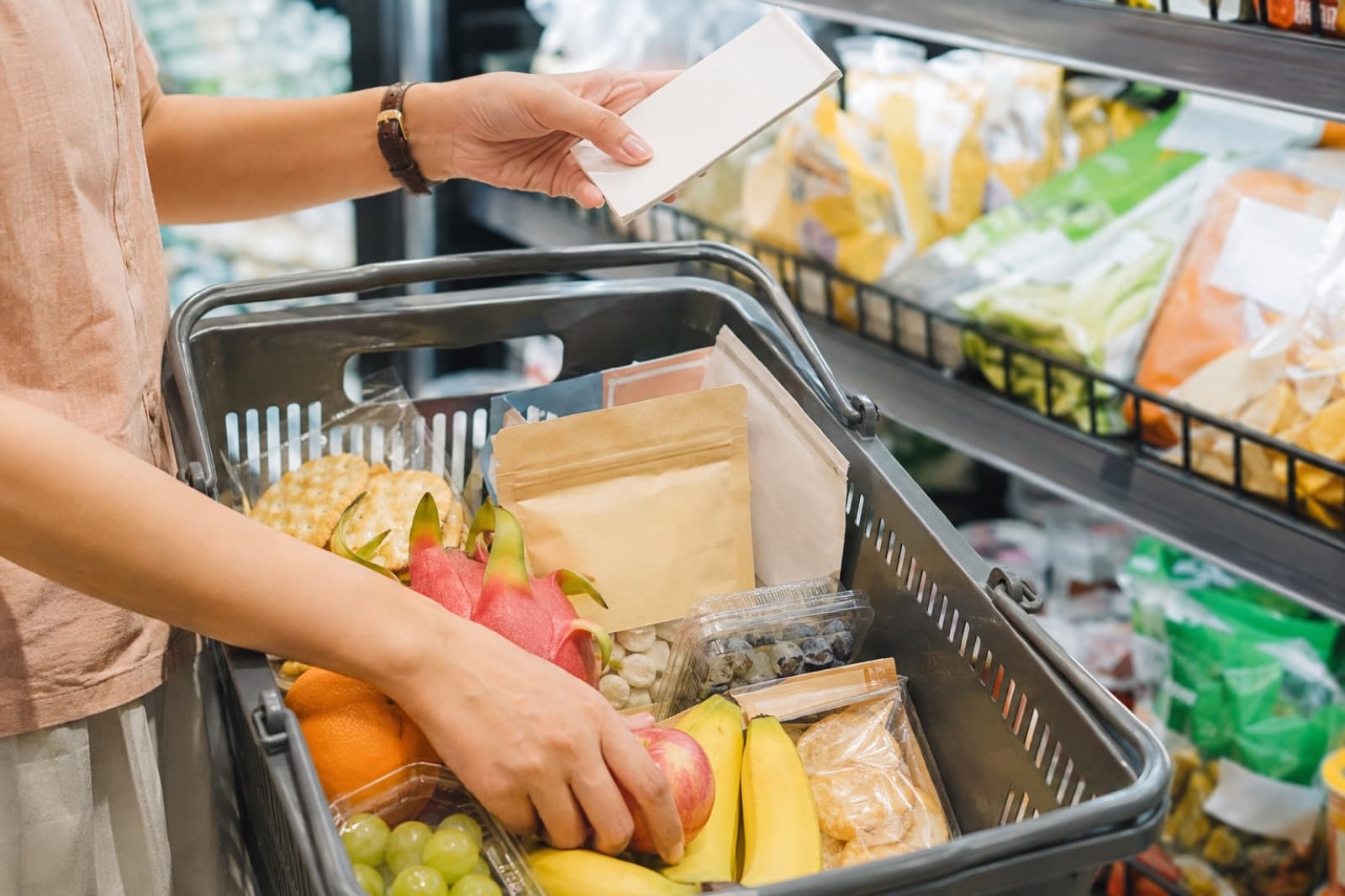
The Complete Peanut-Free Grocery Shopping Guide
Navigating the grocery store with a peanut allergy can feel overwhelming. You're not just grabbing items off the shelf; you're meticulously scrutinizing labels, contacting manufacturers, and constantly second-guessing your choices. This guide is here to help you confidently navigate the grocery aisles and create delicious, peanut-free meals for your family. We understand the challenges, and we're here to support you every step of the way.
Understanding Peanut Allergy Labeling
Food labeling laws are designed to help consumers make informed choices, but they aren't always straightforward. The Food Allergen Labeling and Consumer Protection Act (FALCPA) requires manufacturers to clearly state if a product contains any of the top nine allergens, including peanuts.
However, "may contain" statements are voluntary and indicate the potential for cross-contamination in the manufacturing facility. This means the product isn't intentionally made with peanuts, but there's a risk of peanuts being present due to shared equipment or facilities.
Tip: Always read the entire ingredient list and any "may contain" statements, even for products you've purchased before. Ingredients and manufacturing processes can change.
Here's a quick guide to deciphering common label terms:
| Label Term | Meaning | Action |
|---|---|---|
| Contains Peanuts | Peanuts are a direct ingredient in the product. | Avoid completely. |
| Manufactured in a facility that also processes peanuts | The product was made in a facility that also handles peanuts. | Use caution. Evaluate your comfort level with the risk of cross-contamination. Contact the manufacturer for more information. |
| May contain peanuts | The product may have come into contact with peanuts during manufacturing. | Use caution. Evaluate your comfort level with the risk of cross-contamination. Contact the manufacturer for more information. |
| Peanut-free | The product is made without peanuts and, ideally, in a peanut-free facility. | Still read the label! Verify that no "may contain" statements apply if you have a highly sensitive allergy. |
Warning: Don't rely solely on "peanut-free" claims without verifying the ingredient list and "may contain" statements.
Peanut-Free Pantry Staples: Building a Safe Base
Creating a peanut-free pantry starts with replacing common peanut-containing items with safe alternatives. Here are some essentials:
* Nut Butters: Sunflower seed butter (sunbutter), tahini (sesame seed paste), and soy nut butter are great substitutes for peanut butter.
* Oils: Use canola oil, olive oil, sunflower oil, or avocado oil for cooking and baking.
* Snacks: Opt for fruit, vegetables with hummus (check the label!), popcorn (air-popped is best), rice cakes, and safe granola bars.
* Sauces and Dressings: Be cautious with Asian sauces, as they often contain peanut oil. Look for peanut-free soy sauce, teriyaki sauce, and salad dressings.
* Baking Ingredients: Ensure your flour, sugar, baking powder, and other baking staples are peanut-free.
Remember to thoroughly clean your pantry shelves before stocking them with peanut-free items to avoid cross-contamination.
Navigating Specific Food Categories
Some food categories are trickier than others when it comes to peanut allergies. Here’s a breakdown:
* Candy and Chocolate: Many candies contain peanuts or are made in facilities that process peanuts. Always read labels carefully. For example, are Is M&Ms safe for peanut allergies? and Is Snickers safe for peanut allergies? for your child? Often the answer is no. What about Is Twix safe for peanut allergies?? You'll need to do your research.
* Asian Cuisine: Many Asian dishes use peanut oil or peanuts in sauces and marinades. Be extra cautious when ordering takeout or eating at Asian restaurants. Is Is Prima Taste Laksa safe for peanut allergies?? Probably not.
* Baked Goods: Baked goods from bakeries or grocery stores are often subject to cross-contamination. Consider baking your own to ensure they're peanut-free.
* Ice Cream: Ice cream parlors and pre-packaged ice cream can pose a risk. Always inquire about cross-contamination and read labels thoroughly.
Tip: When dining out, always inform the restaurant staff about your peanut allergy and ask about their food preparation practices.
Decoding the "May Contain" Statement: Risk Assessment
The "may contain" statement is often the most confusing aspect of peanut allergy management. It's a voluntary statement by manufacturers to indicate the potential for cross-contamination.
Deciding whether to consume a product with a "may contain" statement is a personal decision based on the severity of your allergy and your comfort level with risk. Some individuals with mild allergies may tolerate products with this statement, while those with severe allergies may avoid them altogether.
Consider these factors when assessing the risk:
* Severity of Allergy: How severe are your allergic reactions?
* Manufacturing Practices: Can you contact the manufacturer to learn more about their cross-contamination controls?
* Alternative Options: Are there other peanut-free options available?
If you're unsure, err on the side of caution and avoid the product. Consulting with your allergist can help you make informed decisions.
Essential Tools and Resources
Managing a peanut allergy requires more than just label reading. Here are some helpful tools and resources:
* Allergy Awareness Cards: Carry allergy awareness cards to present to restaurant staff and caregivers.
* Epinephrine Auto-Injector: Always carry your epinephrine auto-injector and know how to use it.
* Allergy-Friendly Apps: Use apps to scan product barcodes and check for allergens.
* Allergist: Consult with an allergist for personalized advice and management strategies.
* Safe Plated: Browse all Peanut-free recipes for easy meal planning, knowing that all ingredients have been vetted for safety.
Ready to Simplify Allergy-Safe Cooking?
Safe Plated plans your meals, checks every ingredient, and makes sure nothing slips through. Every recipe is AI-generated with smart substitutions and independently audited.
Allergy Disclaimer — Safe Plated Pte. Ltd.
This content is AI-generated by Safe Plated for informational purposes only. AI can make errors, omit critical information, or produce inaccurate statements. Always verify allergen safety with physical product labels, medical professionals, and authoritative sources. This is not medical advice.
Put this advice against the label in front of you
Paste the ingredient text and choose what you avoid. Safe Plated highlights the exact recognised terms for a transparent second pass—free, private, and without an account.
Get one practical idea each week
Allergy-aware planning tips and free tools. No inflated promises, no spam.
One practical tip each week. Unsubscribe anytime. See our privacy policy.