
Wheat-Free Holiday Recipes the Whole Family Can Enjoy
Delicious wheat-free holiday recipes everyone will love! Ditch the gluten, keep the flavor. Festive & family-friendly.
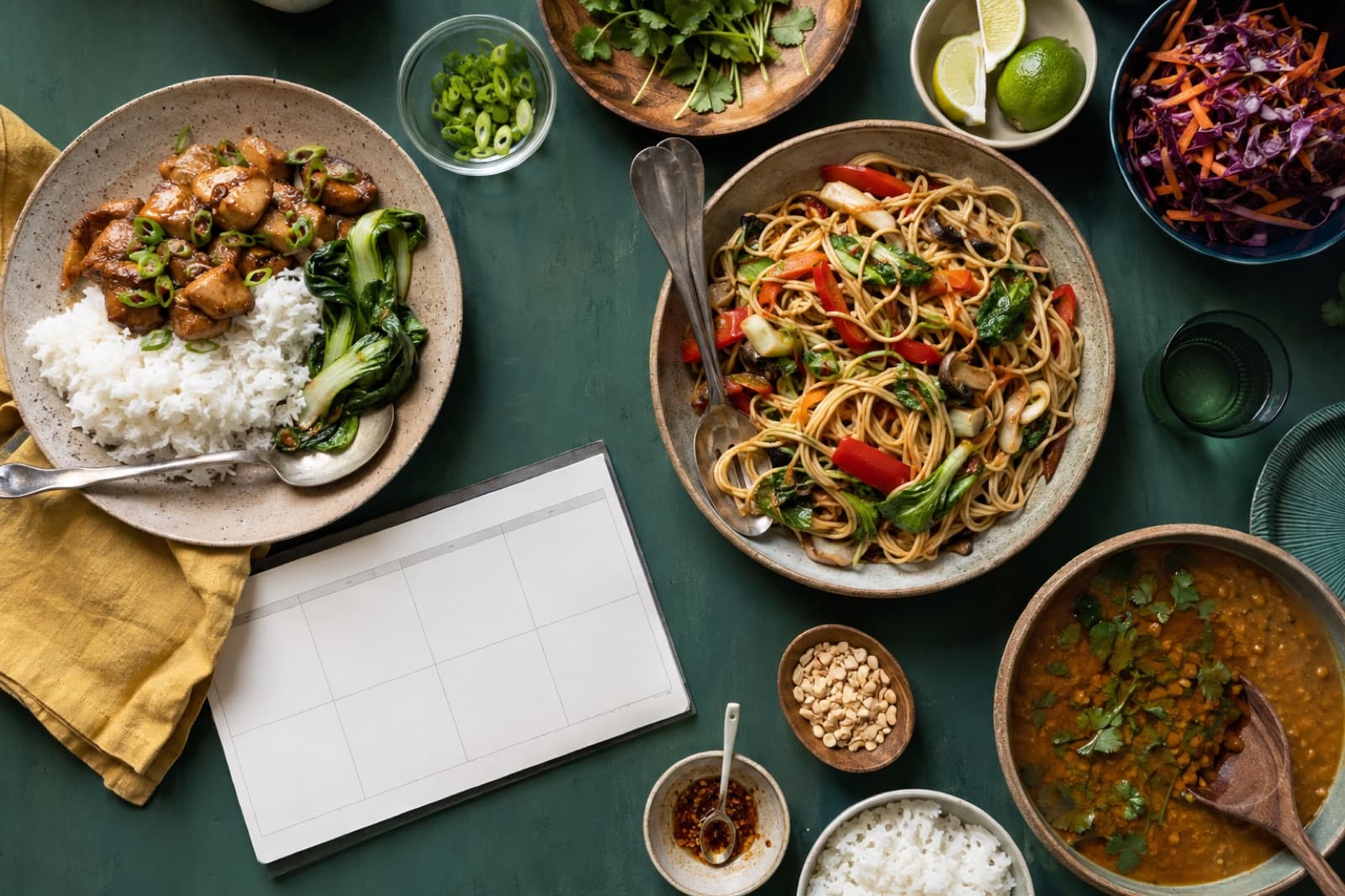
Wheat-Free Holiday Recipes the Whole Family Can Enjoy
The holidays are a time for joy, connection, and of course, delicious food! But for families managing wheat allergies, the season can also bring extra stress. Navigating potlucks, family gatherings, and festive treats can feel overwhelming. Don’t worry, you're not alone! This guide is here to help you create a wheat-free holiday feast that everyone can enjoy, safely and deliciously. Browse all Wheat-free recipes for more inspiration.
Planning Your Wheat-Free Holiday Menu
The key to a successful wheat-free holiday is planning. Start by identifying traditional dishes that contain wheat. This might include stuffing, gravy, certain pies, rolls, and appetizers. Once you know what needs to be adapted, you can begin exploring wheat-free alternatives.
Consider these steps:
- 1Take Inventory: Review your favorite holiday recipes and list all the ingredients.
- 2Identify Wheat: Highlight any ingredients that contain wheat, such as flour, breadcrumbs, semolina, and malt extract.
- 3Find Substitutes: Research wheat-free alternatives for each ingredient.
- 4Adapt Recipes: Modify your recipes using the substitutions.
- 5Test Run: Prepare the adapted recipes in advance to ensure they taste good and are safe for your family.
Tip: Don't be afraid to ask guests to bring a dish that is safe for your child to eat. Providing a list of approved ingredients can be helpful.
Delicious Wheat-Free Holiday Dishes
Here are a few ideas to get you started:
* Stuffing: Use gluten-free bread or cornbread as a base. Add your favorite vegetables, herbs, and spices for a flavorful and safe stuffing.
* Gravy: Thicken gravy with cornstarch, tapioca starch, or arrowroot powder instead of flour.
* Pies: Many pie crusts can be made with gluten-free flour blends. Try a pecan pie or a pumpkin pie with a gluten-free crust.
* Rolls: Gluten-free rolls are readily available in most grocery stores. Look for brands that are also free from other common allergens, if needed.
* Appetizers: Offer a variety of naturally wheat-free appetizers such as cheese and fruit platters, vegetable sticks with hummus, or shrimp cocktail.
Warning: Always double-check ingredient labels, even for products you've used before, as formulations can change.
Navigating Holiday Parties and Gatherings
Holiday parties can be tricky when managing food allergies. Communicate with the host in advance to discuss your dietary needs. Offer to bring a safe dish for your child to enjoy, and be prepared to read ingredient labels carefully.
Here's a checklist to help you navigate holiday gatherings:
| Task | Description |
|---|---|
| Contact the Host | Discuss your child's wheat allergy and offer to bring a safe dish. |
| Read Ingredient Labels | Carefully examine all food labels before allowing your child to eat anything. |
| Bring Safe Snacks | Pack safe snacks and treats for your child to enjoy. |
| Teach Your Child | Educate your child about their allergy and the importance of avoiding wheat-containing foods. |
| Watch for Cross-Contamination | Be mindful of cross-contamination and ensure that serving utensils are clean. |
| Have Emergency Medication Available | Always carry epinephrine auto-injectors and antihistamines in case of an allergic reaction. |
Many parents wonder about the safety of common snacks. For example, are Is Doritos safe for wheat allergies? or Is Lays Chips safe for wheat allergies?. Our product guides can help you quickly assess many such items.
Tip: Teach your child to politely decline food if they are unsure about the ingredients.
Wheat-Free Baking Substitutions
Baking wheat-free can seem daunting, but with the right substitutions, you can create delicious and safe treats. Here are some common wheat flour alternatives:
* Gluten-Free All-Purpose Flour Blend: These blends are designed to mimic the texture and performance of wheat flour.
* Almond Flour: Made from ground almonds, almond flour adds a nutty flavor and is a good source of protein.
* Rice Flour: Rice flour is a versatile option that can be used in a variety of recipes.
* Tapioca Starch: Tapioca starch helps to bind ingredients and create a chewy texture.
* Potato Starch: Potato starch is a good thickener and can be used in place of cornstarch.
When using gluten-free flour blends, it's often helpful to add a binder such as xanthan gum or guar gum to improve the texture of baked goods. Always refer to the specific recipe for the correct amount of binder. It's also wise to check if Is Cheerios safe for wheat allergies? as some may contain wheat starch.
Tip: Experiment with different gluten-free flour blends to find one that works best for your recipes.
Staying Safe: Cross-Contamination and Label Reading
Cross-contamination is a major concern when managing food allergies. Always use separate cutting boards, utensils, and cookware for wheat-free foods. Wash your hands thoroughly before preparing food, and be mindful of shared surfaces.
Label reading is crucial for identifying hidden sources of wheat. Look for ingredients such as:
* Wheat flour
* Wheat starch
* Hydrolyzed wheat protein
* Modified wheat starch
* Malt extract
* Semolina
* Spelt
* Kamut
If you see any of these ingredients on a label, the product is not safe for someone with a wheat allergy. Be aware that "natural flavor" can sometimes contain wheat. Check out the product safety guides for popular snacks. For example, Is KitKat safe for wheat allergies? or Is Oreos safe for wheat allergies?. You might also be wondering about Is Pop-Tarts safe for wheat allergies? or Is Goldfish Crackers safe for wheat allergies?.
Warning: When in doubt, contact the manufacturer to confirm the ingredients and allergen information.
Ready to Simplify Allergy-Safe Cooking?
Safe Plated plans your meals, checks every ingredient, and makes sure nothing slips through. Every recipe is AI-generated with smart substitutions and independently audited.
Allergy Disclaimer — Safe Plated Pte. Ltd.
This content is AI-generated by Safe Plated for informational purposes only. AI can make errors, omit critical information, or produce inaccurate statements. Always verify allergen safety with physical product labels, medical professionals, and authoritative sources. This is not medical advice.
Put this advice against the label in front of you
Paste the ingredient text and choose what you avoid. Safe Plated highlights the exact recognised terms for a transparent second pass—free, private, and without an account.
Get one practical idea each week
Allergy-aware planning tips and free tools. No inflated promises, no spam.
One practical tip each week. Unsubscribe anytime. See our privacy policy.