Understanding Wheat Allergy Labels: May Contain, Free From, and More
Confused by wheat allergy labels? Decode "May Contain," "Free From," & more! Understand risks & shop safely with wheat allergy.
Understanding Wheat Allergy Labels: May Contain, Free From, and More
Navigating the grocery store with a wheat allergy can feel like deciphering a secret code. Understanding the nuances of food labeling is critical for keeping your loved ones safe. This guide will help you interpret common wheat allergy labels, empowering you to make informed decisions.
Tip: Always double-check labels, even for products you've purchased before. Ingredients and manufacturing processes can change.
Decoding Common Wheat Allergy Label Statements
Food labels can be confusing, especially when it comes to allergen information. Here's a breakdown of common phrases and what they mean for someone with a wheat allergy:
* "Contains Wheat": This is the most straightforward label. It indicates that wheat is a direct ingredient in the product. Avoid these products!
* "Wheat-Free": This label generally means the product does not contain wheat as an ingredient. However, it doesn't always guarantee it's safe for those with severe allergies due to potential cross-contamination.
* "Gluten-Free": While wheat contains gluten, "gluten-free" doesn't automatically mean "wheat-free." Some gluten-free products may use wheat starch that has been processed to remove gluten. Always check the ingredient list for wheat.
* "Made in a Facility That Also Processes Wheat": This is a common "may contain" statement. It means that while the product itself doesn't contain wheat as an ingredient, it was manufactured in a facility where wheat is present. The risk of cross-contamination exists.
* "May Contain Wheat": Similar to the previous statement, this indicates a risk of cross-contamination. The manufacturer isn't confident that the product is entirely free from wheat particles.
* "Manufactured on Shared Equipment with Wheat": This label also signals a risk of cross-contamination, specifically highlighting that the equipment used to make the product also processes wheat.
Warning: "May contain" statements are voluntary and inconsistent. A product without a "may contain" statement isn't necessarily safer than one with it. Always scrutinize the ingredient list.
Ingredient List Deep Dive: What to Watch For
The ingredient list is your best friend when managing wheat allergies. Here are some common wheat-containing ingredients to be aware of:
* Wheat flour (all-purpose, bread, cake, etc.)
* Wheat starch
* Wheat bran
* Wheat germ
* Hydrolyzed wheat protein
* Modified wheat starch
* Durum
* Semolina
* Spelt
* Kamut
* Farro
* Couscous
* Bulgur
* Rye
* Barley
* Triticale
* Malt (often derived from barley, but can contain wheat)
Tip: Be cautious of "natural flavorings" as they can sometimes contain hidden wheat. Contact the manufacturer if you are unsure.
It's also crucial to remember that seemingly safe foods can sometimes contain wheat-based ingredients used as thickeners, stabilizers, or coatings. For example, are Is Oreos safe for wheat allergies? or Is Doritos safe for wheat allergies? safe? Always check the label!
Navigating "Free From" Claims: What They Really Mean
The term "free from" can be reassuring, but it's essential to understand what it means in practice. While regulations exist, they aren't always strictly enforced.
* "Wheat-Free": Products labeled "wheat-free" should not contain wheat as an ingredient. However, the level of acceptable cross-contamination can vary. Contacting the manufacturer for clarification is always a good idea.
* "Certified Gluten-Free": This label indicates the product meets specific gluten thresholds (typically less than 20 parts per million). While it doesn't guarantee the product is wheat-free, it significantly reduces the risk for most individuals with wheat allergies. However, it is still vital to check the ingredient list. Are Is Cheerios safe for wheat allergies? when labelled gluten-free?
* "Made in a Dedicated Wheat-Free Facility": This is the most reassuring claim, as it suggests the product was manufactured in a facility that doesn't process wheat at all, minimizing the risk of cross-contamination.
Warning: Never rely solely on "free from" claims. Always read the ingredient list carefully.
Creating Your Wheat Allergy Shopping Checklist
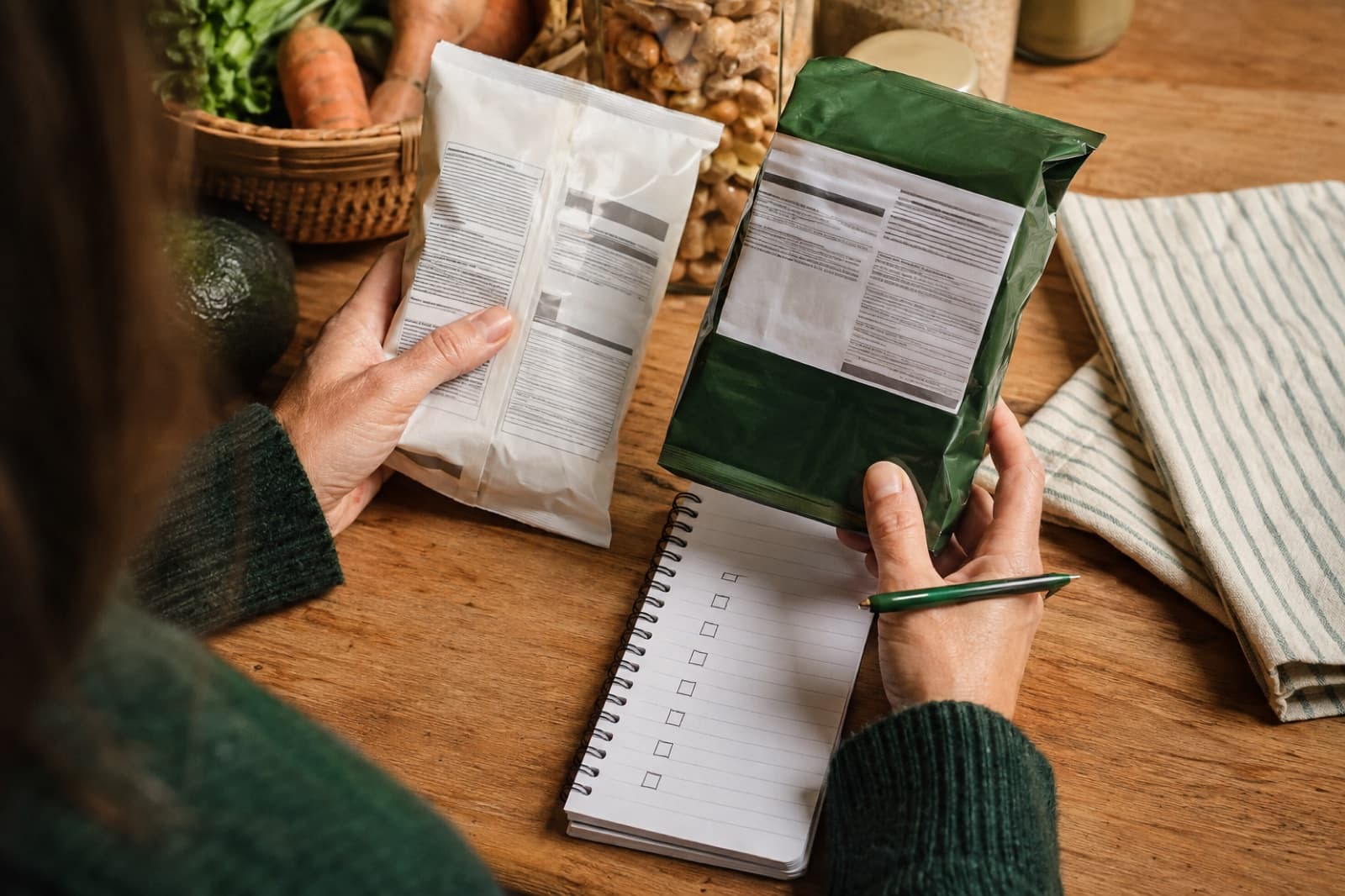
To make your grocery shopping trips more efficient and less stressful, consider creating a checklist to guide you. Here's a sample checklist:
| Step | Action |
|---|---|
| 1. Product Selection | Choose products known to be safe or those that appear promising based on initial observation. |
| 2. Ingredient List Review | Scrutinize the ingredient list for any wheat-containing ingredients (see list above). |
| 3. "May Contain" Statement Check | Note any "may contain" statements related to wheat or gluten. Consider the severity of the allergy when making a decision. |
| 4. "Free From" Claim Evaluation | Assess the validity of any "free from" claims (wheat-free, gluten-free, etc.). |
| 5. Manufacturer Contact (If Needed) | If unsure about an ingredient or manufacturing process, contact the manufacturer for clarification. |
| 6. Safe Plated Recipe Check | If you are unsure of a recipe, check Browse all Wheat-free recipes on Safe Plated. |
Don't forget that unexpected products can be a source of wheat! Did you know that Is KitKat safe for wheat allergies? or Is Pop-Tarts safe for wheat allergies?? Checking every label is vital for keeping your family safe.
Beyond the Label: Minimizing Cross-Contamination at Home
Even with careful label reading, cross-contamination can occur at home. Here are some tips to minimize the risk:
* Dedicated Utensils and Cookware: Use separate cutting boards, knives, toasters, and other kitchen tools for wheat-free foods.
* Thorough Cleaning: Wash all surfaces, utensils, and cookware thoroughly with soap and water after preparing foods containing wheat.
* Separate Storage: Store wheat-free foods separately from wheat-containing foods to prevent cross-contamination.
* Top Shelf Storage: Store wheat-free foods on higher shelves in the pantry and refrigerator to avoid accidental spills from wheat-containing products.
* Handwashing: Wash hands thoroughly with soap and water before and after preparing food.
* Consider Safe Alternatives: Explore wheat-free alternatives for common staples. What about Is Goldfish Crackers safe for wheat allergies? or Is Ritz Crackers safe for wheat allergies?? There are often wheat-free options available. Even something simple like Is Lays Chips safe for wheat allergies? needs a careful check.
Ready to Simplify Allergy-Safe Cooking?
Safe Plated plans your meals, checks every ingredient, and makes sure nothing slips through. Every recipe is AI-generated with smart substitutions and independently audited.
Allergy Disclaimer — Safe Plated Pte. Ltd.
This content is AI-generated by Safe Plated for informational purposes only. AI can make errors, omit critical information, or produce inaccurate statements. Always verify allergen safety with physical product labels, medical professionals, and authoritative sources. This is not medical advice.
Put this advice against the label in front of you
Paste the ingredient text and choose what you avoid. Safe Plated highlights the exact recognised terms for a transparent second pass—free, private, and without an account.
Get one practical idea each week
Allergy-aware planning tips and free tools. No inflated promises, no spam.
One practical tip each week. Unsubscribe anytime. See our privacy policy.