
Understanding Tree Nut Allergy Labels: May Contain, Free From, and More
Decoding tree nut allergy labels: "May Contain," "Free From," & more. Stay safe! Understand almond, walnut, cashew & other nut allergens.
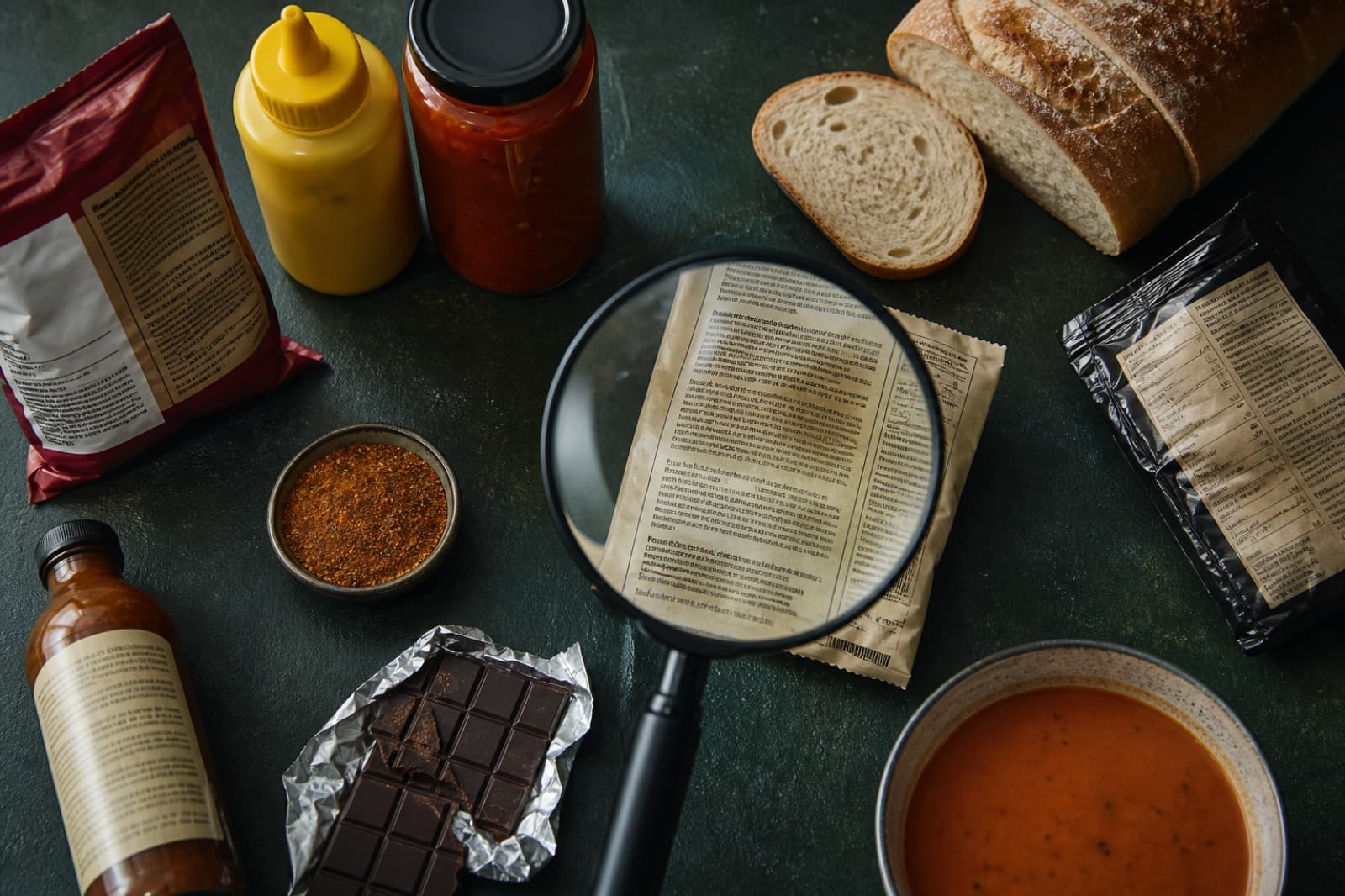
Understanding Tree Nut Allergy Labels: May Contain, Free From, and More
Navigating the grocery store with a tree nut allergy can feel like decoding a secret language. "May contain," "manufactured in a facility," "tree nut-free" – the labels can be confusing and overwhelming. But don't worry, you're not alone! This guide will help you understand tree nut allergy labels and make safer choices for your family. We'll break down common phrases, explain what they mean, and give you practical tips for reading labels like a pro.
Decoding Common Label Phrases
Understanding the specific wording on food labels is crucial for managing tree nut allergies. Here’s a breakdown of common phrases and what they typically indicate:
"Contains Tree Nuts": This is straightforward and means the product definitely* contains one or more tree nuts as an ingredient. Avoid these products.
* "May Contain Tree Nuts" or "Manufactured in a Facility That Also Processes Tree Nuts": These are precautionary labels. They mean there's a risk of cross-contamination during the manufacturing process. The manufacturer is acknowledging that tree nuts are present in the facility, and trace amounts could potentially end up in the product. Many families choose to avoid products with these labels, but it's a personal decision based on the severity of the allergy.
"Tree Nut-Free": This is the gold standard! It usually indicates that the manufacturer has taken steps to prevent cross-contamination and that the product has been tested to ensure it doesn't contain tree nuts. However, it's always* important to double-check the ingredient list, even with this label.
* "Made on Shared Equipment": Similar to "may contain," this phrase indicates a risk of cross-contamination because the product was made on equipment that is also used to process tree nuts.
* "Processed in a Facility That Also Processes Tree Nuts": Again, this is a warning about possible cross-contamination.
Tip: Don't hesitate to contact the manufacturer directly if you have questions about a product's allergen status. Many companies are happy to provide more information about their manufacturing processes.
Reading Ingredient Lists: The First Line of Defense
Even with clear labeling practices, carefully scrutinizing ingredient lists is paramount. Tree nuts can sometimes be hidden under less obvious names or used as minor ingredients.
* Know Your Nuts: Be familiar with the names of common tree nuts: almonds, Brazil nuts, cashews, chestnuts, hazelnuts, macadamia nuts, pecans, pistachios, and walnuts.
* Be Aware of "Natural Flavors": While not always the case, "natural flavors" can sometimes include nut extracts. If you are unsure, contact the manufacturer.
* Watch Out for "Nut Butters" and "Nut Oils": These are obvious, but double-check ingredient lists to ensure they are free of tree nuts.
* Read Every Time: Ingredients can change, so always read the label every time you purchase a product, even if you've bought it before.
Warning: Don't assume that a product is safe just because it doesn't list tree nuts in the main ingredient list. Check for hidden sources and precautionary statements.
Navigating Specific Products and Brands
Some product categories are notorious for containing hidden tree nuts or posing a high risk of cross-contamination. Here are some examples and resources to help you navigate them safely:
* Chocolate: Many chocolate products, especially those with nuts or caramel, often contain tree nuts. Even seemingly "safe" chocolates can be produced on shared equipment. Always read labels carefully. Is Hersheys Chocolate safe for tree-nut allergies? Find out before you buy. Also, be sure to check Is M&Ms safe for tree-nut allergies? and Is Cadbury Dairy Milk safe for tree-nut allergies? for the most up-to-date information.
* Granola: Granola often contains nuts, so it's crucial to check the ingredient list carefully. Some brands offer tree nut-free options, but cross-contamination is a concern. Is Granola safe for tree-nut allergies? The answer may surprise you!
* Nutella: This hazelnut spread is obviously off-limits for those with tree nut allergies. Is Nutella safe for tree-nut allergies? The answer is a resounding no.
* Baked Goods: Cakes, cookies, and other baked goods are often made with nuts or nut flours. Always ask about ingredients when purchasing from bakeries or restaurants.
Creating a Safe Kitchen Environment
Beyond reading labels, creating a safe kitchen environment is essential for preventing accidental exposure to tree nuts.
* Designate Nut-Free Zones: If possible, create a separate area in your kitchen for preparing and storing tree nut-free foods.
* Use Separate Utensils and Cutting Boards: Dedicate specific utensils, cutting boards, and cookware to tree nut-free cooking.
* Clean Thoroughly: Wash all surfaces, utensils, and cookware thoroughly with soap and water after preparing foods that contain tree nuts.
* Avoid Cross-Contamination: Be careful when using shared appliances like toasters or blenders. Clean them thoroughly between uses, or consider having separate appliances for nut-free cooking.
* Educate Family Members: Make sure everyone in your household understands the importance of preventing cross-contamination and knows how to prepare food safely for someone with a tree nut allergy.
Here's a quick checklist for ensuring a safe kitchen environment:
| Item | Action |
|---|---|
| Utensils | Designate separate sets for nut-free cooking. |
| Cutting Boards | Use separate boards, clearly labeled. |
| Cookware | Dedicate specific pots, pans, and baking sheets. |
| Cleaning Supplies | Use separate sponges and dishcloths. |
| Storage Containers | Label containers clearly to avoid confusion. |
| Shared Appliances | Clean thoroughly after each use, or consider separate appliances. |
| Hand Washing | Wash hands thoroughly with soap and water before and after handling food. |
Finding Tree Nut-Free Recipes and Resources
Managing a tree nut allergy doesn't mean sacrificing delicious meals. There are many resources available to help you find tree nut-free recipes and meal ideas.
* Safe Plated: Our app offers a wide variety of tree nut-free recipes that are both delicious and safe for your family. Browse all Tree Nut-free recipes
* Allergy-Friendly Cookbooks: Look for cookbooks specifically designed for people with food allergies.
* Online Allergy Communities: Connect with other parents and individuals who manage tree nut allergies. Share recipes, tips, and support.
* Registered Dietitians: Consult with a registered dietitian specializing in food allergies. They can help you create a balanced and nutritious meal plan that meets your specific needs.
Ready to Simplify Allergy-Safe Cooking?
Safe Plated plans your meals, checks every ingredient, and makes sure nothing slips through. Every recipe is AI-generated with smart substitutions and independently audited.
Allergy Disclaimer — Safe Plated Pte. Ltd.
This content is AI-generated by Safe Plated for informational purposes only. AI can make errors, omit critical information, or produce inaccurate statements. Always verify allergen safety with physical product labels, medical professionals, and authoritative sources. This is not medical advice.
Put this advice against the label in front of you
Paste the ingredient text and choose what you avoid. Safe Plated highlights the exact recognised terms for a transparent second pass—free, private, and without an account.
Get one practical idea each week
Allergy-aware planning tips and free tools. No inflated promises, no spam.
One practical tip each week. Unsubscribe anytime. See our privacy policy.