
Understanding Soy Allergy Labels: May Contain, Free From, and More
Confused by soy allergy labels? Decode "may contain," "free from," & more! Understand soy allergen labeling for safe food choices.
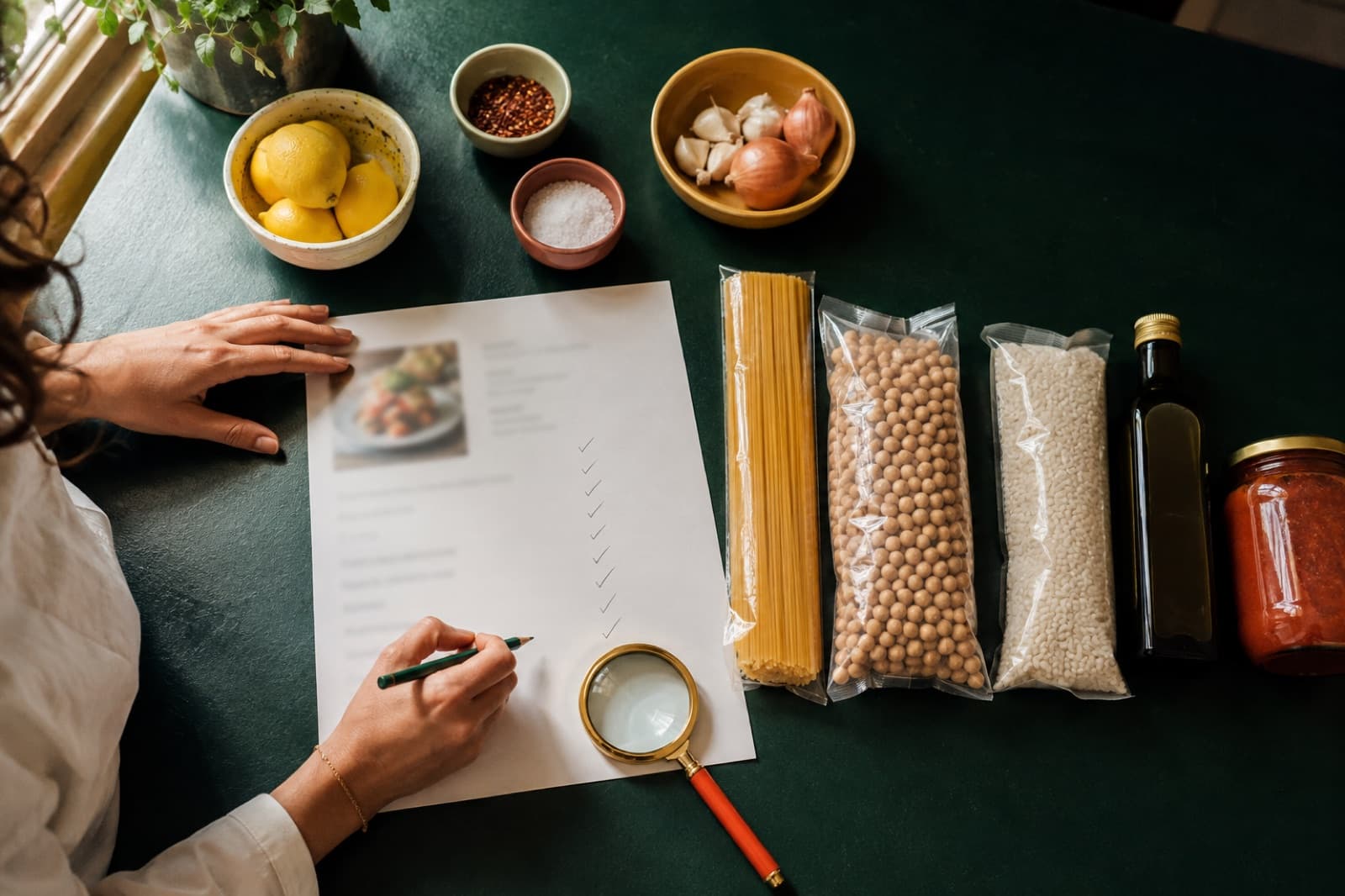
Decoding Soy Allergy Labels: A Guide for Parents
Navigating the world of food allergies can feel overwhelming, especially when it comes to deciphering confusing food labels. If your child has a soy allergy, understanding the nuances of labeling becomes even more critical. This guide will help you confidently interpret labels, ensuring your family enjoys safe and delicious meals. It's important to remember that labeling practices vary, and vigilance is key.
Understanding Common Soy-Related Ingredients
Soy is a sneaky ingredient, hiding under many different names. It's crucial to recognize these aliases to avoid accidental exposure. Here are some common soy-derived ingredients to watch out for:
* Soy lecithin: An emulsifier found in many processed foods.
* Soy protein isolate/concentrate: Used to increase protein content.
* Soybean oil: While often refined enough to remove allergenic proteins, it can still be a concern for highly sensitive individuals.
* Edamame: Whole soybeans, often eaten steamed or boiled.
* Miso: A fermented soybean paste used in Japanese cuisine.
* Tempeh: A fermented soybean cake.
* Tofu: Soybean curd.
* Hydrolyzed vegetable protein (HVP): May contain soy; always inquire with the manufacturer.
Mono- and diglycerides: Emulsifiers that may* be derived from soy.
* Vegetable oil: Unless specifically stated, the source is often soy or a blend.
Tip: Always read the entire ingredient list, even if you've purchased the product before. Manufacturers can change their ingredients without warning.
Many common foods unexpectedly contain soy. For example, are Oreos safe for soy allergies? The answer may surprise you! Similarly, Is Nutella safe for soy allergies? Finding safe alternatives can be tricky.
"May Contain" Statements and Allergen Advisory Labeling
"May contain" statements (also called "produced in a facility that also processes soy," "made on shared equipment," or similar wording) are voluntary warnings from manufacturers. They indicate that while the product itself doesn't contain soy as an ingredient, there's a risk of cross-contamination during production.
Deciding whether to consume a product with a "may contain" statement is a personal decision. Factors to consider include the severity of your child's allergy and your comfort level with risk.
Here's a simple checklist to help you decide:
| Factor | High Risk | Low Risk |
|---|---|---|
| Allergy Severity | Anaphylactic reaction to trace amounts | Mild reaction to significant amounts |
| Manufacturer Reputation | Unknown or history of recalls | Trusted brand with transparent practices |
| "May Contain" Specificity | Vague ("May contain allergens") | Specific ("May contain soy") |
| Availability of Safe Alternatives | Limited | Abundant |
If most factors lean towards "High Risk," it's best to avoid the product. If they lean towards "Low Risk," you may feel comfortable trying it, but always proceed with caution and have an epinephrine auto-injector readily available.
Warning: Never assume a product is safe just because it doesn't have a "may contain" statement. Always read the ingredient list carefully. Cross-contamination can still occur even without a warning label.
"Soy-Free" and "Free From" Claims
Products labeled "soy-free" or "free from soy" should, in theory, be safe for individuals with soy allergies. However, regulations surrounding these claims vary by country and even within a country. In the US, the FDA regulates allergen labeling, but there isn't a specific legal definition for "soy-free."
Therefore, it's still crucial to scrutinize the ingredient list, even on products marketed as "soy-free." Look for hidden sources of soy and be aware of the potential for cross-contamination, even if the label suggests otherwise.
Many families wonder about the safety of common snacks. For example, Are M&Ms safe for soy allergies? or Is Goldfish Crackers safe for soy allergies? The answers can be complex and depend on specific varieties and manufacturing practices.
Contacting Manufacturers for Clarification
When in doubt, contact the manufacturer directly. Most companies have customer service departments that can provide detailed information about their ingredients, manufacturing processes, and allergen controls.
Prepare specific questions, such as:
* Does this product contain soy or any soy derivatives?
* Is this product manufactured on equipment that also processes soy?
* What measures are in place to prevent cross-contamination?
* Can you provide a complete list of ingredients, including those used in processing aids?
Keep a record of your conversations, including the date, time, and the name of the representative you spoke with. This information can be helpful if you encounter any issues later.
Tip: Emailing the manufacturer can be beneficial, as you'll have a written record of their response.
Finding Soy-Free Alternatives
Fortunately, there are many delicious and safe soy-free alternatives available. Exploring different brands and products can open up a whole new world of culinary possibilities. Don't be discouraged if your usual go-to isn't safe. There's usually a substitute!
For example, if you're looking for a soy-free snack, consider Are Doritos safe for soy allergies? or Is Pop-Tarts safe for soy allergies? You might be surprised by the options available. Remember to Browse all Soy-free recipes for inspiration!
Ready to Simplify Allergy-Safe Cooking?
Safe Plated plans your meals, checks every ingredient, and makes sure nothing slips through. Every recipe is AI-generated with smart substitutions and independently audited.
Allergy Disclaimer — Safe Plated Pte. Ltd.
This content is AI-generated by Safe Plated for informational purposes only. AI can make errors, omit critical information, or produce inaccurate statements. Always verify allergen safety with physical product labels, medical professionals, and authoritative sources. This is not medical advice.
Put this advice against the label in front of you
Paste the ingredient text and choose what you avoid. Safe Plated highlights the exact recognised terms for a transparent second pass—free, private, and without an account.
Get one practical idea each week
Allergy-aware planning tips and free tools. No inflated promises, no spam.
One practical tip each week. Unsubscribe anytime. See our privacy policy.