
Understanding Dairy Allergy Labels: May Contain, Free From, and More
Confused by dairy allergy labels? Decode "may contain" & "free from" on food packaging. Learn to protect yourself from milk allergens!
Understanding Dairy Allergy Labels: May Contain, Free From, and More
Navigating the grocery store with a dairy allergy can feel like decoding a secret language. Deciphering food labels is crucial for keeping your loved ones safe. Let's break down common dairy allergy label terms and what they really mean.
Decoding Common Dairy Allergy Label Terms
Understanding the language on food labels is the first line of defense against accidental dairy exposure. It's more than just looking for the word "dairy."
* Contains: This is the most straightforward. If "dairy" or any dairy derivative (milk, cheese, whey, casein, etc.) is listed under the "Contains" statement, avoid the product.
* May Contain/Manufactured in a Facility That Also Processes: This is where things get tricky. "May contain" indicates a risk of cross-contamination. The product itself doesn't contain dairy as an ingredient, but it was produced in a facility that also handles dairy.
Tip: "May contain" statements are voluntary. Some companies use them liberally, while others might not disclose potential cross-contamination risks.
* Dairy-Free: This label generally means that the product doesn't contain dairy ingredients. However, regulations surrounding this term can vary. Always check the ingredient list to be sure.
* Lactose-Free: Lactose is a sugar found in dairy. Lactose-free products may still contain milk proteins like casein or whey, which can trigger allergic reactions. This is not suitable for individuals with a dairy allergy.
* Vegan: Vegan products do not contain any animal products, including dairy. This is usually a safe choice, but always double-check the ingredient list to ensure no cross-contamination issues are present.
* Casein-Free/Whey-Free: These labels indicate the absence of specific milk proteins. However, other dairy components might still be present.
Warning: Always read the entire ingredient list, even if a product claims to be "dairy-free." Hidden dairy ingredients can appear under unfamiliar names.
Hidden Dairy Ingredients: What to Watch Out For
Dairy can hide in unexpected places. Knowing these hidden sources can help you make informed choices.
Common culprits include:
* Whey: A protein found in milk, often used in processed foods.
* Casein/Caseinates: Another milk protein, used as a binder or stabilizer.
* Lactose: Milk sugar, often found in medications and processed foods.
* Butter/Butterfat: Obvious, but sometimes hidden in flavorings.
* Milk Solids/Dry Milk Powder: Used to add texture and flavor.
* Rennet: An enzyme used in cheese making (though vegetarian rennet exists).
* Ghee: Clarified butter, commonly used in Indian cuisine.
Tip: When in doubt, contact the manufacturer. They can provide more information about their manufacturing processes and potential cross-contamination risks.
Did you know that some popular snacks have hidden dairy ingredients or cross-contamination risks? It's always wise to do your research, for instance, Is Oreos safe for dairy allergies? or Is Goldfish Crackers safe for dairy allergies?
Creating a Dairy-Free Shopping Checklist
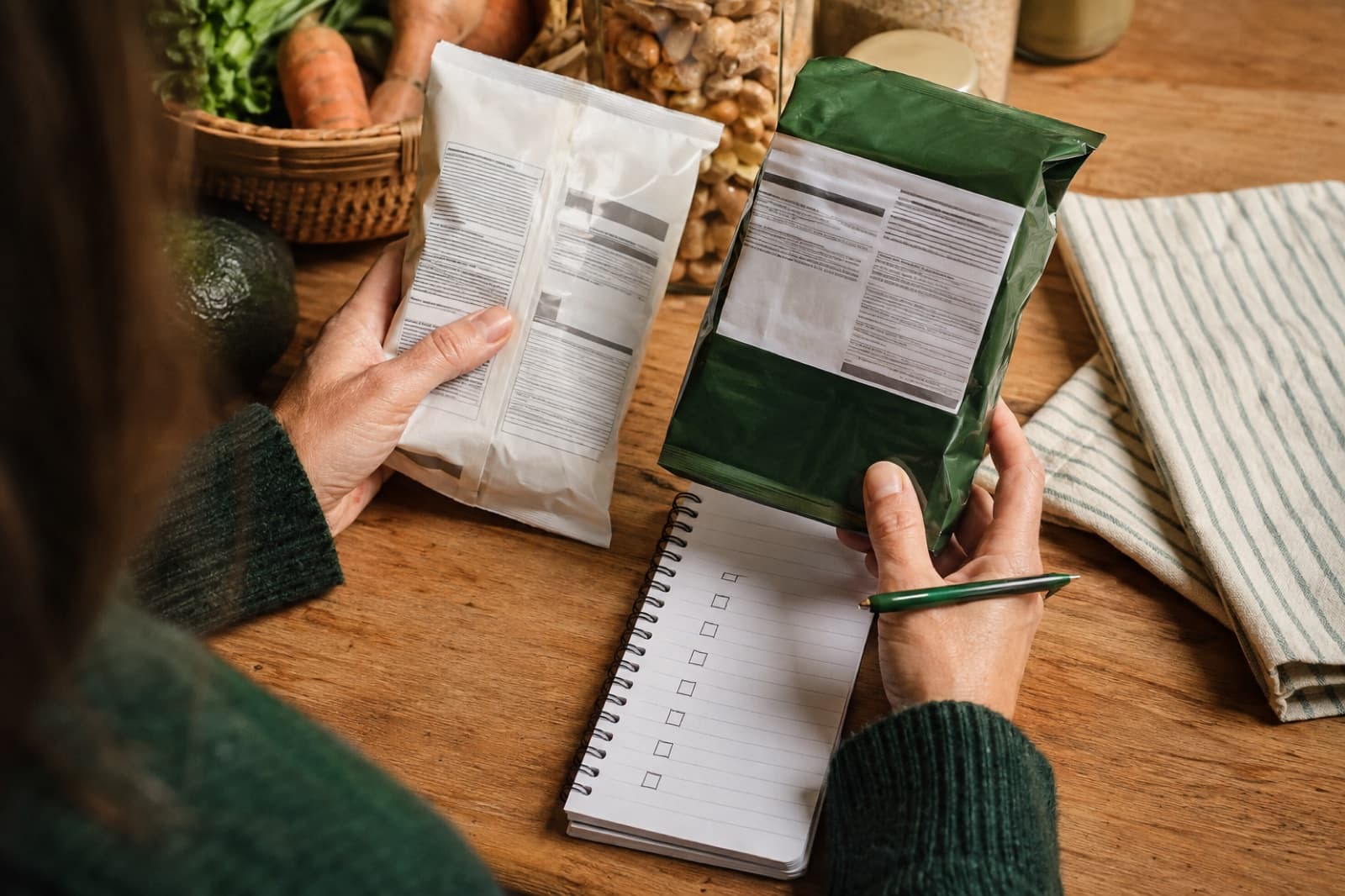
To make grocery shopping easier, create a checklist of key things to consider:
| Item | Check |
|---|---|
| Ingredient List | Read every ingredient, every time. Look for hidden dairy ingredients like whey, casein, and lactose. |
| "Contains" Statement | Check for "Contains: Milk" or any dairy derivatives. |
| "May Contain" Statement | Evaluate your comfort level with cross-contamination risks. If your allergy is severe, avoid products with "may contain" statements. |
| Certifications | Look for certifications like "Dairy-Free" or "Vegan" from reputable organizations. While not foolproof, they can offer an extra layer of assurance. |
| Brand Reputation | Research brands that are known for their allergy-friendly practices. Some companies are more transparent about their manufacturing processes. |
| Product Research | Before trying a new product, search online for reviews or allergy information. Other parents with dairy-allergic children may have valuable insights. |
| Contact Manufacturer | When unsure, contact the manufacturer directly to inquire about ingredients, manufacturing processes, and cross-contamination risks. |
Tip: Keep a running list of safe products that you trust. This will save time and reduce stress during future shopping trips.
We know how hard it is to find safe foods! That's why we created Browse all Dairy-free recipes.
Common Foods Where Dairy Lurks
Dairy can be found in unexpected places. Here are a few examples:
* Processed Meats: Some deli meats and sausages contain milk proteins as binders.
* Breads and Baked Goods: Many breads, cakes, cookies, and pastries contain milk or butter.
* Snack Foods: Crackers, chips, and other snack foods may contain hidden dairy ingredients. For example, you might need to explore Is Pringles safe for dairy allergies? before purchasing.
* Sauces and Dressings: Creamy sauces, salad dressings, and dips often contain dairy.
* Medications: Some medications and supplements contain lactose as a filler.
* Chocolate: Many chocolate products contain milk solids. Even dark chocolate can sometimes be cross-contaminated. Always check before enjoying Is M&Ms safe for dairy allergies?.
* Candy: Is Snickers safe for dairy allergies? - these kinds of questions are critical to ask! Many candies contain milk or milk derivatives.
* Breakfast cereals: Always check your cereal options, even seemingly simple ones like Is Cheerios safe for dairy allergies?.
Warning: Always inform restaurant staff about your dairy allergy when dining out. Cross-contamination is a significant risk in commercial kitchens.
Beyond the Label: Contacting Manufacturers
Sometimes, the information on a label isn't enough. Don't hesitate to contact the manufacturer directly.
Here are some questions to ask:
* Does the product contain any dairy ingredients?
* Is the product manufactured on a shared line with dairy products?
* What cleaning procedures are in place to prevent cross-contamination?
* Can you provide a full ingredient list, including any hidden dairy derivatives?
Tip: Keep a record of your communication with manufacturers. This can be helpful for future reference.
It can be hard to keep all of this straight, especially when you just want to give your kids normal treats like Is KitKat safe for dairy allergies?.
Ready to Simplify Allergy-Safe Cooking?
Safe Plated plans your meals, checks every ingredient, and makes sure nothing slips through. Every recipe is AI-generated with smart substitutions and independently audited.
Allergy Disclaimer — Safe Plated Pte. Ltd.
This content is AI-generated by Safe Plated for informational purposes only. AI can make errors, omit critical information, or produce inaccurate statements. Always verify allergen safety with physical product labels, medical professionals, and authoritative sources. This is not medical advice.
Put this advice against the label in front of you
Paste the ingredient text and choose what you avoid. Safe Plated highlights the exact recognised terms for a transparent second pass—free, private, and without an account.
Get one practical idea each week
Allergy-aware planning tips and free tools. No inflated promises, no spam.
One practical tip each week. Unsubscribe anytime. See our privacy policy.