
The Complete Wheat-Free Grocery Shopping Guide
Wheat-free grocery shopping made easy! Navigate aisles confidently with our guide. Avoid wheat & gluten (allergen) like a pro!
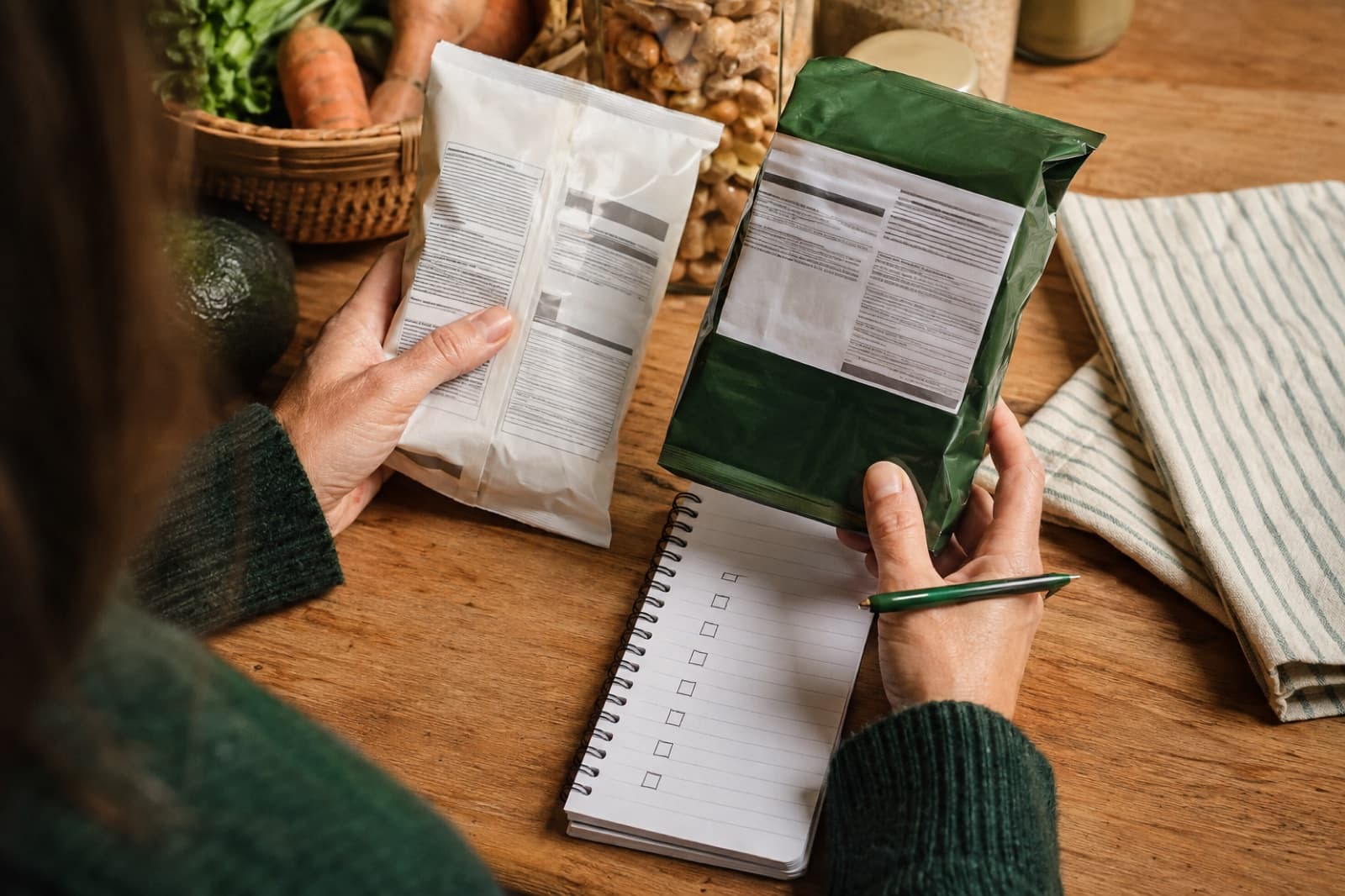
The Complete Wheat-Free Grocery Shopping Guide
Navigating the grocery store with a wheat allergy in the family can feel overwhelming. It's a constant process of label reading, cross-contamination awareness, and ingredient detective work. But don't worry, you're not alone! This guide is designed to arm you with the knowledge and tools you need to confidently shop for wheat-free groceries and create delicious, safe meals for your family.
Understanding Wheat and Its Hidden Forms
Wheat is a common ingredient, and it can hide in unexpected places. It's crucial to understand the different forms wheat can take on a food label. Being aware of these hidden sources is the first step in successful wheat-free grocery shopping.
Common wheat-derived ingredients include:
* Wheat flour (all-purpose, bread, cake, pastry)
* Wheat starch
* Hydrolyzed wheat protein
* Modified wheat starch
* Semolina
* Spelt
* Kamut
* Durum
* Farro
* Triticale
Tip: Always read the entire ingredient list, even if you've purchased the product before, as formulations can change.
Decoding Food Labels: A Step-by-Step Approach
Food labels are your best friend when managing a wheat allergy. However, they can also be confusing. Here's a step-by-step approach to help you decipher them:
- 1Start with the Allergen Statement: Look for a "Contains: Wheat" statement. This is often found near the ingredient list. If it's there, put the product back on the shelf.
- 1Read the Ingredient List Carefully: Scrutinize every ingredient. Look for any of the wheat-derived ingredients mentioned above.
- 1Watch Out for "May Contain": "May contain wheat" or "Manufactured in a facility that also processes wheat" statements indicate a risk of cross-contamination. Assess your family's sensitivity level and make a judgment call. Some families avoid these products altogether, while others are comfortable with them.
- 1When in Doubt, Contact the Manufacturer: If you're unsure about an ingredient, don't hesitate to contact the manufacturer. Most companies have customer service lines or websites where you can ask specific questions about their products.
Warning: Be extra cautious with processed foods, sauces, seasonings, and baked goods. These are common culprits for hidden wheat.
Building Your Wheat-Free Grocery List: Safe Swaps and Staples
Creating a wheat-free grocery list starts with identifying safe substitutes and stocking up on allergy-friendly staples. Here's a table of common wheat-containing foods and their safe alternatives:
| Wheat-Containing Food | Wheat-Free Alternative | Notes |
|---|---|---|
| Bread | Gluten-free bread, rice cakes, lettuce wraps | Gluten-free bread can vary in taste and texture. Experiment with different brands to find one you like. |
| Pasta | Rice pasta, corn pasta, quinoa pasta, lentil pasta, chickpea pasta | Different types of gluten-free pasta have different textures and cooking times. Follow package instructions carefully. |
| Flour | Rice flour, almond flour, tapioca flour, coconut flour, oat flour (certified gluten-free) | Each flour has its own unique properties. You may need to experiment with different blends to achieve the desired results in baking. |
| Crackers | Rice crackers, gluten-free crackers | Be sure to check the ingredient list carefully, as some rice crackers may contain wheat. Considering Is Goldfish Crackers safe for wheat allergies? before purchasing. |
| Cereal | Gluten-free cereal, oatmeal (certified gluten-free), quinoa flakes | Many popular cereals contain wheat. Look for certified gluten-free options. Always check Is Cheerios safe for wheat allergies? before purchasing. |
| Soy Sauce | Tamari (wheat-free soy sauce) | Traditional soy sauce contains wheat. Tamari is a wheat-free alternative. |
| Cookies | Gluten-free cookies | Many popular cookies contain wheat. Always check Is Oreos safe for wheat allergies? before purchasing. |
| Chips | Some potato chips, tortilla chips | Check the labels to ensure there's no wheat-based flavoring or cross-contamination. Always check Is Lays Chips safe for wheat allergies? before purchasing. |
Beyond these swaps, stock your pantry with naturally wheat-free staples like:
* Fruits and vegetables
* Meat, poultry, and fish
* Beans and legumes
* Rice
* Potatoes
* Eggs
* Dairy (if tolerated)
Navigating Different Grocery Store Sections
Different sections of the grocery store present unique challenges for wheat-free shoppers. Here's a breakdown:
* Bakery: Avoid this section unless the store has a dedicated gluten-free bakery. Cross-contamination is a major concern.
* Deli: Be cautious of cross-contamination from shared equipment like slicers. Ask if they can clean the slicer before preparing your order.
* Frozen Foods: Read labels carefully, especially for frozen meals, pizzas, and breaded items.
* Canned Goods: Soups and sauces often contain wheat. Read labels thoroughly.
* Snack Aisle: Many chips, crackers, and cookies contain wheat. Explore gluten-free options. You'll need to be sure you've checked Is Doritos safe for wheat allergies? and Is Ritz Crackers safe for wheat allergies? before buying.
* International Aisle: Look for naturally wheat-free options like rice noodles, rice paper wrappers, and coconut milk.
Tip: Shop the perimeter of the store (produce, meat, dairy) as much as possible, as these areas tend to have fewer processed foods.
Minimizing Cross-Contamination Risks
Cross-contamination is a significant concern when managing a wheat allergy. Here are some tips to minimize the risk:
* Use Separate Cutting Boards and Utensils: Designate specific cutting boards and utensils for wheat-free food preparation.
* Clean Surfaces Thoroughly: Wash countertops, cutting boards, and utensils with soap and water after preparing wheat-containing foods.
* Store Wheat-Free Foods Separately: Store wheat-free foods in airtight containers and on separate shelves in the pantry and refrigerator.
* Use Separate Toasters: If possible, have a dedicated toaster for wheat-free bread.
* Be Mindful of Shared Condiments: Avoid double-dipping into shared condiments like butter, jelly, or mayonnaise.
Warning: Cross-contamination can occur even with tiny amounts of wheat. Be vigilant about cleaning and separating food preparation areas.
Remember, navigating a wheat allergy requires patience and diligence. But with the right knowledge and tools, you can create a safe and delicious eating experience for your family. And remember, you can always Browse all Wheat-free recipes for inspiration.
Ready to Simplify Allergy-Safe Cooking?
Safe Plated plans your meals, checks every ingredient, and makes sure nothing slips through. Every recipe is AI-generated with smart substitutions and independently audited.
Allergy Disclaimer — Safe Plated Pte. Ltd.
This content is AI-generated by Safe Plated for informational purposes only. AI can make errors, omit critical information, or produce inaccurate statements. Always verify allergen safety with physical product labels, medical professionals, and authoritative sources. This is not medical advice.
Put this advice against the label in front of you
Paste the ingredient text and choose what you avoid. Safe Plated highlights the exact recognised terms for a transparent second pass—free, private, and without an account.
Get one practical idea each week
Allergy-aware planning tips and free tools. No inflated promises, no spam.
One practical tip each week. Unsubscribe anytime. See our privacy policy.