
The Complete Egg-Free Grocery Shopping Guide
Egg allergy got you stressed? Navigate the grocery store with confidence! Our complete egg-free shopping guide is here to help.
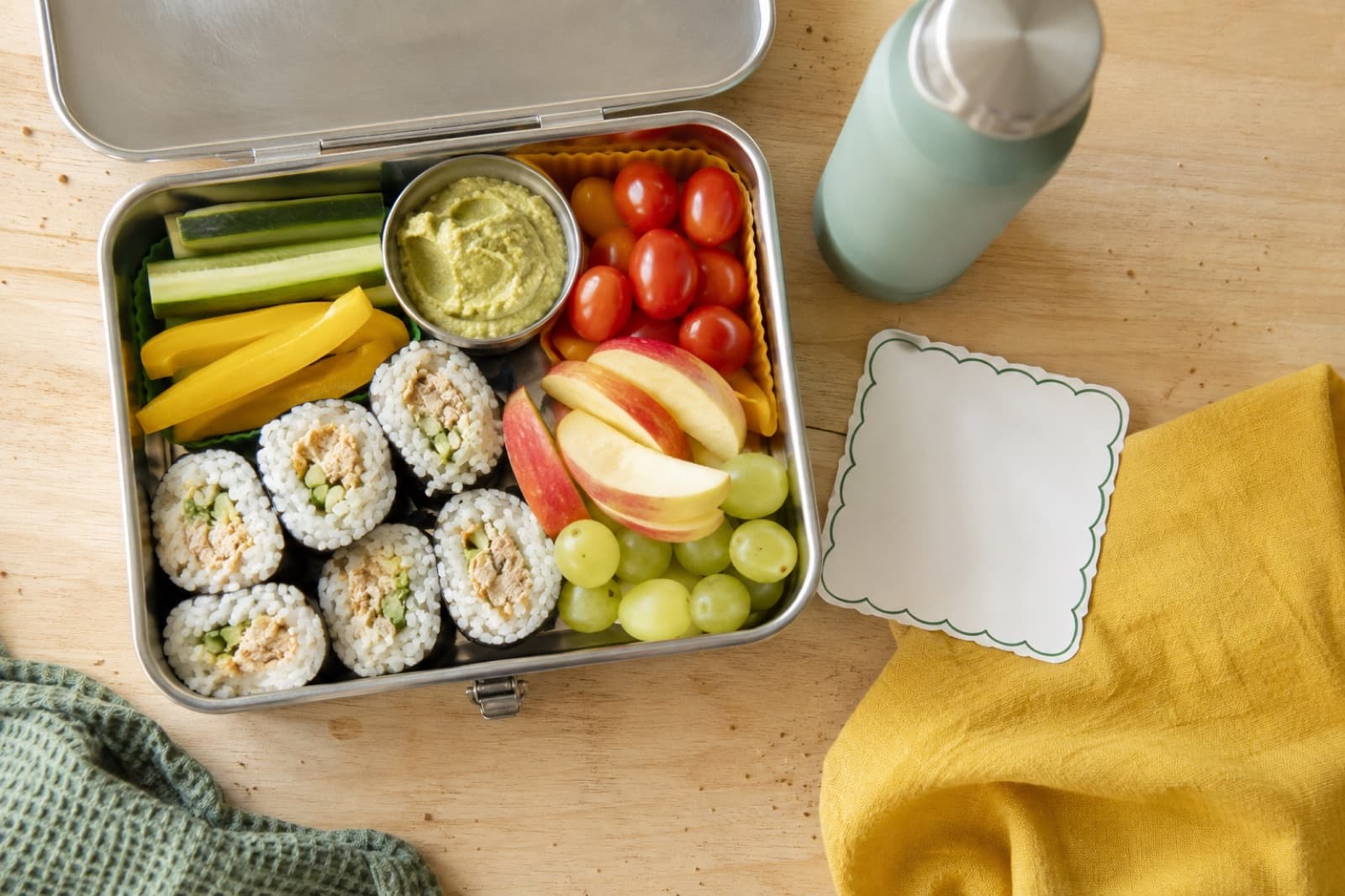
The Complete Egg-Free Grocery Shopping Guide
Navigating the grocery store with an egg allergy can feel overwhelming. You're not alone! This guide is designed to equip you with the knowledge and strategies you need to shop confidently and safely, ensuring delicious and worry-free meals for your family. Remember, Safe Plated is here to help, offering customizable meal plans tailored to your specific allergy needs. Browse all Egg-free recipes for inspiration!
Understanding Egg Allergy and Label Reading
Egg allergy is one of the most common food allergies, especially in children. It's crucial to understand that even a tiny amount of egg can trigger a reaction. The first step in safe grocery shopping is meticulous label reading.
Pay close attention to the ingredient list. In the US, food manufacturers are required to clearly state the presence of common allergens like egg. However, egg can hide under various names.
Tip: Familiarize yourself with common hidden sources of egg, such as albumin, globulin, lecithin, lysozyme, ovalbumin, ovovitellin, mayonnaise, meringue, and surimi.
Always read the entire label every time, even if you’ve purchased the product before, as ingredients can change. Look for "Contains: Egg" or a similar statement. Also, be aware of "May contain" or "Made in a facility that also processes egg" statements, and assess your comfort level with these warnings.
Creating a Safe Grocery Shopping Strategy
Preparation is key to a successful and stress-free grocery shopping trip. Here's a step-by-step strategy:
- 1Meal Planning: Plan your meals for the week using Safe Plated or other resources. This helps you create a focused shopping list.
- 2List Creation: Build your shopping list based on your meal plan. Categorize it by sections of the grocery store (produce, dairy, etc.) to save time.
- 3Research New Products: Before trying a new product, research it online or contact the manufacturer to confirm its egg-free status.
- 4Shop During Off-Peak Hours: This reduces stress and allows you more time to carefully read labels.
- 5Bring Your Own Reusable Bags: This minimizes cross-contamination from potentially allergenic grocery store bags.
- 6Designated Shopping Buddy: If possible, bring someone along to help you read labels and keep an eye on your child.
Tip: Consider keeping a small notebook with safe brands and products you regularly buy. This can be a lifesaver when you're feeling overwhelmed.
Navigating Different Grocery Store Sections
Each section of the grocery store presents unique challenges for those with egg allergies.
* Bakery: This is a high-risk area. Cross-contamination is common. Carefully read labels on packaged goods, and avoid unpackaged items unless you're absolutely certain they are egg-free.
* Dairy: While milk itself is egg-free, be cautious of flavored yogurts, ice cream, and some cheeses, which may contain egg.
* Frozen Foods: Check labels carefully on frozen meals, pizzas, and desserts.
* Canned Goods: Soups, sauces, and processed vegetables can sometimes contain egg.
* Snacks: Many processed snacks contain egg. For instance, are you unsure if Is Oreos safe for egg allergies? or Is Animal Crackers safe for egg allergies?? Always double check before buying.
* Condiments: Mayonnaise is a common culprit, but some salad dressings and sauces may also contain egg.
Warning: Be particularly cautious of foods labeled "natural" or "organic," as they are not exempt from allergen labeling requirements. Always read the ingredient list.
Egg-Free Swaps and Substitutions
One of the keys to successful egg-free cooking is knowing your substitutions. Here's a quick guide:
| Ingredient | Substitution Options | Notes |
|---|---|---|
| Eggs (binder) | Applesauce, mashed banana, flaxseed meal + water | Use ¼ cup applesauce or mashed banana per egg. For flaxseed, mix 1 tbsp flaxseed meal with 3 tbsp water, let sit for 5 minutes. |
| Eggs (leavening) | Baking powder, baking soda + vinegar/lemon juice | Increase baking powder by ½ tsp per egg. Use ¼ tsp baking soda + 1 tbsp vinegar/lemon juice per egg. |
| Eggs (moisture) | Yogurt, buttermilk, silken tofu | Use ¼ cup yogurt, buttermilk, or pureed silken tofu per egg. |
| Eggs (glaze) | Milk, maple syrup, agave | Brush lightly before baking. |
Tip: Experiment with different substitutions to find what works best for your recipes.
Restaurant Meals and Takeout
While this guide focuses on grocery shopping, it's important to consider egg allergies when eating out or ordering takeout. Always inform the restaurant staff about the allergy and ask about ingredients and preparation methods. Be cautious of cross-contamination. For example, Is Soto Ayam safe for egg allergies? or Is Toast Box Kaya Toast safe for egg allergies?? It's best to confirm with the restaurant before eating.
Warning: Even if a dish doesn't explicitly contain egg, it may have been cooked on the same surface as egg-containing foods. Ask about cross-contamination procedures.
Many families find it easier to prepare meals at home where they have complete control over the ingredients. Safe Plated can help you discover egg-free versions of your favorite meals.
Staying Informed and Advocating for Your Child
Food allergy labeling laws and regulations are constantly evolving. Stay informed about the latest updates and advocate for your child's safety.
* Connect with Allergy Organizations: Join online communities and support groups for parents of children with food allergies.
* Educate Others: Inform family, friends, teachers, and caregivers about your child's allergy and how to respond to a reaction.
* Carry an Epinephrine Auto-Injector: Always carry an epinephrine auto-injector and know how to use it.
Ready to Simplify Allergy-Safe Cooking?
Safe Plated plans your meals, checks every ingredient, and makes sure nothing slips through. Every recipe is AI-generated with smart substitutions and independently audited.
Allergy Disclaimer — Safe Plated Pte. Ltd.
This content is AI-generated by Safe Plated for informational purposes only. AI can make errors, omit critical information, or produce inaccurate statements. Always verify allergen safety with physical product labels, medical professionals, and authoritative sources. This is not medical advice.
Put this advice against the label in front of you
Paste the ingredient text and choose what you avoid. Safe Plated highlights the exact recognised terms for a transparent second pass—free, private, and without an account.
Get one practical idea each week
Allergy-aware planning tips and free tools. No inflated promises, no spam.
One practical tip each week. Unsubscribe anytime. See our privacy policy.