
The Complete Dairy-Free Grocery Shopping Guide
Dairy-free shopping simplified! Our guide covers every aisle, with tips & swaps. Navigate stores easily & avoid dairy allergens.
The Complete Dairy-Free Grocery Shopping Guide
Navigating the grocery store with a dairy allergy can feel like a daunting task. As parents of children with allergies, we at Safe Plated understand the challenges. This guide is here to help you confidently shop for dairy-free alternatives and avoid hidden dairy ingredients. We'll cover everything from reading labels to finding the best dairy-free substitutes, ensuring your family enjoys safe and delicious meals.
Understanding Dairy Labeling and Hidden Ingredients
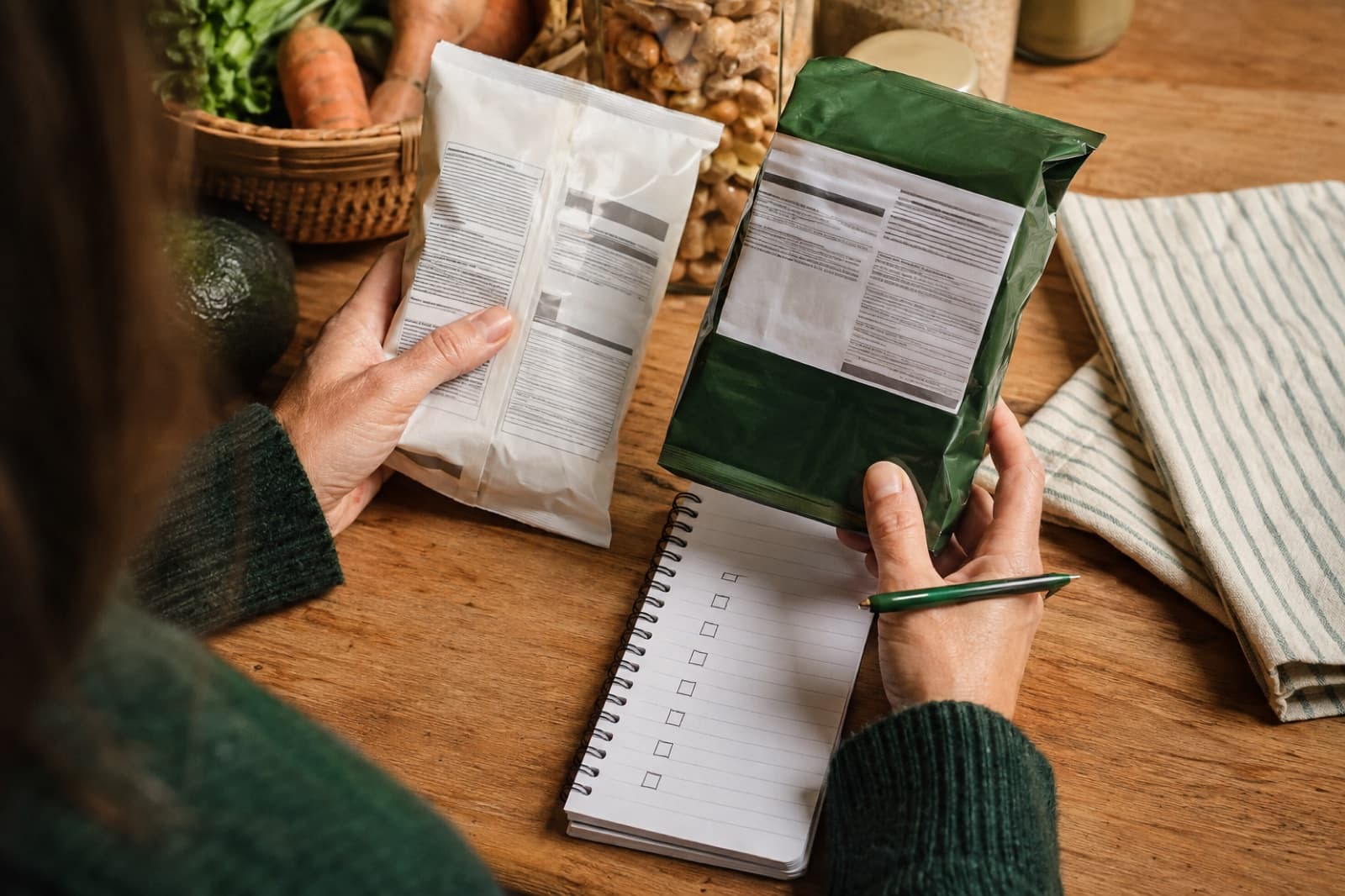
The first step to successful dairy-free grocery shopping is mastering label reading. The Food Allergen Labeling and Consumer Protection Act (FALCPA) requires manufacturers to clearly state if a product contains milk. However, dairy can hide under many different names, so it's crucial to be vigilant.
Here's a list of common dairy ingredients to watch out for:
* Casein
* Whey
* Lactose
* Milk solids
* Butter
* Cream
* Ghee
* Curd
* Hydrolyzed milk protein
Tip: Always read the entire ingredient list, even if you've purchased the product before. Manufacturers can change ingredients without warning.
Pay close attention to "may contain" or "processed in a facility that also processes milk" statements. These are voluntary warnings from manufacturers. While some families are comfortable with these products, others prefer to avoid them to minimize the risk of cross-contamination. Deciding what’s safe for your family is always the best approach. Many parents wonder, Is Oreos safe for dairy allergies? Always read the label to be sure.
Navigating Each Aisle: Dairy-Free Swaps
Let's walk through the grocery store aisle by aisle, highlighting common dairy-containing items and their dairy-free alternatives.
Dairy Aisle: This is the most obvious place to be careful. Look for plant-based milk alternatives like almond milk, soy milk, oat milk, coconut milk, and cashew milk. Dairy-free yogurts made from coconut, almond, or soy are also available. Don't forget to explore dairy-free cheeses!
Baking Aisle: Many baking mixes and ingredients contain dairy. Check labels carefully for milk powder, whey, or casein. Fortunately, there are many dairy-free baking options available. Some margarines are dairy-free, but always check the label. Consider using coconut oil or olive oil as a butter substitute.
Snack Aisle: The snack aisle can be a minefield. Many chips, crackers, and candies contain dairy. Some popular snacks, like Is Pringles safe for dairy allergies?, require careful label checking. Always read the labels of your family favorites. Many parents also wonder, Is M&Ms safe for dairy allergies?.
Frozen Foods: Ice cream is a popular dessert, but traditional ice cream is obviously off-limits. Luckily, there are many delicious dairy-free ice cream options made from coconut milk, almond milk, oat milk, or soy milk. Frozen meals and pizzas often contain cheese, so be sure to check the ingredient list.
Bread Aisle: Many breads contain milk or whey. Look for dairy-free bread options or consider baking your own.
Warning: Be cautious of cross-contamination at bakeries. Many bakeries use the same equipment for both dairy and dairy-free products.
Here's a quick reference table for common dairy-containing foods and their dairy-free alternatives:
| Food | Dairy-Free Alternative(s) |
|---|---|
| Milk | Almond milk, soy milk, oat milk, coconut milk, cashew milk |
| Yogurt | Coconut yogurt, almond yogurt, soy yogurt |
| Cheese | Dairy-free cheese (various brands and types) |
| Butter | Dairy-free margarine, coconut oil, olive oil |
| Ice Cream | Coconut milk ice cream, almond milk ice cream, etc. |
| Cream Cheese | Dairy-free cream cheese alternatives |
| Sour Cream | Dairy-free sour cream alternatives |
Dining Out Dairy-Free
Eating out with a dairy allergy requires careful planning and communication. Always inform the restaurant staff about your allergy and ask about ingredients and preparation methods. Many restaurants are willing to accommodate dietary restrictions, but it's essential to be proactive.
Ask about cross-contamination risks. Find out if the restaurant uses separate cooking surfaces and utensils for dairy-free meals. Be wary of sauces and dressings, as they often contain hidden dairy.
Tip: Call the restaurant ahead of time to discuss your allergy and menu options.
Building a Dairy-Free Pantry: Essential Items
Having a well-stocked dairy-free pantry makes meal planning and cooking much easier. Here are some essential items to keep on hand:
* Plant-based milks (almond, soy, oat, coconut)
* Dairy-free butter substitutes
* Dairy-free cheese alternatives
* Dairy-free yogurt alternatives
* Dairy-free chocolate chips
* Nutritional yeast (for a cheesy flavor)
* Dairy-free cream cheese
* Dairy-free sour cream
* Various flours (almond, coconut, gluten-free blends)
* Safe snacks and treats
Remember to check out Safe Plated's Browse all Dairy-free recipes for inspiration and meal ideas. We take the guesswork out of dairy-free cooking!
Staying Informed and Finding Support
Living with food allergies can be challenging, but you're not alone. There are many resources available to help you stay informed and find support. Join online allergy communities, connect with other parents, and consult with a registered dietitian or allergist. Always read labels, and when in doubt, don't eat it! Is Is Nutella safe for dairy allergies? Check our guide, and always read labels. You may also wonder, Is Goldfish Crackers safe for dairy allergies? We can help you find out!
Remember to stay up-to-date on the latest research and recommendations for managing food allergies. This knowledge will empower you to make informed decisions about your family's health.
Ready to Simplify Allergy-Safe Cooking?
Safe Plated plans your meals, checks every ingredient, and makes sure nothing slips through. Every recipe is AI-generated with smart substitutions and independently audited.
Allergy Disclaimer — Safe Plated Pte. Ltd.
This content is AI-generated by Safe Plated for informational purposes only. AI can make errors, omit critical information, or produce inaccurate statements. Always verify allergen safety with physical product labels, medical professionals, and authoritative sources. This is not medical advice.
Put this advice against the label in front of you
Paste the ingredient text and choose what you avoid. Safe Plated highlights the exact recognised terms for a transparent second pass—free, private, and without an account.
Get one practical idea each week
Allergy-aware planning tips and free tools. No inflated promises, no spam.
One practical tip each week. Unsubscribe anytime. See our privacy policy.