
Navigating Restaurant Dining with Food Allergies
Practical tips for eating out safely, from choosing restaurants to communicating with staff.
Navigating Restaurant Dining with Food Allergies
Eating out with family is a cherished tradition for many, a chance to relax, connect, and enjoy a delicious meal without the kitchen cleanup. But for families managing food allergies, this seemingly simple pleasure can often feel like a minefield. The fear of cross-contamination, hidden ingredients, and miscommunication can cast a shadow over even the most anticipated outings. At Safe Plated, we understand these anxieties. We're here to empower you with the knowledge and confidence to navigate the world of restaurant dining safely and enjoyably. Let's break down how to make your next meal out a success!
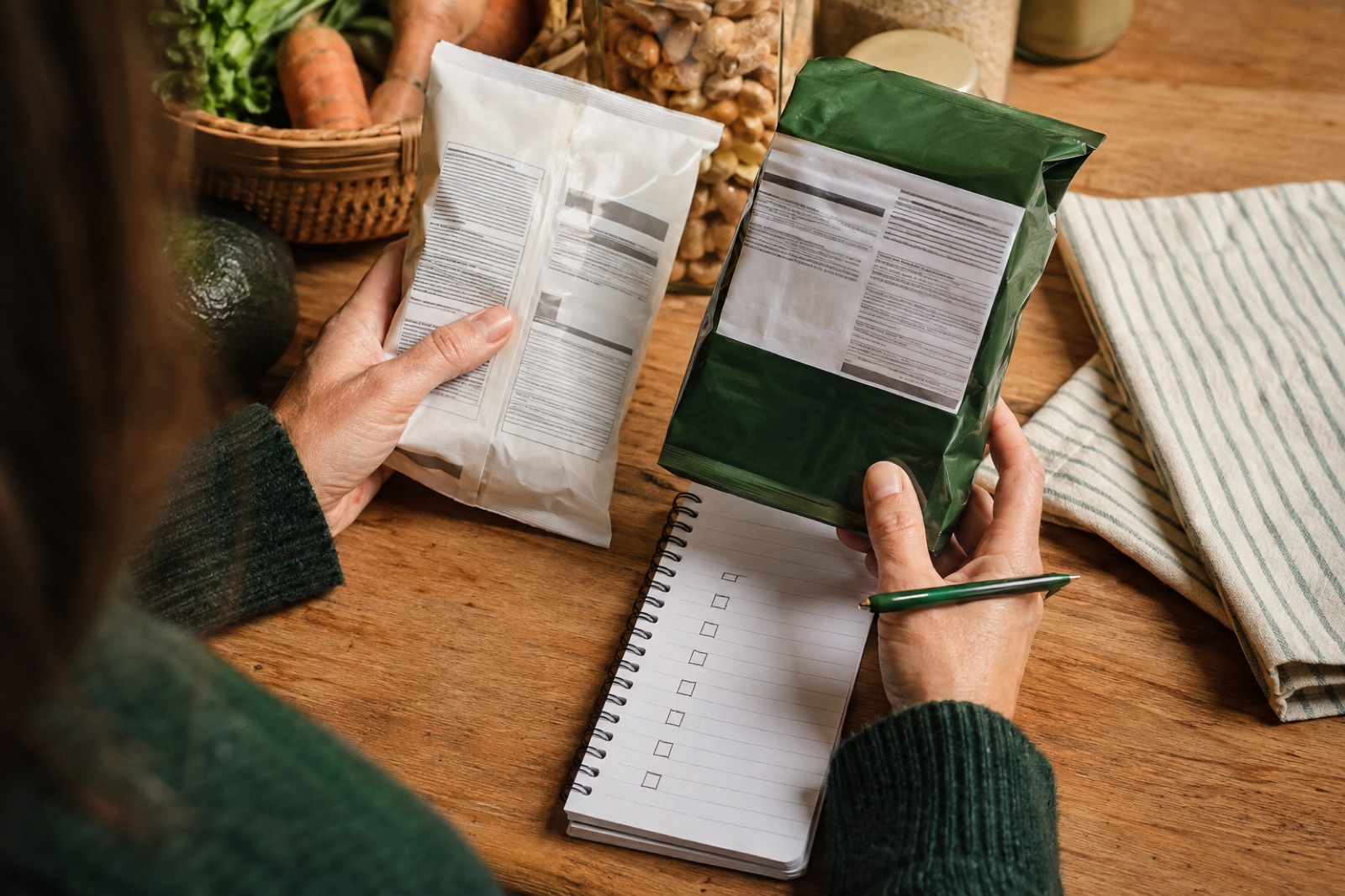
🍽️ Pre-Dining Preparation: Setting Yourself Up for Success
The journey to a safe restaurant meal begins long before you even step out the door. Proactive planning is your most powerful tool. Don't let anxiety prevent you from experiencing these moments – a little preparation goes a long way!
* Research is Your Best Friend: Before picking a restaurant, do your homework! Look for establishments known for their allergy awareness or those with clear allergy information on their menus.
* ✅ Check online menus: Many restaurants now highlight common allergens.
* ✅ Read reviews: Look for mentions of allergy experiences from other diners.
* ✅ Visit the restaurant's website: Some have dedicated allergy pages or statements.
* Call Ahead: This is a crucial step that often gets overlooked. A quick phone call can save you a lot of potential trouble later.
* 📞 Ask about their allergy protocols: Do they have separate prep areas? How do they prevent cross-contamination?
* 📞 Inquire about specific ingredients: If you have a less common allergy, confirm if they can accommodate it.
* 📞 Speak to a manager or chef: If possible, having a direct line of communication can be very reassuring.
Know Your Allergen: Be crystal clear about all* the ingredients your family needs to avoid, including hidden sources. This includes understanding different names for common allergens.
* ℹ️ Did You Know? Dairy can be found in unexpected places like salad dressings, bread coatings, and even some processed meats.
* Prepare an Allergy Card: A concise, easy-to-read card detailing your family's allergies and cross-contamination needs can be a lifesaver.
* 📇 Include: The specific allergen(s), severity (e.g., anaphylactic), and any special handling instructions.
* 📇 Keep it brief: Focus on the most critical information.
💡 Pro Tip: Create a digital version of your allergy card on your phone, so it's always accessible.
🗣️ Communicating with Restaurant Staff: Your Allergy Advocate
Once you're at the restaurant, clear and direct communication is paramount. You are your child's strongest advocate, and a good restaurant will appreciate your diligence.
* Inform Your Server Immediately: As soon as your server approaches, politely but firmly state your family's allergies. Don't wait until the food arrives or you're ordering.
* 🗣️ "Hi, I wanted to let you know that my child has a severe peanut allergy. It's crucial for us to avoid any cross-contamination."
* Be Specific and Avoid Ambiguity: Vague statements can lead to misunderstandings. Be precise about what needs to be avoided.
* ❌ "No nuts" is good, but "No peanuts, tree nuts, or sesame" is even better if those are your concerns.
* ✅ Be clear about "dairy-free" versus "lactose-free."
* Ask About Ingredients and Preparation: Don't be afraid to ask detailed questions about how dishes are prepared.
* ❓ "Does this sauce contain any dairy?"
* ❓ "Is the fryer shared with seafood or other common allergens?"
* ❓ "Can this dish be prepared in a separate pan?"
* Request to Speak with a Manager or Chef: If you have multiple or severe allergies, or if your server seems unsure, don't hesitate to ask for someone with more authority.
* 👨🍳 "Would it be possible for the chef to review our order to ensure it's safe?"
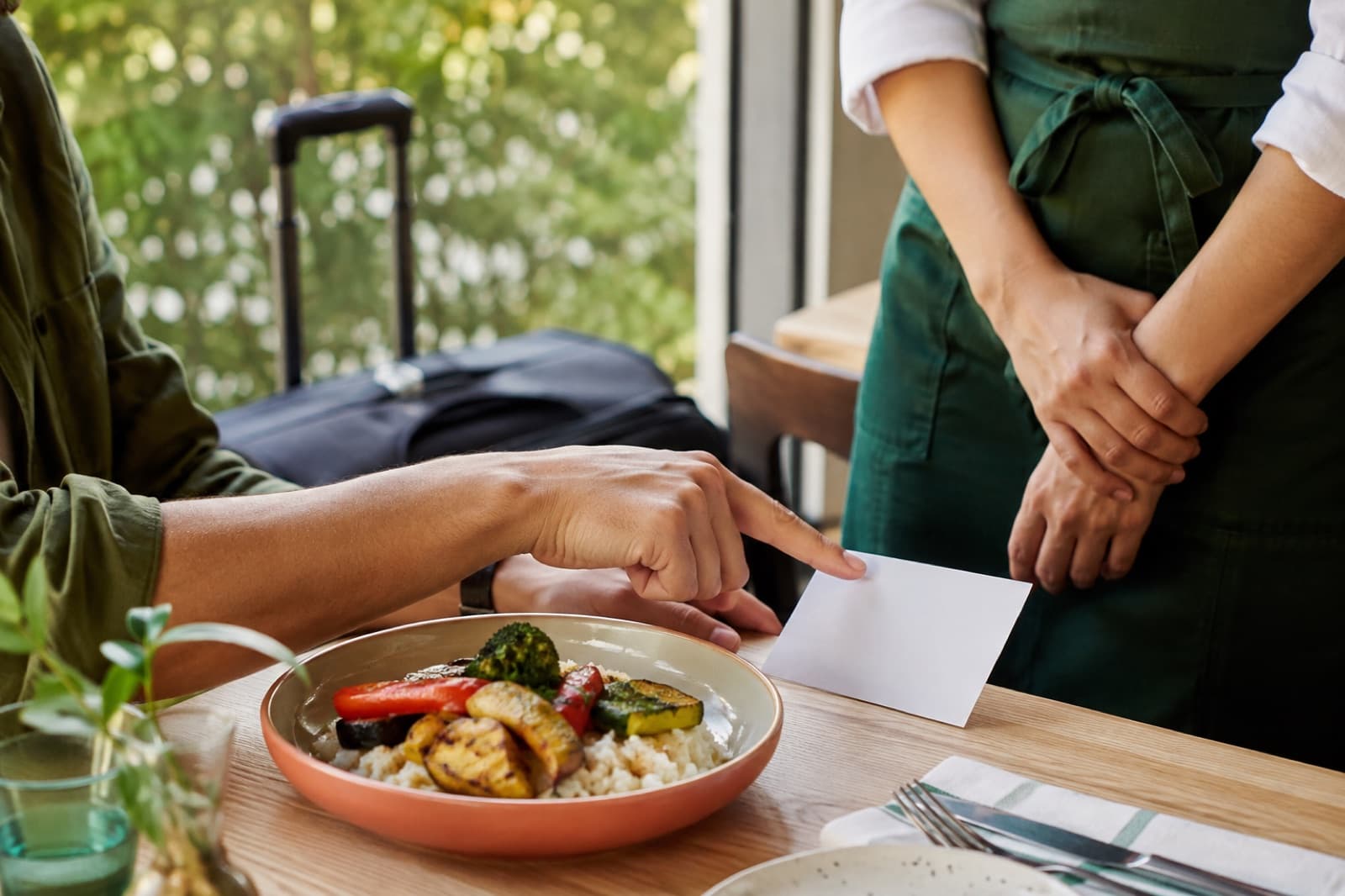
* Use Your Allergy Card: Hand your pre-prepared allergy card to your server or the manager. This provides a clear, written record of your needs.
⚠️ Watch Out: Relying solely on the server's knowledge can be risky. Always double-check and escalate if you feel your concerns aren't being fully addressed.
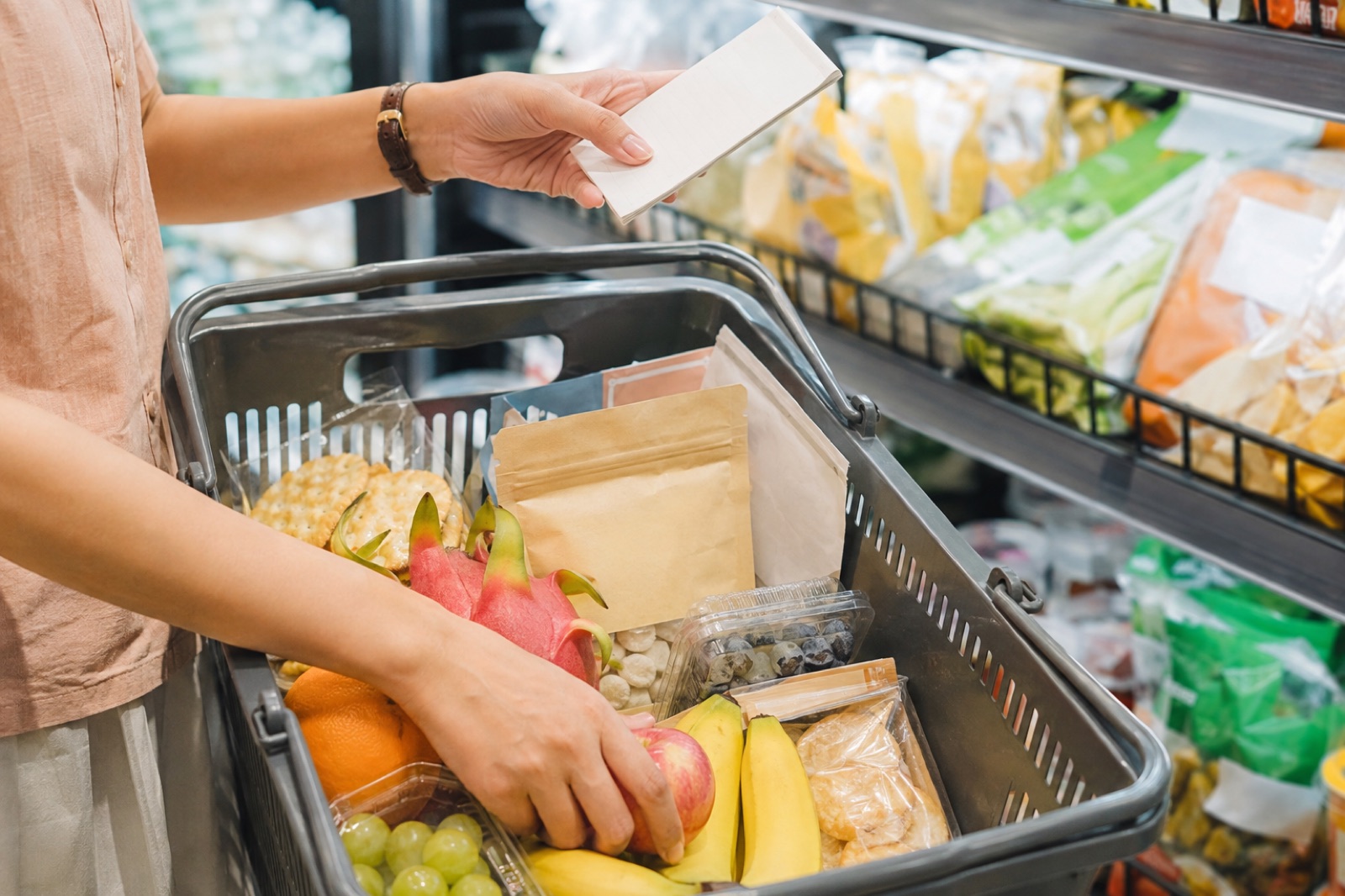
👨🍳 Understanding Kitchen Practices: What to Ask and Look For
While you won't be in the kitchen, understanding basic kitchen practices related to allergies can help you ask the right questions and gauge a restaurant's commitment to safety.
* Cross-Contamination Prevention: This is the biggest concern. Ask how they handle it.
* ❓ "Do you have separate cutting boards or utensils for allergen-free orders?"
* ❓ "Is the grill or oven cleaned before preparing our meal?"
* ❓ "Are dedicated fryers used for allergen-free items?"
* Ingredient Disclosure: A restaurant that is transparent about its ingredients is a good sign.
* 🔍 Look for menus that clearly list allergens.
* 🔍 Ask if they can provide a full ingredient list for specific dishes.
* Staff Training: A well-trained staff is more likely to understand and respect allergy protocols.
* 💡 "Does your staff receive regular allergy training?" can be a good question to ask during your initial phone call.
"Free From" Sections: Many menus now offer dedicated "gluten-free," "dairy-free," or "vegan" sections. While helpful, always* verify cross-contamination procedures even within these sections.
* ✅ These sections are a great starting point, but not a guarantee of complete safety.
ℹ️ Did You Know? Even a tiny trace of an allergen, known as a "trace amount," can cause a severe reaction in highly sensitive individuals.
🌶️ Decoding Menus and Ordering Safely: Making Smart Choices
Once you've communicated your needs, it's time to make informed choices from the menu. This requires careful consideration of dishes and ingredients.
* Simpler is Often Safer: Dishes with fewer ingredients and simpler preparation methods are generally easier to control.
* ✅ Grilled meats or fish: When prepared without marinades or sauces.
* ✅ Steamed vegetables: Plain and simple.
* ✅ Plain rice or baked potatoes: Without added butter or dairy.
* Be Wary of Sauces and Dressings: These are often where hidden allergens lurk.
* ❌ Creamy sauces: Often contain dairy.
* ❌ Vinaigrettes: May contain unexpected thickeners or emulsifiers.
* 🔍 Always ask for sauces and dressings on the side.
* Bread and Pastries: These can be major sources of gluten, dairy, eggs, and nuts.
* ❌ Beware of artisanal breads or anything with a glaze.
* ✅ Request plain bread or crackers if available.
* "May Contain" Warnings: If a menu or staff member states a dish "may contain" an allergen, it's best to avoid it for safety.
* ⚠️ This indicates a risk of cross-contamination.
* Consider "Build-Your-Own" Options: Some restaurants offer customizable meals where you can select individual ingredients.
* ✅ These can be excellent for controlling what goes into your dish.
💡 Pro Tip: If you're unsure about a dish, ask if it can be prepared in a way that meets your specific allergy needs. It's better to ask for a modification than to risk a reaction.
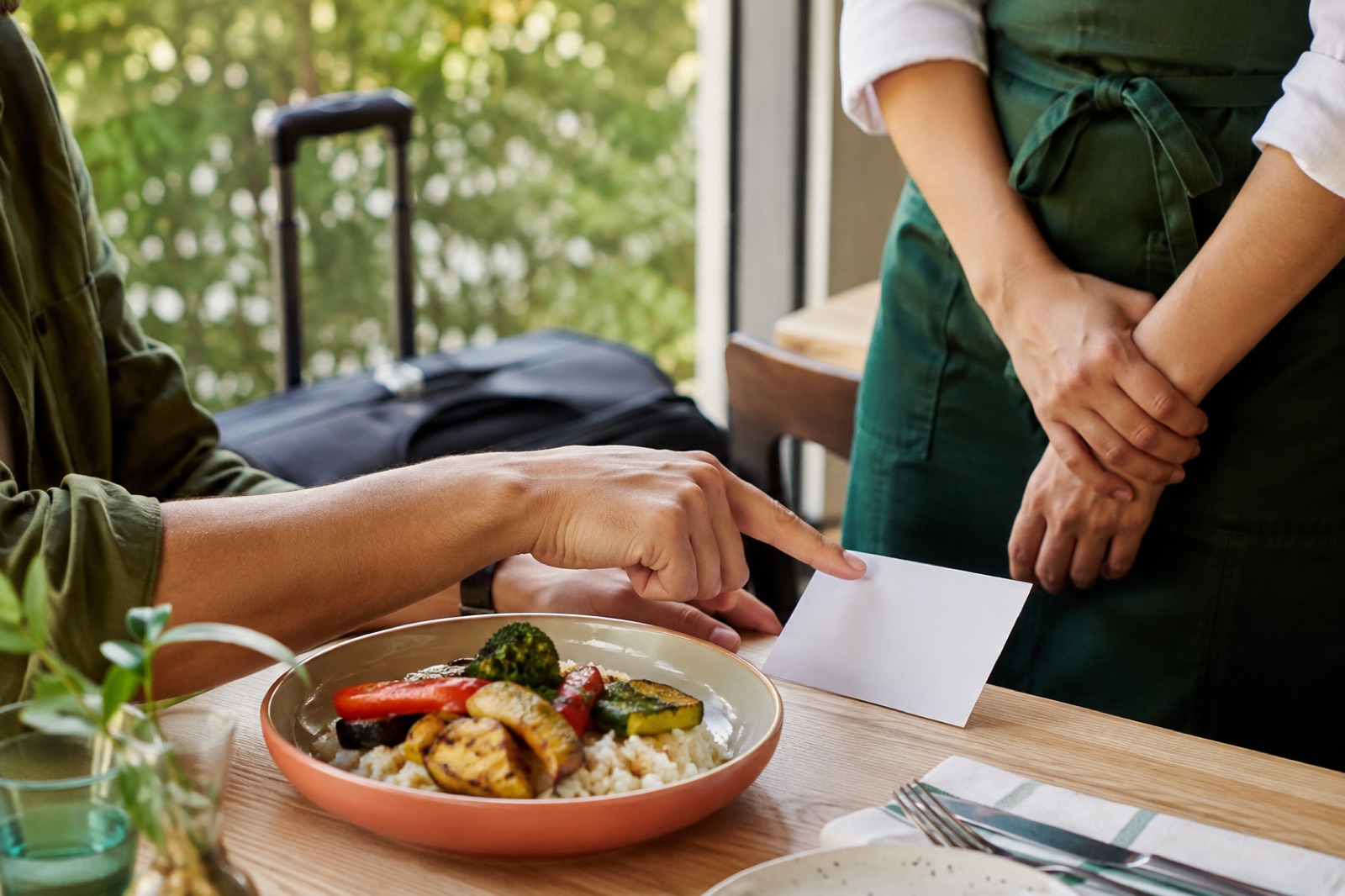
📝 Quick Reference: Allergy Dining Checklist
Here's a handy checklist to keep with you for your next restaurant outing:
| Step | Action | Status (✅/❌/❓) | Notes |
|---|---|---|---|
| Before You Go | Research restaurant allergy protocols | ||
| Call ahead to discuss allergies and accommodations | |||
| Prepare allergy card (physical and digital) | |||
| At the Restaurant | Inform server of allergies immediately | ||
| Be specific about all allergens to avoid | |||
| Ask detailed questions about ingredients and preparation | |||
| Request to speak with manager/chef if needed | |||
| Hand over allergy card | |||
| Ordering | Choose simpler dishes when possible | ||
| Ask for sauces/dressings on the side | |||
| Be cautious of breads, pastries, and hidden ingredients | |||
| Avoid dishes with "may contain" warnings | |||
| During the Meal | Visually inspect the food before eating | ||
| If anything seems off, ask for clarification immediately |
🌿 Enjoying the Meal: Vigilance Doesn't Mean Missing Out
The goal is to eat safely, not to miss out on the joy of dining out. With the right approach, you can create positive and memorable experiences for your whole family.
* Trust Your Gut: If something feels off at any point, don't ignore it. It's always better to be safe than sorry.
* 👂 Listen to your instincts and don't feel pressured to eat something you're not comfortable with.
* Visually Inspect: Before your family digs in, take a moment to visually inspect the food. Does it look as expected? Are there any obvious signs of allergens you're trying to avoid?
* 👀 Look for unexpected garnishes or components.
* Don't Be Afraid to Send Food Back: If the dish arrives and you suspect an error or cross-contamination, politely explain the situation and ask for it to be remade.
* 🆘 "I'm so sorry, but I believe this may have come into contact with [allergen]. Could we please have it remade?"
* Focus on the Company: Remember why you're there – to spend quality time with your loved ones. The food is important, but the shared experience is what truly matters.
* 👨👩👧👦 The conversation and laughter around the table are the most important ingredients.
* Celebrate Small Victories: Every successful allergy-safe meal out is a win! Acknowledge and celebrate these moments with your family.
* 🎉 You navigated a potentially tricky situation and enjoyed a meal together!
Eating out with food allergies requires extra layers of planning and communication, but it is absolutely achievable and can be a source of joy. By arming yourself with information, communicating clearly, and trusting your instincts, you can transform dining out from a source of anxiety into a wonderful family adventure. Safe Plated is here to support you every step of the way, providing the tools and resources to make allergy-safe eating simple and stress-free. So go ahead, plan that family dinner, celebrate those milestones, and enjoy the delicious possibilities!
Allergy Disclaimer — Safe Plated Pte. Ltd.
This content is AI-generated by Safe Plated for informational purposes only. AI can make errors, omit critical information, or produce inaccurate statements. Always verify allergen safety with physical product labels, medical professionals, and authoritative sources. This is not medical advice.
Put this advice against the label in front of you
Paste the ingredient text and choose what you avoid. Safe Plated highlights the exact recognised terms for a transparent second pass—free, private, and without an account.
Get one practical idea each week
Allergy-aware planning tips and free tools. No inflated promises, no spam.
One practical tip each week. Unsubscribe anytime. See our privacy policy.