How to Read Food Labels Like a Pro
Understanding allergen declarations, 'may contain' warnings, and precautionary labelling.
🔍 How to Read Food Labels Like a Pro
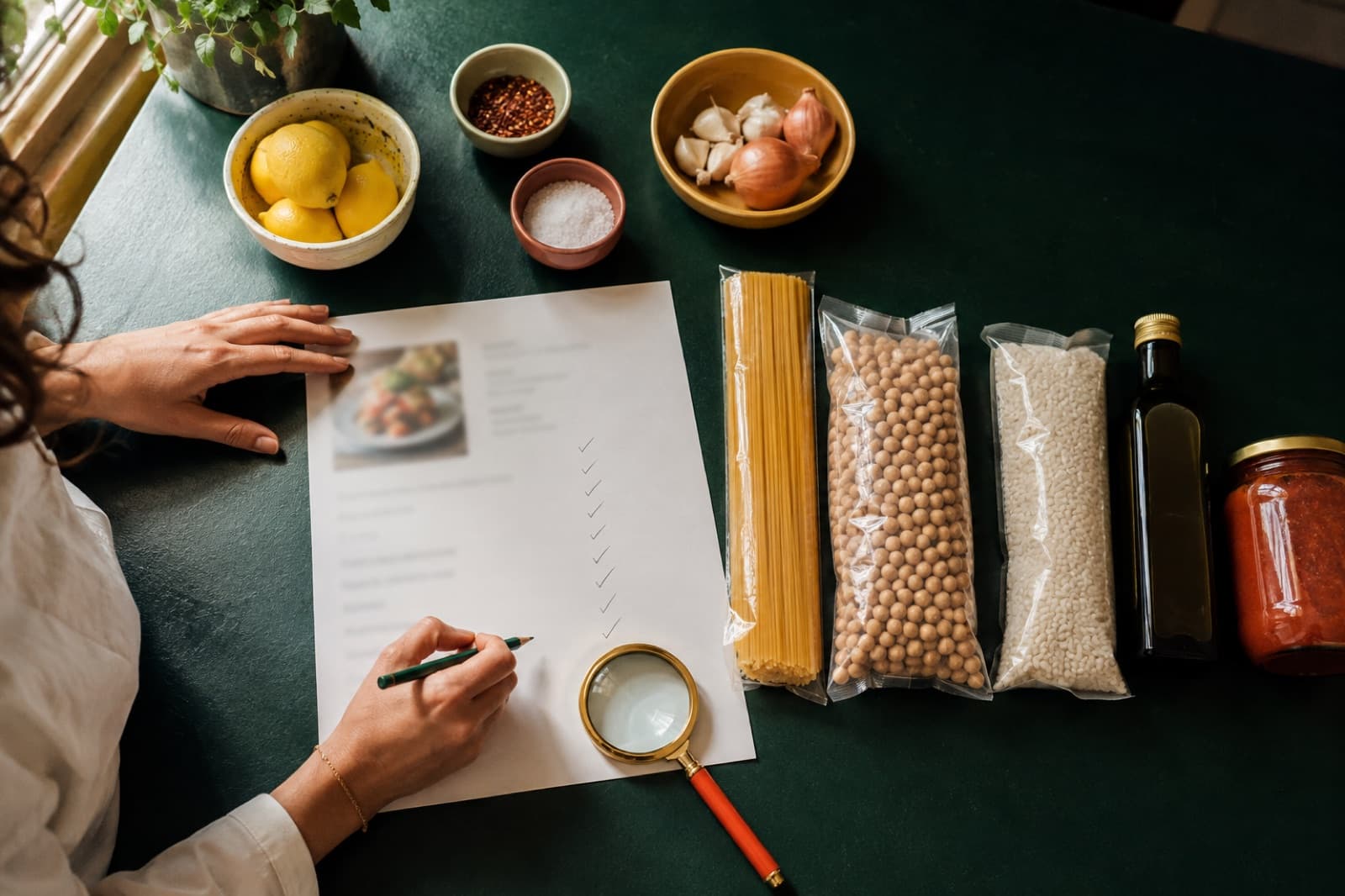
Navigating the world of food with allergies can feel like a constant scavenger hunt. Every package is a puzzle, and deciphering ingredient lists and warnings can be exhausting. But what if you could approach those labels with confidence, knowing you're making the safest choices for your family? At Safe Plated, we believe understanding food labels is a superpower for allergy families, and we're here to help you master it.
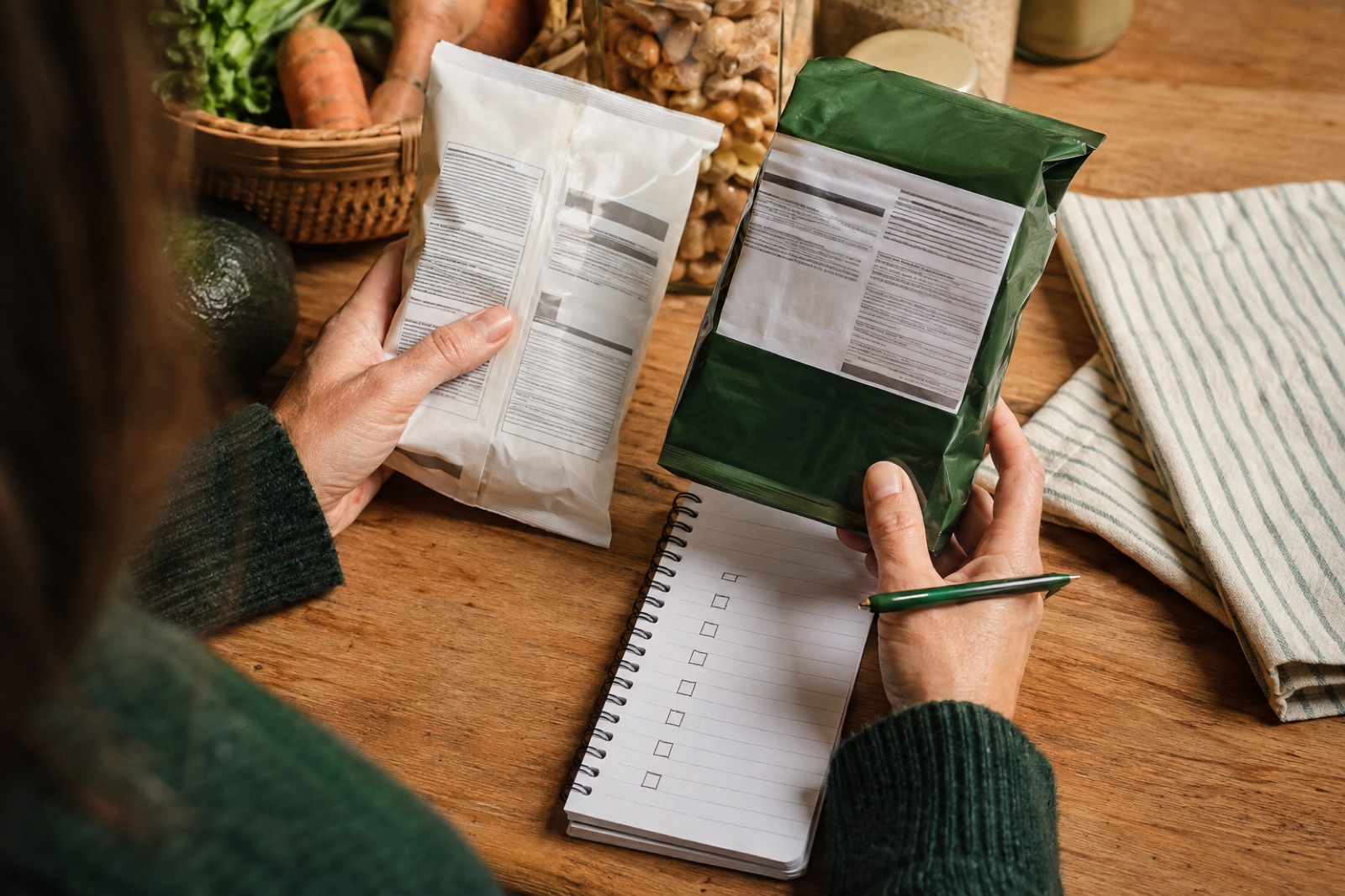
This guide will equip you with the knowledge to confidently decode what's inside your food, from those essential allergen declarations to the trickier "may contain" statements. Get ready to become a label-reading pro!
🅰️ Understanding Allergen Declarations: The Big 8 (and Beyond!)
Most countries have laws requiring clear identification of major allergens. In the US, these are often referred to as the "Big 9" allergens (formerly "Big 8"), which must be clearly listed on food labels. These are crucial for immediate identification.
- • Milk 🥛
- • Eggs 🥚
- • Peanuts 🥜
- • Tree Nuts (like almonds, walnuts, cashews) 🌰
- • Soy 🥦
- • Wheat 🌾
- • Fish 🐟
- • Shellfish (like shrimp, crab, lobster) 🦞
- • Sesame 🍪
You'll typically find these listed either within the ingredient list itself (e.g., "wheat flour") or in a separate "Contains" statement. Look for phrases like:
- • "Contains: Milk, Wheat, Soy"
- • "Ingredients: Enriched Flour (Wheat Flour, Niacin, Iron, Thiamine Mononitrate, Riboflavin, Folic Acid), Sugar, Vegetable Oil (Palm Oil, Canola Oil), Eggs, Contains 2% or Less of: Salt, Baking Soda, Natural Flavors, Milk Chocolate (Sugar, Milk, Cocoa Butter, Chocolate Liquor, Soy Lecithin, Vanilla Extract)."
ℹ️ Did You Know? The "Big 9" account for about 90% of all food allergies. Knowing these is the first step to staying safe.
Always scan for these known allergens, even if you're familiar with the product. Manufacturers can change ingredients without much notice.
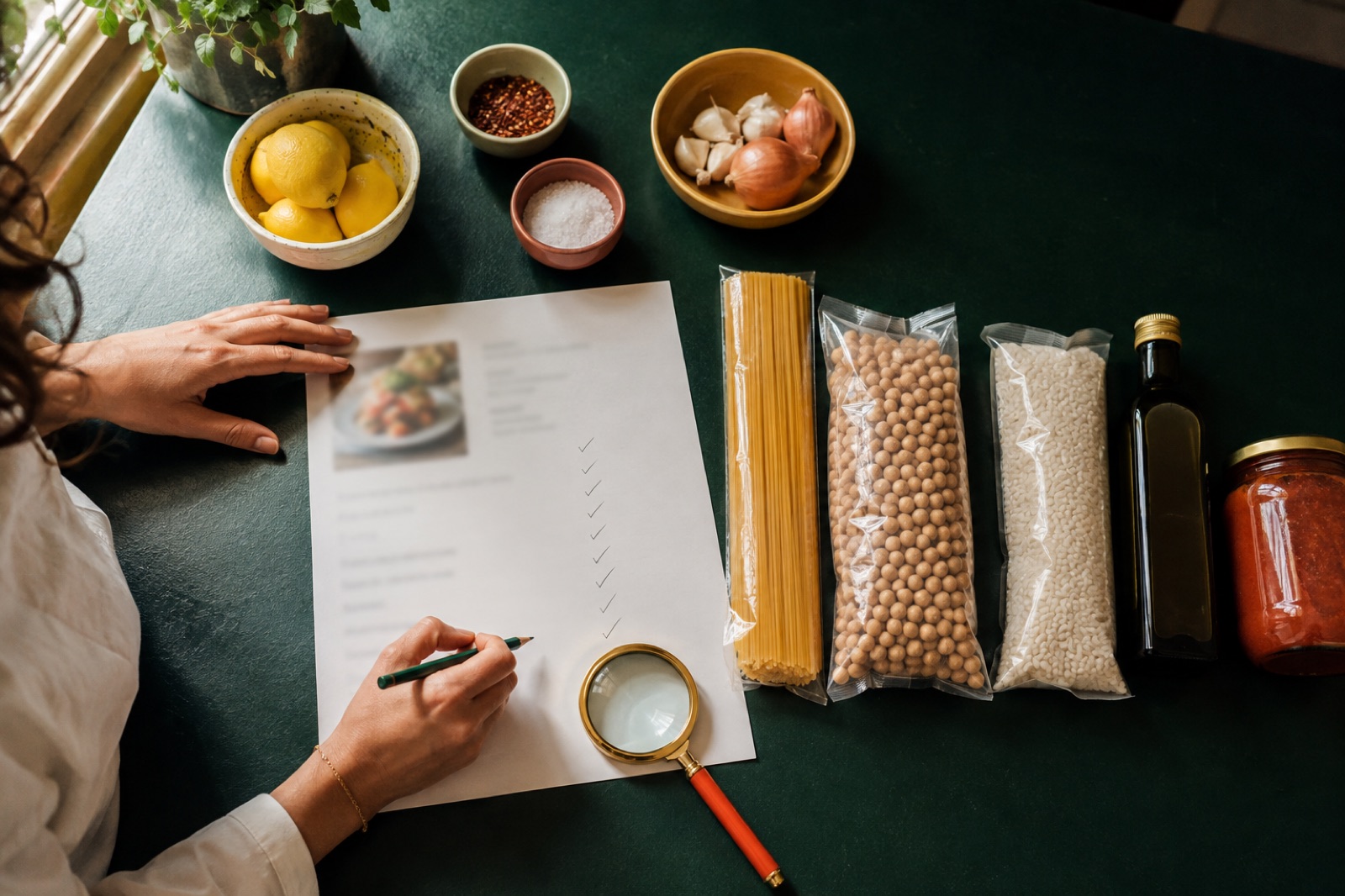
💡 Pro Tip: Keep a printable checklist of your family's allergens handy when you shop. It’s a quick visual reminder to scan for what matters most.
⚠️ The Nuances of "May Contain" and Precautionary Statements
This is where label reading can get a bit more complex, and sometimes, a little scary. "May contain" statements, also known as precautionary allergen labelling (PAL), are voluntary warnings from manufacturers. They are used when there's a risk of cross-contamination, even if the allergen isn't an intended ingredient.
These statements can appear in various forms:
- • "May contain traces of peanuts."
- • "Processed in a facility that also handles tree nuts."
- • "Made on equipment shared with milk."
- • "Manufactured in a shared facility that processes eggs."
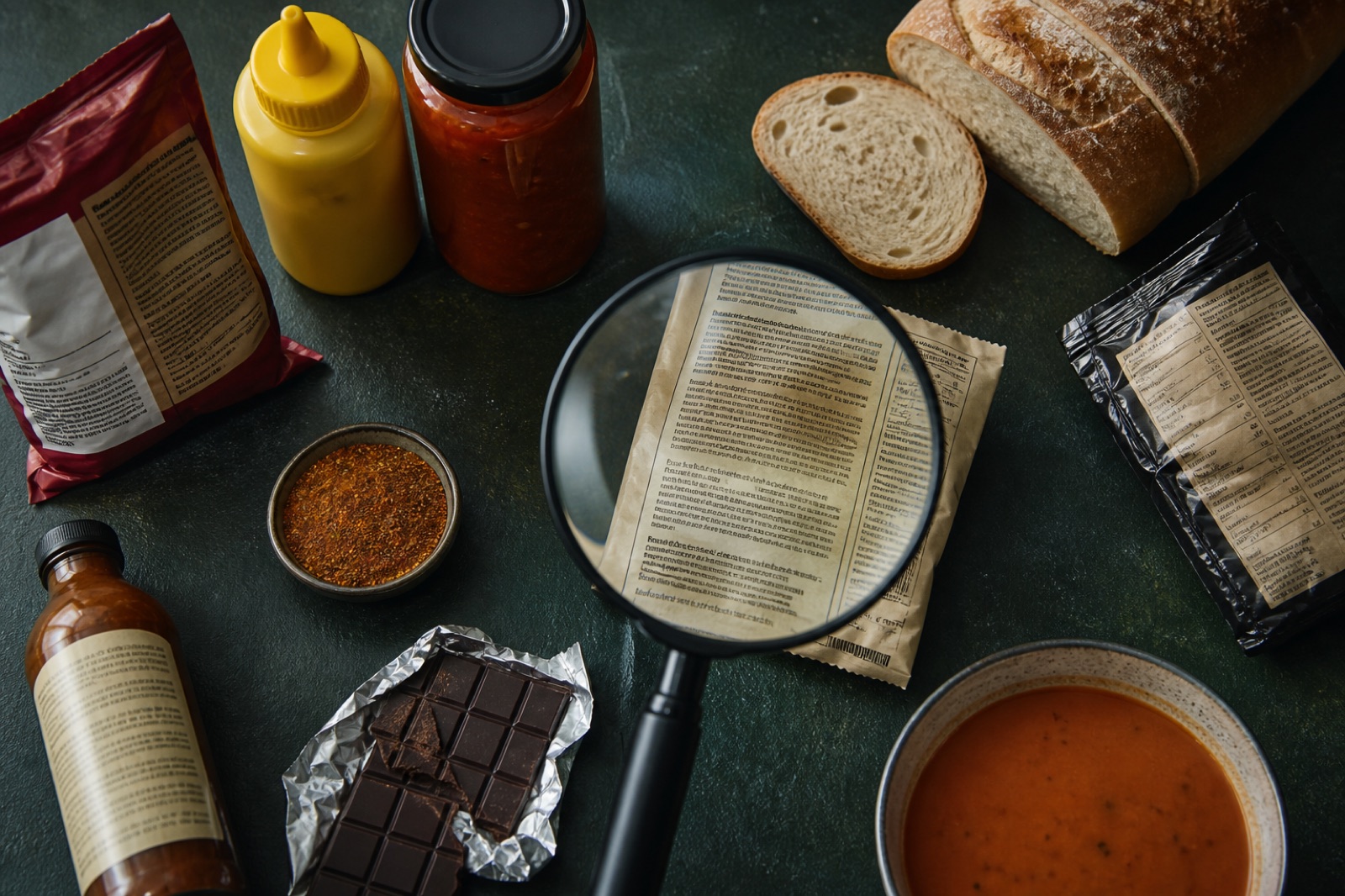
Why are these important? Because even tiny amounts of an allergen can trigger a reaction in sensitive individuals. These statements indicate a risk, not a certainty, of contamination.
⚠️ Watch Out: The absence of a "may contain" statement does not guarantee a product is free from cross-contamination. It simply means the manufacturer hasn't included a precautionary warning.
Navigating Precautionary Statements: A Graduated Approach
Deciding whether to avoid a product with a "may contain" warning depends on several factors:
- 1Severity of Allergy: For individuals with severe allergies or a history of anaphylaxis, it's often safest to avoid products with any cross-contamination warnings for their specific allergens.
- 2Manufacturer Practices: Some companies have rigorous cleaning protocols and dedicate specific lines to certain allergens. Others may have less stringent controls.
- 3Trust and History: If you have a long, positive history with a brand and they have clear allergy protocols, you might feel more comfortable. However, always re-evaluate with new information.
- 4Safe Plated's Role: Our app helps by flagging products that have these warnings in your customized allergy profile.
💡 Pro Tip: For less severe allergies or when starting out, focus on products without any precautionary statements for your allergens first. As you gain confidence, you can explore products with warnings if deemed appropriate by your allergist.
🥛 Hidden Allergen Sources: Beyond the Obvious
Allergens can hide in plain sight, often in unexpected places. Learning these common "hiding spots" will significantly boost your allergy-safe shopping.
Milk: Can be found in processed meats, salad dressings, baked goods, candy, non-dairy creamers, and even some medications. Look for ingredients like casein, whey, lactose, and butter.
Eggs: Often found in baked goods, mayonnaise, pasta, some processed meats, and even marshmallows. Ingredients to watch for include albumin and globulin.
Soy: A very common ingredient that shows up in a vast array of products, including vegetarian meat substitutes, sauces, baked goods, and snack foods. Watch for lecithin (though often soy-derived, it may be tolerated by some), tofu, tempeh, and edamame.
Wheat: Beyond bread and pasta, wheat can be found in sauces, soups, beer, and even some processed snacks as a binder or thickener. Ingredients like durum, semolina, and spelt are wheat derivatives.
ℹ️ Did You Know? The term "natural flavors" can sometimes contain hidden allergens. If you're highly sensitive, it's best to contact the manufacturer.
Decoding Ingredient Lists: What to Look For
When reading an ingredient list, be thorough. Manufacturers are required to list ingredients in descending order by weight.
- • ✅ Check Every Item: Don't assume a product is safe just because it's in an "allergy-friendly" aisle or because you've bought it before.
- • ❌ Beware of Vague Terms: Terms like "spices," "flavorings," or "natural flavors" can sometimes mask allergens.
- • 🔍 Understand Derivatives: Know that ingredients like "whey" are derived from milk, and "lecithin" often comes from soy.
📊 Quick Reference: Ingredient vs. Allergen
Here’s a simplified table to help you identify common allergens and their derivative terms.
| Allergen | Common Ingredient Names | Common Derivative Names (Watch For) |
|---|---|---|
| Milk | Milk, Cream, Butter, Cheese | Casein, Whey, Lactose, Ghee, Milk Solids |
| Eggs | Eggs, Egg Whites, Egg Yolks | Albumin, Globulin, Lecithin (sometimes egg-derived), Lysozyme |
| Soy | Soybeans, Tofu, Tempeh, Edamame | Soy Flour, Soy Protein, Soy Lecithin, Vegetable Oil (often soy), Miso |
| Wheat | Wheat Flour, Bread Crumbs, Pasta | Durum, Semolina, Spelt, Farina, Graham Flour, Vital Wheat Gluten |
| Peanuts | Peanuts | Peanut Flour, Peanut Oil (highly refined is sometimes tolerated, but check with allergist) |
| Tree Nuts | Almonds, Walnuts, Cashews, Pecans, etc. | Nut Flours, Nut Pastes, Nut Oils (highly refined), Marzipan |
| Fish | Specific Fish Names (e.g., Salmon, Tuna) | Fish Oil, Fish Sauce, Worcestershire Sauce (can contain anchovies) |
| Shellfish | Shrimp, Crab, Lobster, Mussels, Clams | Fish Sauce, Worcestershire Sauce (can contain anchovies), Gelatin (rarely) |
| Sesame | Sesame Seeds, Tahini | Sesame Oil, Benne Seeds |
ℹ️ Did You Know? Highly refined oils are sometimes considered safe by regulatory bodies, as the refining process removes allergenic proteins. However, always discuss this with your allergist.
🧑🍳 Building Confidence in Your Choices
Reading labels is a skill that improves with practice. The more you do it, the faster and more intuitive it becomes. Remember, you are your child's best advocate. Don't hesitate to contact manufacturers directly if you have any questions or concerns about their products and allergy protocols.

Every safe meal you prepare is a victory. Celebrate your efforts and know that with the right knowledge and tools, managing food allergies can become a more manageable and less stressful part of family life.
💡 Pro Tip: Start with a small list of trusted brands and products that you've successfully navigated. Gradually expand your repertoire as your confidence grows.
🌟 Ready to Simplify Allergy-Safe Cooking?
Managing food allergies doesn't have to be overwhelming. Safe Plated is the meal planning app designed specifically for families like yours — with personalized recipes, smart ingredient scanning, and meal plans that respect your family's unique allergy needs.
✅ Personalized meal plans tailored to your allergies
✅ Smart label scanner to check products instantly
✅ Family-friendly recipes the whole household will love
✅ Shopping lists that make grocery trips stress-free
👉 Sign up at safeplated.com and take the worry out of mealtime.
Allergy Disclaimer — Safe Plated Pte. Ltd.
This content is AI-generated by Safe Plated for informational purposes only. AI can make errors, omit critical information, or produce inaccurate statements. Always verify allergen safety with physical product labels, medical professionals, and authoritative sources. This is not medical advice.
Put this advice against the label in front of you
Paste the ingredient text and choose what you avoid. Safe Plated highlights the exact recognised terms for a transparent second pass—free, private, and without an account.
Get one practical idea each week
Allergy-aware planning tips and free tools. No inflated promises, no spam.
One practical tip each week. Unsubscribe anytime. See our privacy policy.