How to Pack a Wheat-Free School Lunch Kids Will Love
Wheat-free school lunches kids crave! Tips & recipes for fun, delicious & safe meals. Avoid gluten & pack with confidence!
How to Pack a Wheat-Free School Lunch Kids Will Love
Navigating school lunches with a wheat allergy can feel overwhelming. You want your child to enjoy their meals, feel included, and stay safe. This guide provides practical tips and ideas to create delicious and worry-free wheat-free lunches that your kids will actually look forward to.
Understanding Wheat Allergies and Cross-Contamination
A wheat allergy occurs when the body's immune system mistakenly identifies wheat proteins as harmful. This triggers a reaction that can range from mild skin irritation to severe anaphylaxis.
Warning: Always consult with your child's allergist or doctor for personalized advice and an emergency action plan.
Cross-contamination is a significant concern. Even a tiny amount of wheat can trigger a reaction. Thoroughly clean all surfaces, utensils, and lunchboxes before preparing wheat-free meals. Consider using dedicated cutting boards and containers for allergy-safe foods.
Building a Balanced Wheat-Free Lunch
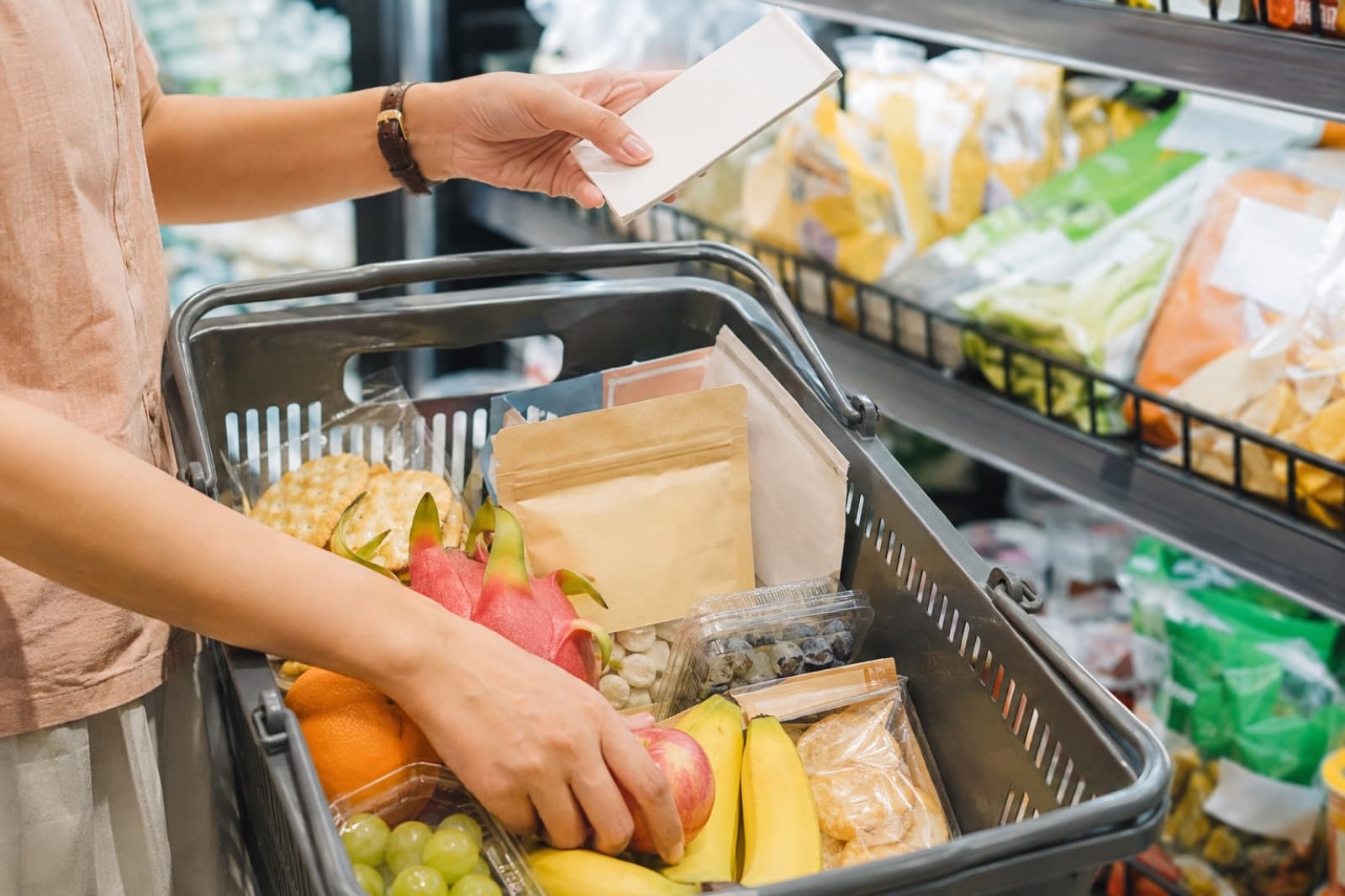
A balanced lunch should include protein, carbohydrates, healthy fats, fruits, and vegetables. Here's a breakdown of wheat-free options for each category:
* Protein: Grilled chicken, turkey slices, ham, hard-boiled eggs, hummus, beans, lentils, tofu, edamame.
* Carbohydrates: Rice cakes, corn tortillas, sweet potato fries, quinoa, gluten-free bread (ensure it's also wheat-free), fruits, vegetables.
* Healthy Fats: Avocado, nuts and seeds (if allowed by school policy), olive oil-based dressings, coconut yogurt.
* Fruits: Apples, bananas, berries, grapes, oranges, melon.
* Vegetables: Carrot sticks, cucumber slices, bell pepper strips, cherry tomatoes, broccoli florets.
Tip: Presentation matters! Use fun cookie cutters to shape sandwiches or arrange food in colorful patterns.
Wheat-Free Lunchbox Ideas
Here are some specific lunchbox combinations to get you started:
* Turkey and Avocado Roll-Ups: Spread avocado on rice paper, add sliced turkey, and roll up. Serve with carrot sticks and a side of grapes.
* Hummus and Veggie Plate: Pack hummus with cucumber slices, bell pepper strips, and cherry tomatoes. Include gluten-free crackers or rice cakes for dipping.
* Chicken Salad Lettuce Wraps: Make chicken salad with mayonnaise and grapes. Serve in lettuce cups for a light and refreshing lunch.
* Quinoa Salad with Black Beans and Corn: Combine cooked quinoa with black beans, corn, diced bell peppers, and a lime vinaigrette.
* Leftovers! Dinner can easily become lunch. Ensure all leftovers are stored properly and safe for consumption.
Remember to always double-check labels to ensure all ingredients are wheat-free. Many products contain hidden wheat, so vigilance is key. For example, while are Oreos safe for wheat allergies? and are Cheerios safe for wheat allergies? are often asked questions, it is critical to independently verify this information based on the current packaging.
Navigating Snacks and Treats
Snacks are essential for keeping kids energized throughout the school day. Choose wheat-free options such as:
* Fruits and Vegetables: Applesauce pouches, banana chips, dried fruit, baby carrots, celery sticks with peanut butter (if allowed).
* Nuts and Seeds: Trail mix (ensure it's wheat-free and school-safe regarding nut allergies), sunflower seeds, pumpkin seeds.
* Wheat-Free Snacks: Gluten-free pretzels, rice cakes, popcorn, certain brands of potato chips (check labels carefully - Are Lays Chips safe for wheat allergies?).
For treats, consider baking your own wheat-free cookies or brownies. There are many delicious recipes available online. Be aware of popular snacks like Is KitKat safe for wheat allergies?, Is Pop-Tarts safe for wheat allergies?, Is Goldfish Crackers safe for wheat allergies?, Is Doritos safe for wheat allergies?, and Is Ritz Crackers safe for wheat allergies? which generally are not safe, but always verify the specific product.
Tip: Involve your child in choosing snacks and packing their lunch. This can help them feel more in control and excited about their meals.
Communicating with the School
Clear communication with the school is vital for your child's safety.
* Meet with school staff: Discuss your child's allergy with the teacher, school nurse, and cafeteria staff. Provide them with a copy of your child's allergy action plan.
* Review lunchroom policies: Understand the school's policies regarding food allergies, including procedures for handling allergic reactions.
* Label everything clearly: Label your child's lunchbox and all containers with their name and "Wheat Allergy."
* Consider a 504 plan: If your child's allergy significantly impacts their school experience, consider developing a 504 plan to ensure they receive the necessary accommodations.
Here's a checklist to help you stay organized:
| Task | Completed | Notes |
|---|---|---|
| Meet with school staff | Schedule a meeting with the teacher, nurse, and cafeteria staff. | |
| Provide allergy action plan | Ensure the school has a copy of your child's allergy action plan. | |
| Review lunchroom policies | Understand the school's policies regarding food allergies. | |
| Label lunchbox and containers | Clearly label everything with your child's name and "Wheat Allergy." | |
| Pack safe snacks and meals | Refer to Browse all Wheat-free recipes for inspiration. | |
| Teach child about allergy | Ensure your child understands their allergy and knows how to recognize symptoms and ask for help. |
Ready to Simplify Allergy-Safe Cooking?
Safe Plated plans your meals, checks every ingredient, and makes sure nothing slips through. Every recipe is AI-generated with smart substitutions and independently audited.
Allergy Disclaimer — Safe Plated Pte. Ltd.
This content is AI-generated by Safe Plated for informational purposes only. AI can make errors, omit critical information, or produce inaccurate statements. Always verify allergen safety with physical product labels, medical professionals, and authoritative sources. This is not medical advice.
Put this advice against the label in front of you
Paste the ingredient text and choose what you avoid. Safe Plated highlights the exact recognised terms for a transparent second pass—free, private, and without an account.
Get one practical idea each week
Allergy-aware planning tips and free tools. No inflated promises, no spam.
One practical tip each week. Unsubscribe anytime. See our privacy policy.