How to Pack a Peanut-Free School Lunch Kids Will Love
Allergy-safe school lunches kids crave! Discover tasty, peanut-free recipes & packing tips. Avoid peanut allergens & make lunch fun!
How to Pack a Peanut-Free School Lunch Kids Will Love
Sending your child off to school with a safe and delicious lunch is a top priority for parents managing food allergies. Peanut allergies can make lunch packing feel like navigating a minefield. But with careful planning and creative ideas, you can create peanut-free lunches that your kids will actually enjoy. This guide provides practical tips and inspiration to make packing peanut-free lunches easier and more fun.
Understanding Peanut Allergies in the School Environment
Peanut allergies are among the most common and potentially severe food allergies in children. Cross-contamination is a major concern in schools. Even trace amounts of peanuts can trigger a reaction in sensitive individuals. It's crucial to understand the school's allergy policies and communicate effectively with teachers and staff.
Tip: Schedule a meeting with your child's teacher and school nurse to discuss your child's allergy action plan. Ensure they know how to recognize and respond to allergic reactions.
Educate your child about their allergy and teach them to advocate for themselves. They need to know not to share food, to read labels (when possible), and to immediately report any symptoms of a reaction.
Warning: Never assume a product is safe just because it has been safe in the past. Ingredients and manufacturing processes can change. Always check the label every time.
Delicious and Nutritious Peanut-Free Lunch Ideas
Think beyond the traditional peanut butter and jelly sandwich! There are countless delicious and nutritious alternatives that your child will love. Variety is key to keeping lunches interesting and preventing boredom.
Sandwich & Wrap Alternatives:
* Deli Meat & Cheese: Turkey, ham, or roast beef with cheese slices on whole-wheat bread or in a wrap. Consider adding lettuce, tomato, or cucumber for extra nutrients.
* Hummus & Veggie Wrap: Spread hummus on a whole-wheat tortilla and fill it with colorful veggies like carrots, bell peppers, and spinach.
* SunButter & Jelly: Sunflower seed butter (SunButter) is a great peanut butter alternative. Make sure the jelly is also peanut-free.
* Cream Cheese & Cucumber: A simple and refreshing option, especially during warmer months.
Non-Sandwich Options:
* Pasta Salad: Prepare a pasta salad with gluten-free pasta, veggies, and a peanut-free dressing.
* Chicken Skewers: Grilled or baked chicken pieces served with a peanut-free dipping sauce.
* Quesadillas: Cheese quesadillas with beans or shredded chicken.
* Leftovers: Pack leftovers from dinner, such as chili, soup, or stir-fry.
Snacks & Sides:
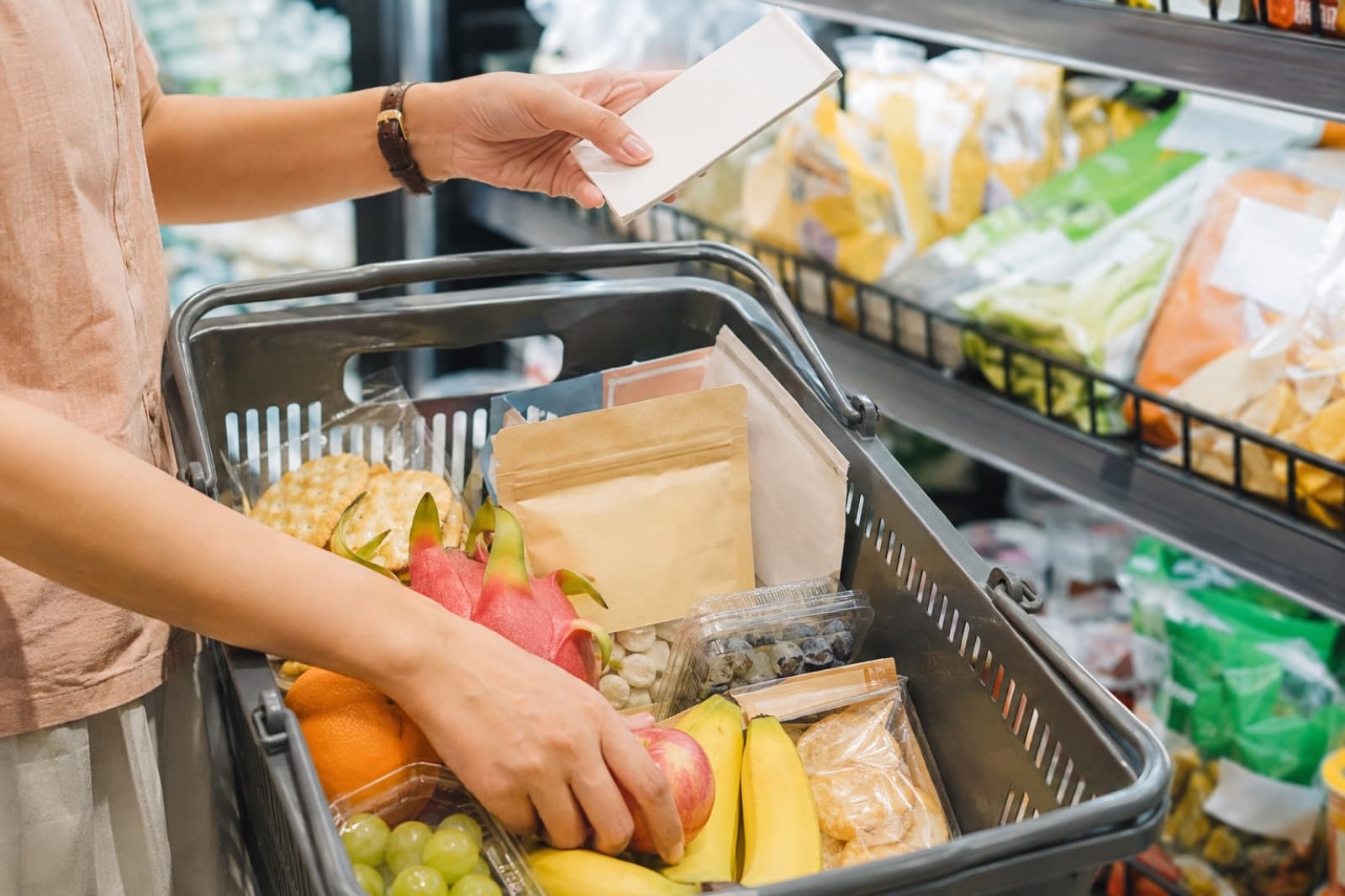
* Fruits & Vegetables: Apple slices, grapes, berries, carrots, celery sticks, cucumber slices.
* Yogurt: Choose plain yogurt and add your own fruit for a healthier option.
* Cheese Sticks: A good source of calcium and protein.
* Crackers: Select peanut-free crackers and pair them with cheese or hummus.
* Popcorn: Air-popped popcorn is a healthy and satisfying snack.
* Edamame: A fun and nutritious snack that's high in protein and fiber.
Remember to check all labels carefully. Are M&Ms safe for peanut allergies? Often, no, but it's important to always check.
Packing a Safe Lunch: Essential Steps
Packing a safe lunch requires attention to detail and a commitment to preventing cross-contamination.
- 1Read Labels Meticulously: This is the most crucial step. Check every ingredient list for peanuts and "may contain" warnings. Be aware that peanuts can be hidden under different names, such as groundnuts.
- 2Avoid Cross-Contamination: Use separate cutting boards, utensils, and containers for preparing your child's lunch. Thoroughly wash all surfaces and utensils with soap and water after preparing any food containing peanuts.
- 3Choose Safe Brands: Research brands that are known to be peanut-free and have strict manufacturing processes. Some brands may be safer than others. Be aware of the manufacturing location as well.
- 4Pack in Dedicated Lunchboxes: Use a dedicated lunchbox and reusable containers that are only used for your child's allergy-safe foods. This helps minimize the risk of cross-contamination.
- 5Include a Note: Consider including a note in your child's lunchbox reminding them not to share food and to double-check ingredients with a trusted adult if they are unsure.
- 6Communicate with the School: Maintain open communication with the school staff. Inform them of any new foods you are sending and ask them to be vigilant about monitoring your child's lunch environment.
Creating a Peanut-Free Lunch Packing Checklist
Use this checklist to ensure you are packing a safe and delicious peanut-free lunch every time.
| Item | Description | Checked |
|---|---|---|
| Main Course | Sandwich, wrap, pasta salad, or leftovers. Ensure it is peanut-free and appealing to your child. | |
| Fruit or Vegetable | Choose a variety of colorful fruits and vegetables. | |
| Protein Source | Cheese, yogurt, hummus, chicken, or beans. | |
| Snack | Peanut-free crackers, popcorn, or edamame. | |
| Drink | Water, juice, or milk (ensure it is safe and appropriate for your child). | |
| Utensils | Include necessary utensils. | |
| Napkin | ||
| Allergy Action Plan | Ensure a copy of your child's allergy action plan is readily available to school staff. | |
| Safe Treat (Optional) | A small peanut-free treat to make lunch extra special. Be sure to consider Is Twix safe for peanut allergies? when selecting a treat. It is often NOT safe. |
Addressing Common Concerns and Challenges
Packing peanut-free lunches can present some challenges. Here are some solutions to common concerns:
* Limited Options: Expand your repertoire by exploring new recipes and ingredients. Browse all Peanut-free recipes on our site for inspiration.
* Picky Eaters: Involve your child in the lunch-packing process. Let them choose from a selection of safe options.
* Cost: Plan your meals around sales and buy in bulk when possible. Prepare lunches in advance to save time and money.
* Birthday Parties and Class Treats: Communicate with the teacher about providing safe alternatives for your child during celebrations.
Tip: Batch cooking on the weekend can save you time during the busy week. Prepare several portions of pasta salad, chili, or other lunch items and store them in the refrigerator or freezer.
It’s also crucial to be aware of potential cross-contamination in common foods. For example, Is Nutella safe for peanut allergies? The answer is usually no, due to the risk of cross-contamination. Always read the label carefully. Similarly, Is Snickers safe for peanut allergies? No, and it's a very obvious one.
Ready to Simplify Allergy-Safe Cooking?
Safe Plated plans your meals, checks every ingredient, and makes sure nothing slips through. Every recipe is AI-generated with smart substitutions and independently audited.
Allergy Disclaimer — Safe Plated Pte. Ltd.
This content is AI-generated by Safe Plated for informational purposes only. AI can make errors, omit critical information, or produce inaccurate statements. Always verify allergen safety with physical product labels, medical professionals, and authoritative sources. This is not medical advice.
Put this advice against the label in front of you
Paste the ingredient text and choose what you avoid. Safe Plated highlights the exact recognised terms for a transparent second pass—free, private, and without an account.
Get one practical idea each week
Allergy-aware planning tips and free tools. No inflated promises, no spam.
One practical tip each week. Unsubscribe anytime. See our privacy policy.