
How to Pack a Dairy-Free School Lunch Kids Will Love
Dairy-free school lunch ideas kids will actually eat! Easy, healthy & delicious recipes, free from dairy allergens. Pack a lunch they'll love!
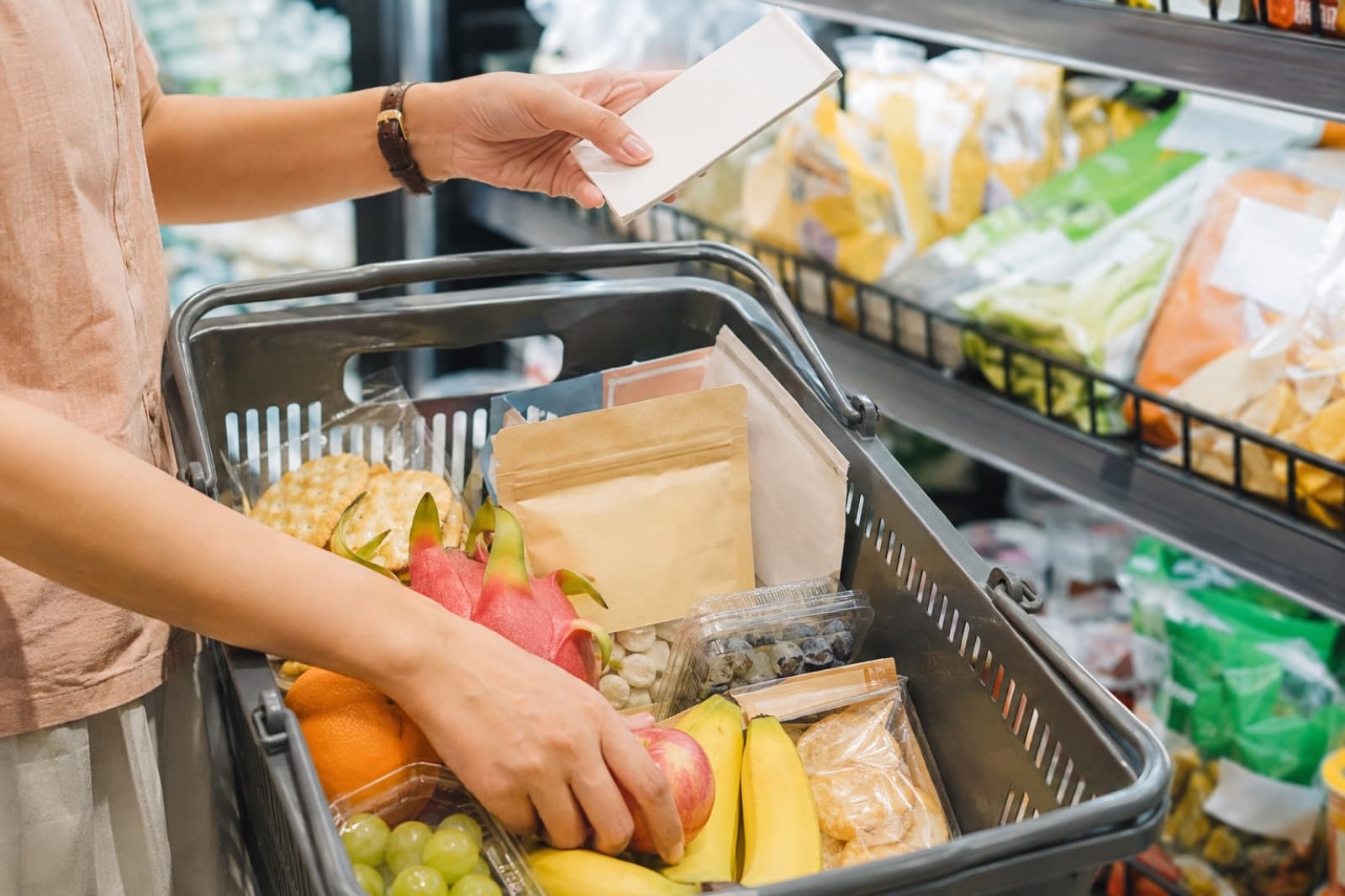
How to Pack a Dairy-Free School Lunch Kids Will Love
Sending your child to school with a dairy allergy can feel overwhelming. You want to ensure they have a safe, delicious, and satisfying lunch that they'll actually eat. We understand the challenges and are here to help you pack a lunchbox that will make you and your child feel confident and happy. Let's dive into some practical tips and ideas.
Understanding Dairy-Free Lunch Essentials
The first step in creating a successful dairy-free lunch is knowing what to avoid and what alternatives are available. Dairy is found in many common lunch staples, so careful label reading is crucial.
Tip: Always double-check ingredient lists, even for products you've bought before, as formulations can change.
Common dairy ingredients to watch out for include milk, cheese, yogurt, butter, whey, casein, and lactose. Be aware of hidden sources, like modified milk ingredients, often used as fillers. Luckily, there are many dairy-free substitutes, such as plant-based milks (almond, soy, oat, coconut), vegan cheeses, and dairy-free yogurts.
Warning: Cross-contamination is a real concern. Make sure to use separate cutting boards, utensils, and containers when preparing dairy-free meals to avoid accidental exposure.
Building a Balanced Dairy-Free Lunch
A well-balanced lunch provides the energy and nutrients your child needs to stay focused and active throughout the school day. Aim for a combination of protein, carbohydrates, healthy fats, fruits, and vegetables.
Here's a sample framework for building a dairy-free lunch:
| Component | Example Options |
|---|---|
| Protein | Turkey slices, hummus, dairy-free deli slices, beans, tofu cubes |
| Carbohydrate | Whole-grain bread, crackers, pasta salad, quinoa, rice cakes |
| Healthy Fat | Avocado slices, nuts/seeds (if allowed), dairy-free pesto, olive oil |
| Fruit | Apple slices, berries, grapes, melon chunks, orange segments |
| Vegetable | Carrot sticks, cucumber slices, bell pepper strips, cherry tomatoes |
| Treat (Optional) | Dairy-free cookies, fruit leather, Are Oreos safe for dairy allergies? |
Delicious Dairy-Free Lunch Ideas
Now, let's put the framework into practice with some specific dairy-free lunch ideas that kids will actually enjoy:
* "Lunchable" Style: Pack dairy-free deli slices (turkey, ham, or vegan options), gluten-free crackers, and grapes in separate compartments.
* Hummus and Veggie Wraps: Spread hummus on a whole-wheat tortilla, add chopped veggies (carrots, cucumbers, bell peppers), and roll it up.
* Pasta Salad: Use gluten-free pasta, toss with dairy-free pesto or a vinaigrette dressing, and add chopped vegetables and dairy-free mozzarella.
* Quinoa Bowl: Combine cooked quinoa with black beans, corn, salsa, and avocado. A squeeze of lime adds a zesty flavor.
* Dairy-Free "Grilled Cheese": Use your favorite dairy-free cheese slices and dairy-free butter alternative on whole-wheat bread. Serve with tomato soup (check ingredients for dairy).
* Leftovers: Don't forget about dinner leftovers! Dairy-free chili, stir-fries, or pasta dishes can make excellent lunches.
Don't forget to add a safe and fun treat! Many candies aren't safe, so be sure to check before packing them. Is Snickers safe for dairy allergies? It's always wise to check!
Tip: Get your child involved in the lunch-packing process. Let them choose their favorite fruits, vegetables, and snacks to increase the chances they'll eat their lunch.
Navigating Snacks and Treats
Snacks are an important part of keeping your child satisfied throughout the school day. While many pre-packaged snacks contain dairy, plenty of dairy-free options are available.
Here are some dairy-free snack ideas:
* Fresh fruit (apples, bananas, oranges)
* Vegetable sticks with hummus or dairy-free dip
* Trail mix (nuts, seeds, dried fruit – if allowed)
* Rice cakes with avocado or dairy-free cream cheese
* Popcorn (air-popped or made with dairy-free butter alternative)
* Dairy-free yogurt alternative (check labels carefully)
* Are Pringles safe for dairy allergies? (check individual flavors)
* Is Cheerios safe for dairy allergies?
Warning: Be extra cautious with shared snacks at school events or parties. Ensure your child knows to only eat snacks you have approved.
Communicating with the School
Open communication with your child's school is essential for ensuring their safety and well-being. Inform the school nurse, teachers, and cafeteria staff about your child's dairy allergy and provide them with a list of safe and unsafe foods.
Consider providing the school with a "safe snack list" that they can refer to when offering snacks to students. If your child eats in the cafeteria, work with the staff to identify dairy-free options or arrange for them to bring their own lunch every day.
Tip: Create a laminated card for your child to carry that clearly states their allergy and what to do in case of a reaction.
It's important to remember that navigating food allergies can be a learning process for everyone involved. Be patient, proactive, and persistent in advocating for your child's needs.
Browse all Dairy-free recipes for more inspiration.
Ready to Simplify Allergy-Safe Cooking?
Safe Plated plans your meals, checks every ingredient, and makes sure nothing slips through. Every recipe is AI-generated with smart substitutions and independently audited.
Allergy Disclaimer — Safe Plated Pte. Ltd.
This content is AI-generated by Safe Plated for informational purposes only. AI can make errors, omit critical information, or produce inaccurate statements. Always verify allergen safety with physical product labels, medical professionals, and authoritative sources. This is not medical advice.
Put this advice against the label in front of you
Paste the ingredient text and choose what you avoid. Safe Plated highlights the exact recognised terms for a transparent second pass—free, private, and without an account.
Get one practical idea each week
Allergy-aware planning tips and free tools. No inflated promises, no spam.
One practical tip each week. Unsubscribe anytime. See our privacy policy.