
How Safe Plated Audits Every Recipe for Allergen Safety
Safe Plated audits every recipe! Enjoy meals worry-free. Gluten-free options & strict allergen controls ensure your safety.
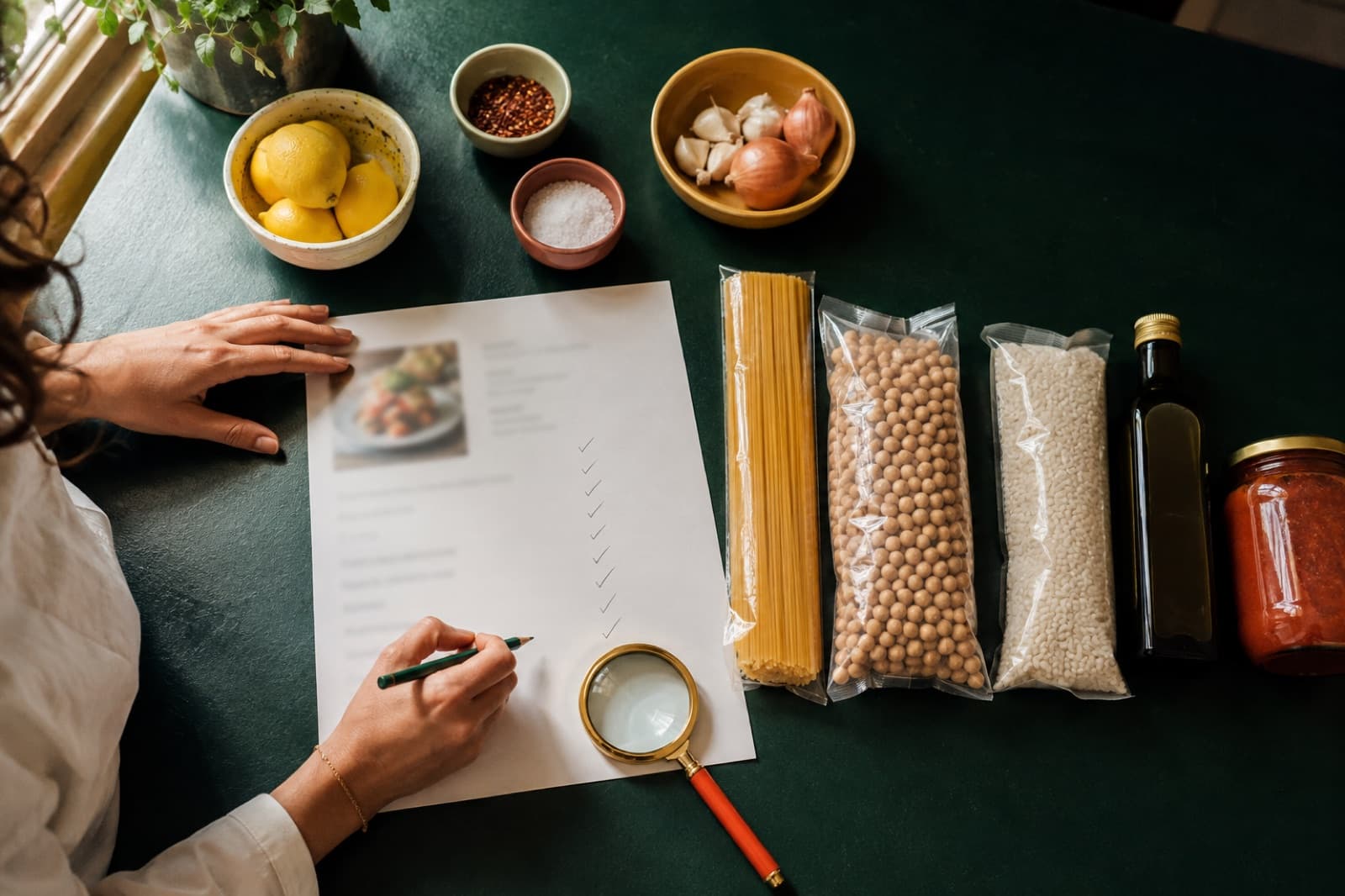
How Safe Plated Audits Every Recipe for Allergen Safety
Managing food allergies in your family can feel like a full-time job. From label reading to scrutinizing restaurant menus, the constant vigilance is exhausting. At Safe Plated, we understand this struggle intimately, and that's why we've built our meal planning app with allergen safety as our absolute top priority. We take the guesswork out of mealtime, so you can focus on enjoying delicious, safe food with your loved ones.
Our Multi-Layered Approach to Allergen Auditing
Our commitment to safety goes far beyond simply tagging recipes as "allergen-free." We employ a multi-layered approach that combines cutting-edge technology with human expertise to ensure the highest level of accuracy. This includes AI-powered recipe generation, smart substitutions, and independent allergen audits.
Tip: Always double-check ingredient labels, even with pre-approved recipes, as manufacturing processes can change.
Here's a breakdown of our process:
- 1AI-Powered Recipe Generation: We utilize advanced AI algorithms to create delicious and diverse recipes that can be customized to accommodate various allergies and dietary restrictions. Our system is trained on a vast database of allergen information, allowing it to create recipes that are inherently less likely to contain common allergens.
- 1Smart Substitutions: Our app automatically suggests safe and readily available substitutions for ingredients that contain allergens. For example, if a recipe calls for cow's milk, the app will suggest alternatives like almond milk, oat milk, or soy milk, depending on your specific allergies and preferences. We want to make sure your favorite meals can still be made safely, even with dietary limitations.
- 1Ingredient Cross-Referencing: Every ingredient in our recipes is meticulously cross-referenced against a comprehensive allergen database. This database is constantly updated to reflect the latest information from manufacturers and regulatory agencies. This helps to identify any potential hidden allergens or cross-contamination risks.
- 1Independent Allergen Audits: After a recipe is generated and substitutions are made, it undergoes a rigorous audit by our team of experienced food allergy professionals. These experts carefully review each ingredient and step in the recipe to ensure that it is truly safe for individuals with the specified allergies. They also consider potential cross-contamination risks during preparation and cooking.
Warning: Always inform restaurants about your allergies, even when ordering from a menu that appears safe.
Understanding Our Allergen Database
Our allergen database is the backbone of our safety system. It includes detailed information on a wide range of allergens, including the "Big 9" (milk, eggs, fish, shellfish, tree nuts, peanuts, wheat, sesame, and soy) as well as many other less common allergens. We also track information on potential cross-reactivity between different allergens, which can be crucial for individuals with multiple allergies.
For example, some people with peanut allergies may also react to tree nuts. Our database helps us identify and flag recipes that contain ingredients that could pose a risk to these individuals. You can browse allergen-free recipes to see how we filter for specific needs.
Here's a glimpse of the information we track for each allergen:
| Allergen | Common Sources | Potential Cross-Reactivity | Safe Substitutions (Examples) |
|---|---|---|---|
| Milk | Dairy products (milk, cheese, yogurt, etc.) | Soy (in some cases) | Almond milk, oat milk, coconut milk, rice milk |
| Eggs | Baked goods, mayonnaise, sauces, processed foods | Poultry (in rare cases) | Applesauce, flaxseed meal, mashed banana |
| Peanuts | Peanut butter, nuts, candies, sauces | Tree nuts (in some cases), lupin | Sunflower seed butter, soy nut butter, tahini |
| Tree Nuts | Almonds, walnuts, pecans, cashews, etc. | Peanuts (in some cases) | Sunflower seeds, pumpkin seeds, flax seeds |
| Wheat | Bread, pasta, cereals, baked goods | Barley, rye | Rice flour, almond flour, tapioca flour, gluten-free blends |
| Soy | Soy sauce, tofu, edamame, processed foods | Milk (in some cases) | Coconut aminos, sunflower seed butter, tahini |
This is just a small sample of the information we track. Our database is constantly evolving to provide the most accurate and up-to-date information possible.
Real-World Examples of Our Auditing Process
Let's look at some real-world examples of how our auditing process works. Imagine a recipe for chocolate chip cookies. The initial recipe might include ingredients like butter (dairy), eggs, and wheat flour.
Our AI would identify these as potential allergens and suggest substitutions. For example, it might suggest using dairy-free butter, flax eggs, and gluten-free flour. This is also important when considering snacks, such as Is Nutella safe for dairy allergies? or Is Nutella safe for soy allergies?
However, the audit doesn't stop there. Our food allergy professionals would then review the recipe to ensure that the substitutions are appropriate and that there are no other hidden allergens present. For example, they might check to see if the dairy-free butter contains any hidden milk derivatives or if the gluten-free flour is processed in a facility that also handles wheat. Similarly, when considering packaged foods, it's important to be aware of potential cross-contamination. For example, Is Cheerios safe for dairy allergies? is a common question, and we make sure to provide clear, accurate information.
Tip: When baking, always use separate utensils and baking sheets to avoid cross-contamination.
Another example: a recipe for a stir-fry. Soy sauce is a common ingredient, but it's obviously a problem for those with soy allergies. Our AI might suggest coconut aminos as a substitute. However, an auditor might also flag the use of peanut oil, suggesting an alternative like canola or sunflower oil, particularly if the recipe isn't already marked as peanut-free. This helps to ensure that even seemingly safe recipes are thoroughly vetted.
Finally, we also consider the potential for cross-contamination in the kitchen. We provide tips and guidance on how to properly clean and sanitize surfaces and utensils to prevent accidental exposure to allergens.
Empowering You to Make Informed Decisions
Ultimately, our goal is to empower you to make informed decisions about the food you and your family eat. We understand that every individual's allergies are unique, and that what is safe for one person may not be safe for another. That's why we provide detailed information about every ingredient in our recipes, so you can make the best choices for your specific needs.
We also encourage you to consult with your doctor or a registered dietitian to develop a personalized meal plan that meets your individual dietary requirements.
Ready to Simplify Allergy-Safe Cooking?
Safe Plated plans your meals, checks every ingredient, and makes sure nothing slips through. Every recipe is AI-generated with smart substitutions and independently audited.
Allergy Disclaimer — Safe Plated Pte. Ltd.
This content is AI-generated by Safe Plated for informational purposes only. AI can make errors, omit critical information, or produce inaccurate statements. Always verify allergen safety with physical product labels, medical professionals, and authoritative sources. This is not medical advice.
Put this advice against the label in front of you
Paste the ingredient text and choose what you avoid. Safe Plated highlights the exact recognised terms for a transparent second pass—free, private, and without an account.
Get one practical idea each week
Allergy-aware planning tips and free tools. No inflated promises, no spam.
One practical tip each week. Unsubscribe anytime. See our privacy policy.