
Hidden Sources of Soy in Common Foods
Hidden soy sources in common foods can trigger allergies! Learn to spot them and avoid allergens.
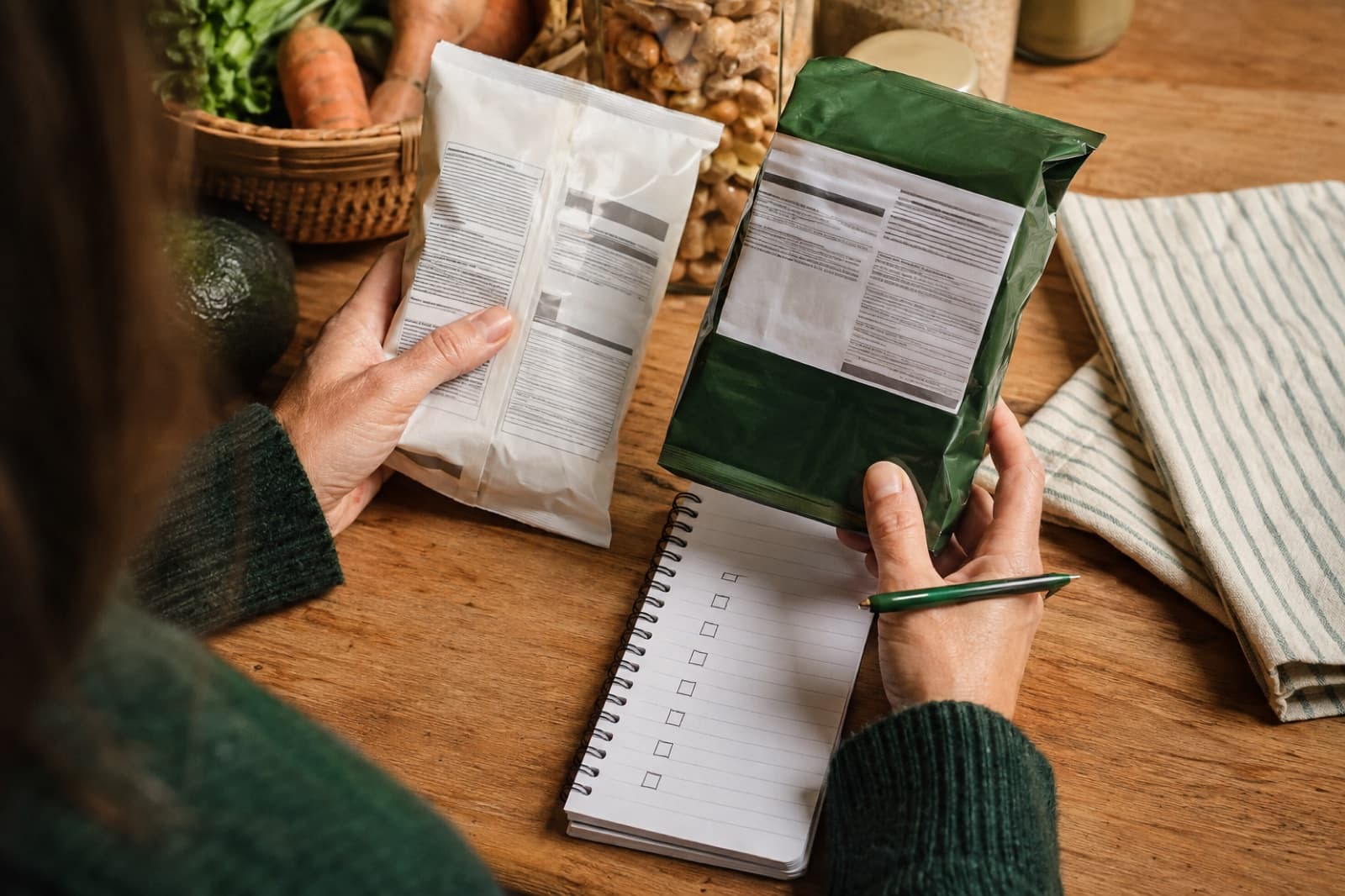
Hidden Sources of Soy in Common Foods
Navigating food allergies, especially soy, can feel like detective work. Soy is a common ingredient in many processed foods, and it can be surprisingly difficult to avoid. This guide will help you identify those sneaky sources and keep your family safe.
We understand the challenges, and we're here to help you feel confident in your choices. Remember, you're not alone in this journey.
Understanding Soy's Many Names
Soy often hides behind different names on ingredient labels. Becoming familiar with these aliases is crucial for effective avoidance.
Here's a list of common soy-derived ingredients to watch out for:
| Ingredient | Description |
|---|---|
| Soy Lecithin | Emulsifier, often found in chocolate, baked goods, and processed foods. |
| Soy Protein Isolate/Concentrate | Added to increase protein content; common in protein bars and meat alternatives. |
| Vegetable Oil | Can be soybean oil; always check if unspecified. |
| Hydrolyzed Vegetable Protein (HVP) | Flavor enhancer; can be derived from soy. |
| Mono- and Diglycerides | Emulsifiers; can be derived from soy. |
| Textured Vegetable Protein (TVP) | Meat substitute; almost always soy-based. |
| Edamame | Whole soybeans. |
| Miso | Fermented soybean paste; used in Japanese cuisine. |
| Natto | Fermented soybeans. |
| Tamari | Soy sauce alternative; often contains soy. |
| Tofu | Soybean curd. |
Tip: Always read ingredient labels carefully, even on products you've purchased before, as formulations can change.
Soy Lurking in Unexpected Places
Beyond the obvious culprits like tofu and soy sauce, soy can be found in surprising items. Many processed foods use soy lecithin or soybean oil. Even some candies contain soy.
For example, many parents wonder, Is M&Ms safe for soy allergies? The answer is complicated, and depends on the type of M&M. Similarly, Is Oreos safe for soy allergies? The answer is also complex. Reading labels is key.
Here are some common food categories where soy often hides:
* Baked Goods: Bread, crackers, cookies, cakes, and pastries may contain soy lecithin or soybean oil. Even seemingly simple snacks like Is Goldfish Crackers safe for soy allergies? can be problematic.
* Processed Meats: Hot dogs, sausages, and deli meats can use soy protein as a binder or filler.
* Sauces and Dressings: Salad dressings, mayonnaise, ketchup, and mustard may contain soybean oil or soy-based additives.
* Snack Foods: Chips, crackers, and granola bars often contain soy lecithin or soybean oil. Many parents ask us Is Doritos safe for soy allergies?
* Chocolate and Candy: Soy lecithin is a common emulsifier in chocolate and many candies. Is Nutella safe for soy allergies? is a common question we receive.
* Canned Goods: Some canned soups and vegetables may contain soy-based additives.
* Breakfast Foods: Cereals, Is Pop-Tarts safe for soy allergies? and breakfast bars can be sources of hidden soy.
Warning: "Vegetable broth" can sometimes contain hydrolyzed vegetable protein (HVP) derived from soy. Always confirm the source of HVP or avoid products with unspecified vegetable broth.
Strategies for Avoiding Soy
Successfully avoiding soy requires a multi-pronged approach. Diligence at the grocery store, careful communication when eating out, and a well-stocked pantry of safe alternatives are all essential.
* Read Labels Meticulously: This is the most important step. Get familiar with all the names soy might be listed under.
* Contact Manufacturers: If you're unsure about an ingredient, contact the manufacturer directly to confirm whether a product contains soy.
* Cook at Home: Preparing your own meals allows you to control every ingredient. Browse all Soy-free recipes for inspiration.
* Communicate Clearly When Eating Out: Inform restaurant staff about the soy allergy and ask about ingredients and preparation methods. Cross-contamination is always a risk.
* Carry Safe Snacks: Always have safe snacks on hand to avoid being caught unprepared when hunger strikes.
* Consider Soy-Free Alternatives: Explore soy-free versions of common foods like soy sauce (coconut aminos) and milk (almond, oat, or rice milk).
Tip: When dining out, ask if food is cooked in shared oil, as soybean oil is a common frying oil.
Navigating Cross-Contamination Risks
Even with careful label reading, cross-contamination can still be a concern. This is especially true in shared kitchens, restaurants, and manufacturing facilities.
Here are some ways to minimize cross-contamination risks:
* Dedicated Utensils and Cookware: Use separate utensils, cutting boards, and cookware for preparing soy-free meals.
* Thorough Cleaning: Wash all surfaces and equipment thoroughly with soap and water after contact with soy.
* Separate Storage: Store soy-free foods separately from foods that contain soy.
* Read Manufacturing Statements: Look for statements like "May contain soy" or "Processed in a facility that also processes soy." These indicate a risk of cross-contamination.
* Ask About Preparation Methods: When eating out, ask how food is prepared to ensure it doesn't come into contact with soy.
Warning: Be particularly cautious with Asian cuisine, as soy sauce and other soy-based ingredients are commonly used.
Building a Soy-Free Pantry
Creating a well-stocked soy-free pantry will make meal preparation much easier and less stressful.
Here are some essential soy-free pantry staples:
* Soy-Free Oils: Olive oil, coconut oil, avocado oil, and sunflower oil are safe alternatives to soybean oil.
* Soy-Free Sauces: Coconut aminos (a soy sauce alternative), soy-free teriyaki sauce, and soy-free Worcestershire sauce.
* Soy-Free Baking Ingredients: Soy-free flour blends, baking powder, baking soda, and vanilla extract.
* Soy-Free Snacks: Fruits, vegetables, nuts, seeds, and soy-free crackers or chips.
* Soy-Free Protein Sources: Meat, poultry, fish, eggs, beans (check labels for cross-contamination), and soy-free protein powder.
This list is a starting point and can be customized based on your family's preferences and dietary needs. Remember that products change often, so always double-check!
Ready to Simplify Allergy-Safe Cooking?
Safe Plated plans your meals, checks every ingredient, and makes sure nothing slips through. Every recipe is AI-generated with smart substitutions and independently audited.
Allergy Disclaimer — Safe Plated Pte. Ltd.
This content is AI-generated by Safe Plated for informational purposes only. AI can make errors, omit critical information, or produce inaccurate statements. Always verify allergen safety with physical product labels, medical professionals, and authoritative sources. This is not medical advice.
Put this advice against the label in front of you
Paste the ingredient text and choose what you avoid. Safe Plated highlights the exact recognised terms for a transparent second pass—free, private, and without an account.
Get one practical idea each week
Allergy-aware planning tips and free tools. No inflated promises, no spam.
One practical tip each week. Unsubscribe anytime. See our privacy policy.