
Hidden Sources of Shellfish in Common Foods
Hidden Shellfish? 🦀 Find it in unexpected foods! Learn to spot sneaky Crustacean allergens and stay safe.
Hidden Sources of Shellfish in Common Foods
Navigating food allergies can feel like detective work, especially when it comes to shellfish. It's not just about avoiding obvious culprits like shrimp cocktail or lobster bisque. Shellfish can hide in unexpected places, making meal planning a challenge. This guide will help you uncover those hidden sources and keep your family safe.
Decoding Shellfish: What to Look For
Shellfish allergies are among the most common food allergies, and reactions can range from mild to severe. Understanding what constitutes shellfish is the first step in avoiding accidental exposure. The term "shellfish" generally refers to two groups: crustaceans and mollusks.
Crustaceans include shrimp, crab, lobster, and crayfish. Mollusks encompass clams, oysters, mussels, scallops, squid (calamari), octopus, and snails (escargot). Be vigilant about these ingredients, but remember that the potential for cross-contamination also exists.
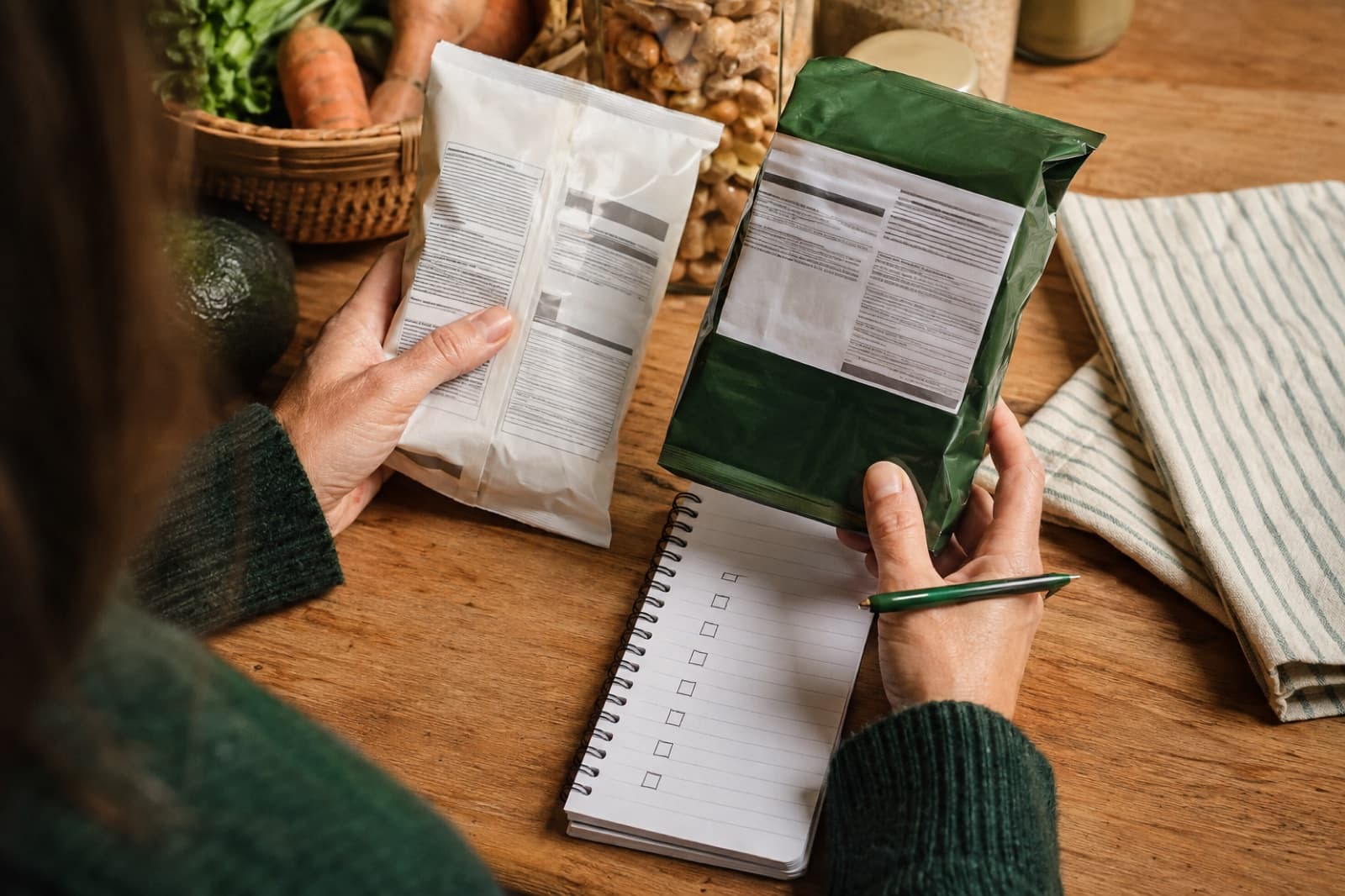
Tip: Always read ingredient labels carefully, even on products you've used before, as formulations can change. Look out for precautionary statements like "may contain shellfish" or "produced in a facility that also processes shellfish."
Unexpected Places Shellfish Might Be Lurking
Shellfish can appear in surprising foods. Many dishes and ingredients may not seem to contain shellfish at first glance, but they can be present as a flavoring agent or due to cross-contamination during manufacturing. Here are some common culprits:
* Seafood Stock and Broth: Many stocks and broths, especially those used in Asian cuisine, can contain shellfish for added flavor. Be extremely cautious when eating out or purchasing pre-made stocks. We've analyzed several popular dishes for shellfish, so be sure to check: Is Laksa safe for shellfish allergies? and Is Hokkien Mee safe for shellfish allergies?.
* Fish Sauce: This popular Southeast Asian condiment is often made with fermented fish, and while it doesn't always contain shellfish directly, cross-contamination is a risk. Always check the label and contact the manufacturer to confirm.
* Worcestershire Sauce: Some brands of Worcestershire sauce contain anchovies, which are fish but may pose a risk for some individuals with severe shellfish allergies due to potential cross-reactivity.
* Caesar Salad Dressing: Traditional Caesar salad dressings often contain anchovies. Always inquire about the ingredients before ordering a Caesar salad at a restaurant.
* Gumbo and Jambalaya: These Southern dishes frequently contain shrimp, crab, or crawfish.
* Paella: This Spanish rice dish often includes a variety of shellfish.
* Surimi (Imitation Crab Meat): This processed seafood product is made from fish but may be processed in facilities that also handle shellfish, increasing the risk of cross-contamination.
* Pet Food: Some pet foods, particularly those marketed as seafood flavors, may contain shellfish.
* Fertilizers and Plant Foods: Some fertilizers contain shellfish meal. This is more relevant for those who grow their own food.
* Gelatin: While less common, some gelatin products may be derived from seafood sources, including shellfish.
* Asian Cuisine: Be extra cautious with Asian cuisine. Many dishes, such as Char Kway Teow safe for shellfish allergies? and Nasi Lemak safe for shellfish allergies?, might have hidden shellfish. Always ask about ingredients and preparation methods when dining out. We've even reviewed specific products like Is Prima Taste Singapore Chilli Crab safe for shellfish allergies? and Is Prima Taste Laksa safe for shellfish allergies? to help you make informed decisions.
Warning: Cross-contamination is a serious concern. Always inquire about food preparation methods at restaurants to avoid accidental exposure. Ask if separate utensils and cooking surfaces are used for shellfish-free dishes.
Creating a Shellfish-Free Kitchen
Establishing a shellfish-free kitchen is crucial for managing shellfish allergies effectively. Here's a checklist to guide you:
| Item | Action |
|---|---|
| Pantry Audit | Carefully review all food labels in your pantry, refrigerator, and freezer. Discard or donate any items that contain shellfish or have a "may contain" warning if you are highly sensitive. |
| Dedicated Utensils | Designate separate utensils, cutting boards, and cookware for shellfish-free cooking. Color-coding can be helpful. |
| Thorough Cleaning | Wash all surfaces, utensils, and cookware thoroughly with hot, soapy water after preparing shellfish-containing foods. A dishwasher is preferable for cleaning. |
| Separate Storage | Store shellfish-containing foods separately from shellfish-free foods to prevent cross-contamination. Use airtight containers and label them clearly. |
| Hand Washing | Wash your hands thoroughly with soap and water before and after handling food. |
| Read Labels Always | Make it a habit to read food labels every time you shop, even for familiar products. Ingredients can change without notice. |
| Communicate Clearly | Inform family members, friends, and caregivers about the shellfish allergy and the importance of avoiding cross-contamination. |
| Dining Out Strategies | Research restaurants ahead of time and inquire about their allergy policies. Choose restaurants that are knowledgeable and accommodating. Consider bringing your own safe snacks or meals when dining out is unavoidable. See our guides for specific restaurants like Is Din Tai Fung Dumplings safe for shellfish allergies?. |
| Emergency Plan | Have an emergency plan in place in case of accidental exposure. This includes knowing the signs and symptoms of an allergic reaction and having epinephrine auto-injectors readily available. |
Navigating Restaurants and Social Gatherings
Eating out or attending social gatherings can be stressful when managing shellfish allergies. Here are some tips to navigate these situations:
* Call Ahead: Contact the restaurant or host in advance to discuss your allergy and inquire about their ability to accommodate your needs.
* Ask Detailed Questions: Don't hesitate to ask detailed questions about ingredients and food preparation methods.
* Communicate Clearly: Clearly communicate your allergy to your server or the host.
* Read Menus Carefully: Scrutinize menus for potential sources of shellfish.
* Consider Bringing Your Own Food: If you're unsure about the safety of the food being served, consider bringing your own safe meal or snack.
* Be Prepared: Carry your epinephrine auto-injectors with you at all times.
* Trust Your Gut: If you're not confident that the food is safe, don't eat it.
Tip: When attending social gatherings, offer to bring a dish that you know is safe for you or your child. This can alleviate some of the stress and ensure that there's at least one option you can enjoy.
Finding Shellfish-Free Recipes and Meal Ideas
Creating delicious and safe meals is possible with a little planning and creativity. There are many resources available to help you find shellfish-free recipes and meal ideas.
* Allergy-Friendly Cookbooks: Look for cookbooks specifically designed for people with food allergies.
* Online Resources: Explore websites and blogs that offer shellfish-free recipes. Browse all Shellfish-free recipes on our site!
* Recipe Adaptations: Adapt your favorite recipes by substituting shellfish with safe alternatives.
* Meal Planning Services: Consider using a meal planning service that caters to food allergies.
Tip: Experiment with different flavors and ingredients to create your own unique shellfish-free dishes.
Ready to Simplify Allergy-Safe Cooking?
Safe Plated plans your meals, checks every ingredient, and makes sure nothing slips through. Every recipe is AI-generated with smart substitutions and independently audited.
Allergy Disclaimer — Safe Plated Pte. Ltd.
This content is AI-generated by Safe Plated for informational purposes only. AI can make errors, omit critical information, or produce inaccurate statements. Always verify allergen safety with physical product labels, medical professionals, and authoritative sources. This is not medical advice.
Put this advice against the label in front of you
Paste the ingredient text and choose what you avoid. Safe Plated highlights the exact recognised terms for a transparent second pass—free, private, and without an account.
Get one practical idea each week
Allergy-aware planning tips and free tools. No inflated promises, no spam.
One practical tip each week. Unsubscribe anytime. See our privacy policy.