
Hidden Sources of Sesame in Common Foods
Sneaky sesame! ⚠️ Discover hidden sources of sesame in common foods. Avoid reactions. Learn where Sesamum indicum hides.
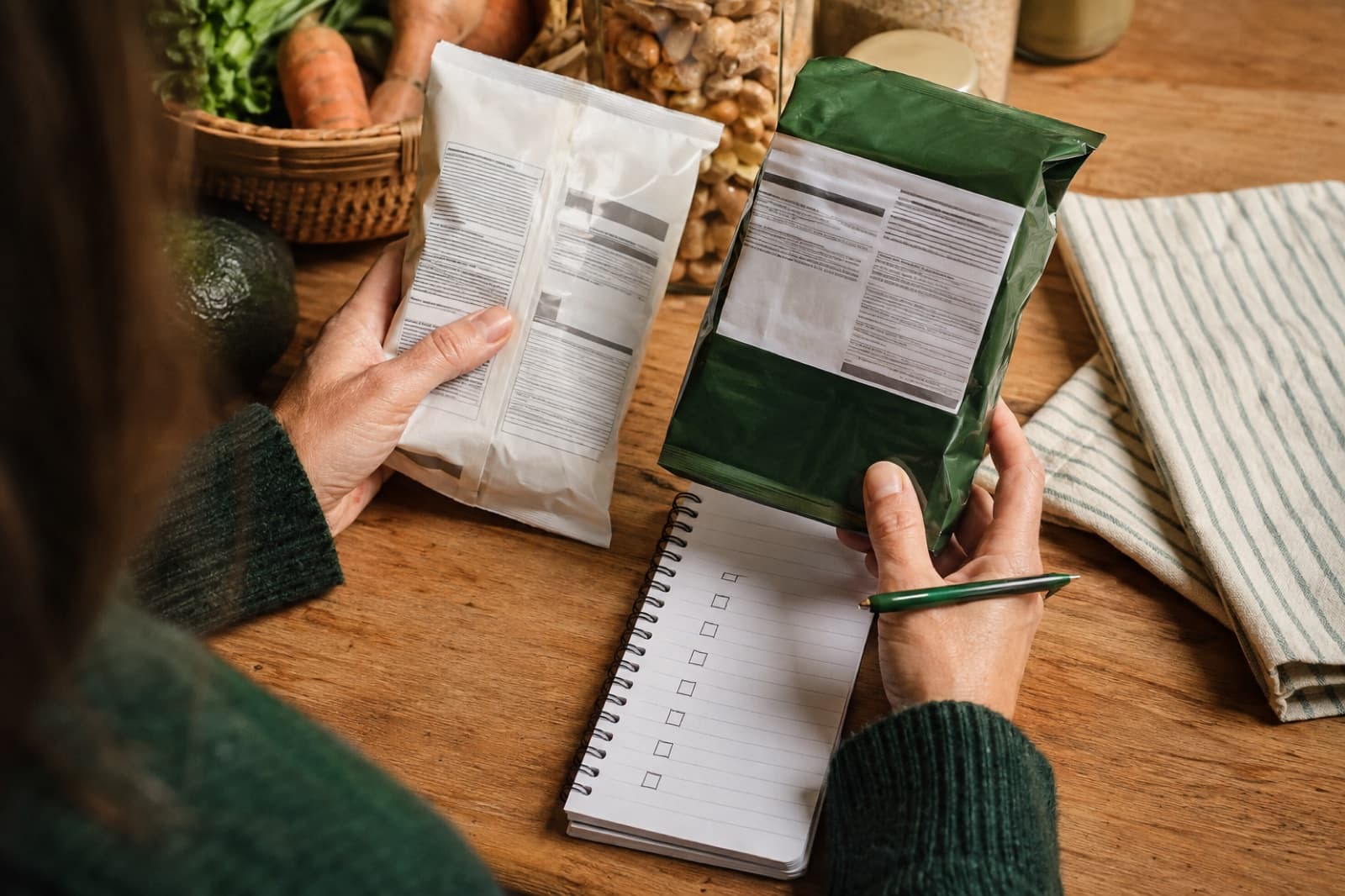
Navigating the world of food allergies can feel like a constant detective game, especially when dealing with sneaky ingredients like sesame. Sesame is one of the most common allergens, and it can hide in the most unexpected places. We're here to equip you with the knowledge you need to confidently protect your family.
Understanding the Sesame Sneak
Sesame allergy is becoming increasingly prevalent, and its presence in a wide range of foods can make avoiding it challenging. It's not always as simple as looking for "sesame seeds." Sesame can be disguised under different names and used in seemingly unrelated products.
Tip: Always read ingredient labels carefully, even on products you've purchased before, as formulations can change.
Common Culprits: Where Sesame Hides
Sesame can lurk in a surprisingly diverse range of foods. Awareness is your first line of defense. Here are some common categories and specific examples to watch out for:
* Baked Goods: Breads (especially hamburger buns, bagels, and naan), crackers, pastries, and even some cookies can contain sesame seeds or sesame oil.
* Asian Cuisine: Sesame oil is a staple in many Asian dishes. Be cautious with stir-fries, noodles, and sauces. For instance, when considering Is Din Tai Fung Fried Rice safe for sesame allergies?, the answer depends on the specific preparation and cross-contamination risks. Similarly, when enjoying Korean BBQ, sesame is often included in marinades and sauces.
* Middle Eastern and Mediterranean Foods: Hummus, tahini (sesame seed paste), baba ghanoush, and halva are all sesame-based.
* Snack Foods: Energy bars, granola bars, trail mixes, and even some chips can contain sesame.
* Sauces and Dressings: Salad dressings, marinades, sauces (like teriyaki), and dips may contain sesame oil or sesame seeds.
* Processed Meats: Some sausages and deli meats use sesame as a binder or flavoring. Always check the label.
* Vegan and Vegetarian Products: Sesame is sometimes used as a protein source or flavor enhancer in meat substitutes and vegan cheeses.
* Cosmetics and Personal Care Products: Sesame oil can be found in some lotions, soaps, and shampoos. While not ingested, contact can cause a reaction in highly sensitive individuals.
Warning: Cross-contamination is a significant concern, especially in restaurants and bakeries. Always inquire about preparation methods and potential allergen exposure.
Decoding the Label: Sesame Aliases
Sesame doesn't always appear as "sesame" on ingredient lists. Here are some other names to watch out for:
* Tahini
* Sesamol
* Sesamum indicum
* Benne, benne seed, benniseed (older terms, but still possible)
* Gingelly, gingelly oil (common in some regions)
Tip: If you're unsure about an ingredient, contact the manufacturer to clarify whether it contains sesame.
Navigating Restaurants and Takeout
Eating out with a sesame allergy requires careful planning and communication.
* Research: Before you go, check the restaurant's menu online and look for potential sesame-containing dishes.
* Communicate: Inform your server about the allergy and emphasize the importance of avoiding sesame in your meal. Ask about preparation methods and potential cross-contamination.
* Be Specific: Don't just say "I'm allergic to sesame." Explain that sesame oil, seeds, and tahini are all problematic.
* Ask About Substitutions: See if the restaurant can substitute sesame-containing ingredients with safe alternatives.
* Consider Safer Options: Choose dishes that are less likely to contain sesame, such as plain grilled meats or steamed vegetables.
* Be Wary of Sauces: Sauces are often a hidden source of sesame. Ask for sauces on the side so you can control the amount you use or avoid them altogether.
For example, ordering Hainanese Chicken Rice can be risky because sesame oil is commonly used in the preparation of the chicken and sauces. Similarly, Is Satay safe for sesame allergies? is a crucial question to ask, as many satay sauces contain sesame.
A Quick Reference Guide
This checklist can help you quickly assess the potential risk of sesame in various situations:
| Situation | Questions to Ask |
|---|---|
| Buying Packaged Foods | Does the label list sesame, tahini, or any other sesame-related ingredient? Has the product been manufactured in a facility that also processes sesame? |
| Eating at a Restaurant | Does this dish contain sesame oil, seeds, or tahini? How is this dish prepared? Is there a risk of cross-contamination with sesame? Can you substitute sesame-containing ingredients? |
| Ordering Takeout | What ingredients are used in this dish? Can you guarantee that this dish is sesame-free? Are there any potential cross-contamination risks during preparation and delivery? |
| Trying a New Recipe at Home | Does this recipe call for sesame oil, seeds, or tahini? Can I substitute these ingredients with safe alternatives? |
| Using Cosmetics or Personal Care | Does the product contain sesame oil or any other sesame-derived ingredient? If so, is there an alternative product I can use? |
Tip: When in doubt, err on the side of caution and avoid the food or product.
Finding Sesame-Free Recipes and Alternatives
Don't let a sesame allergy limit your culinary horizons! There are plenty of delicious and safe alternatives to sesame-containing ingredients.
* Sunflower Seeds: Sunflower seed butter can be a great substitute for tahini in some recipes.
* Pumpkin Seeds: Pumpkin seeds (pepitas) can add a nutty flavor and texture to dishes.
* Other Oils: Use olive oil, avocado oil, or coconut oil in place of sesame oil.
* Nut Butters: Depending on other allergies, almond butter, cashew butter, or other nut butters can be used as substitutes.
And remember, Safe Plated is here to help! You can Browse all Sesame-free recipes on our site for delicious and safe meal ideas. Our platform makes it easy to create personalized meal plans that cater to your family's specific dietary needs. We're constantly adding new recipes and resources to support you on your allergy-safe journey. When considering dishes like Is Bee Cheng Hiang Bak Kwa safe for sesame allergies? or Is Rojak safe for sesame allergies? that are known to commonly contain sesame, finding alternative recipes is key. When in doubt about restaurant choices like Is Din Tai Fung Xiao Long Bao safe for sesame allergies? or even Is McDonalds Big Mac safe for sesame allergies? you can check our guides or contact the restaurant directly.
Ready to Simplify Allergy-Safe Cooking?
Safe Plated plans your meals, checks every ingredient, and makes sure nothing slips through. Every recipe is AI-generated with smart substitutions and independently audited.
Allergy Disclaimer — Safe Plated Pte. Ltd.
This content is AI-generated by Safe Plated for informational purposes only. AI can make errors, omit critical information, or produce inaccurate statements. Always verify allergen safety with physical product labels, medical professionals, and authoritative sources. This is not medical advice.
Put this advice against the label in front of you
Paste the ingredient text and choose what you avoid. Safe Plated highlights the exact recognised terms for a transparent second pass—free, private, and without an account.
Get one practical idea each week
Allergy-aware planning tips and free tools. No inflated promises, no spam.
One practical tip each week. Unsubscribe anytime. See our privacy policy.