Hidden Sources of Peanut in Common Foods
Hidden Peanut sources revealed! Avoid allergic reactions by learning where Peanut lurks in unexpected foods. Stay safe!
Hidden Sources of Peanut in Common Foods
Navigating life with a peanut allergy can feel like a constant detective mission. Peanuts seem to pop up in the most unexpected places. It's not just about avoiding obvious peanut butter sandwiches. Many seemingly safe foods can harbor hidden peanut ingredients or be cross-contaminated during manufacturing. This guide aims to arm you with the knowledge to protect your loved ones and confidently manage their peanut allergy.
Decoding Labels: A Peanut Allergy Parent's Best Friend
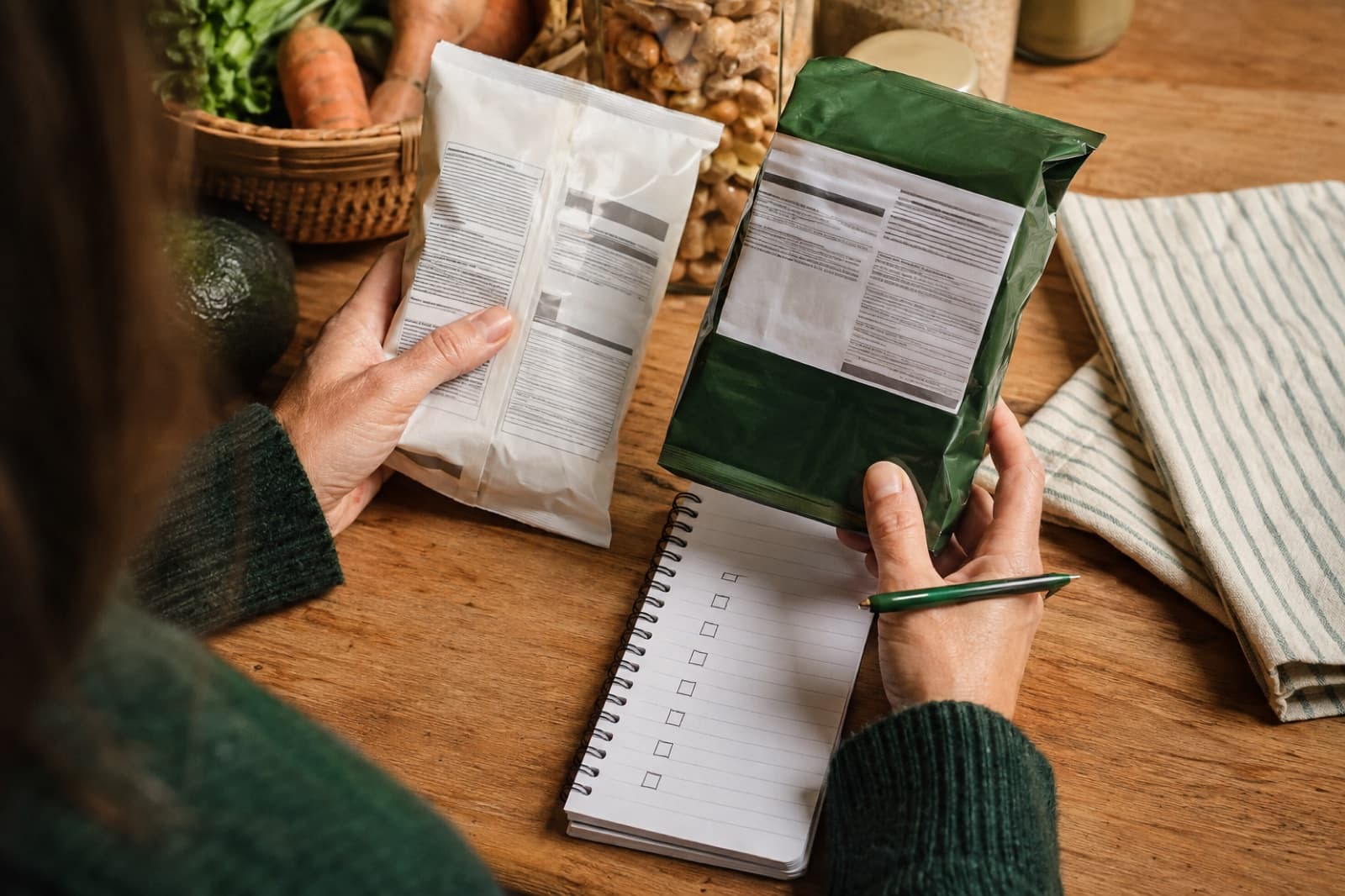
Careful label reading is the single most important tool in your allergy-management arsenal. The Food Allergen Labeling and Consumer Protection Act (FALCPA) requires manufacturers to clearly state the presence of major allergens, including peanuts, in plain language. Look beyond the ingredient list for "Contains" statements.
Tip: Don't rely solely on the "May contain" or "Made in a facility that also processes" statements. These are voluntary and inconsistent. Contacting the manufacturer directly is often the best way to get clarity.
Pay attention to unfamiliar ingredients. Terms like "hydrolyzed vegetable protein" can sometimes be derived from peanuts. Always err on the side of caution and contact the manufacturer if you're unsure. It's better to be safe than sorry.
Unexpected Culprits: Where Peanuts Lurk in Disguise
Beyond obvious sources, peanuts can hide in surprising places. Here are some common culprits to be aware of:
* Asian Cuisine: Many Asian sauces, such as satay, hoisin, and some soy sauces, may contain peanuts or be processed in facilities that handle peanuts. Even seemingly peanut-free dishes can be cross-contaminated. Is Prima Taste Laksa safe for peanut allergies? Check with the restaurant before ordering.
* Candy: While some candies clearly contain peanuts (like Reeses Peanut Butter Cups safe for peanut allergies?), others might have hidden peanut ingredients or be at risk of cross-contamination. Is M&Ms safe for peanut allergies? and Is Snickers safe for peanut allergies? are common concerns for parents. Is Twix safe for peanut allergies? should also be reviewed.
* Baked Goods: Cookies, cakes, and pastries, especially those from bakeries or smaller manufacturers, are often cross-contaminated with peanuts. Always inquire about ingredients and preparation methods.
* Ice Cream: Many ice cream flavors contain peanuts or are made on equipment that also processes peanut-containing products. Be especially cautious with flavors like chocolate, caramel, and cookies and cream.
* Granola Bars & Trail Mix: These seemingly healthy snacks often contain peanuts or are manufactured in facilities that process peanuts. Read labels carefully.
* Sauces and Dressings: Salad dressings, barbecue sauces, and pesto can sometimes contain peanut oil or be cross-contaminated.
* Vegetarian Products: Some vegetarian meat substitutes may use peanuts as a protein source.
Warning: Even if a product was safe in the past, manufacturers can change their ingredients or manufacturing processes. Always double-check the label each time you purchase a product.
Creating a Peanut-Free Kitchen: Minimizing Risk at Home
Creating a safe haven at home is crucial for managing a peanut allergy. Here's a checklist to help you minimize the risk of cross-contamination:
| Area | Action |
|---|---|
| Pantry | Designate a peanut-free shelf or cabinet. Store peanut-containing products separately in airtight containers. |
| Utensils | Use separate cutting boards, knives, and utensils for preparing peanut-free meals. Color-coded systems can be helpful. |
| Cleaning | Thoroughly wash all surfaces, utensils, and cookware with hot, soapy water after preparing peanut-containing foods. |
| Food Prep | Prepare peanut-free meals first to avoid cross-contamination. |
| Shared Jars | Avoid double-dipping into shared jars of condiments like jelly or jam, as this can easily transfer peanut residue. |
| Appliances | Clean appliances like toasters, blenders, and food processors thoroughly after each use. |
| Handwashing | Everyone in the household should wash their hands thoroughly with soap and water after handling peanut-containing foods. |
Dining Out Safely: Communicating Your Needs
Dining out with a peanut allergy requires careful planning and clear communication. Call the restaurant in advance to inquire about their allergy protocols. Ask about ingredients, preparation methods, and potential cross-contamination risks.
Tip: Speak directly with the chef or manager to ensure your concerns are understood. Be specific about the severity of the allergy.
When ordering, reiterate your allergy to the server and ask them to take extra precautions. Avoid fried foods, as they may be cooked in the same oil as peanut-containing items. Consider choosing restaurants with simpler menus and fewer ingredients.
Finding Safe Recipes and Meal Planning
Planning ahead is essential for managing a peanut allergy. Finding safe and delicious recipes can be a challenge, but it's definitely achievable. Explore online resources, cookbooks, and allergy-friendly food blogs. Browse all Peanut-free recipes for inspiration.
Meal planning can help you avoid last-minute scrambles and ensure that you always have safe options on hand. Batch cooking and freezing meals can also save time and reduce stress.
Is Nutella safe for peanut allergies? and Is Jif Peanut Butter safe for peanut allergies? and Is Skippy Peanut Butter safe for peanut allergies? are common questions when creating meal plans.
Ready to Simplify Allergy-Safe Cooking?
Safe Plated plans your meals, checks every ingredient, and makes sure nothing slips through. Every recipe is AI-generated with smart substitutions and independently audited.
Allergy Disclaimer — Safe Plated Pte. Ltd.
This content is AI-generated by Safe Plated for informational purposes only. AI can make errors, omit critical information, or produce inaccurate statements. Always verify allergen safety with physical product labels, medical professionals, and authoritative sources. This is not medical advice.
Put this advice against the label in front of you
Paste the ingredient text and choose what you avoid. Safe Plated highlights the exact recognised terms for a transparent second pass—free, private, and without an account.
Get one practical idea each week
Allergy-aware planning tips and free tools. No inflated promises, no spam.
One practical tip each week. Unsubscribe anytime. See our privacy policy.