
Hidden Sources of Egg in Common Foods
Hidden EGG in common foods! Learn where this allergen lurks. Avoid accidental exposure & stay safe. Read our guide now!
Hidden Sources of Egg in Common Foods
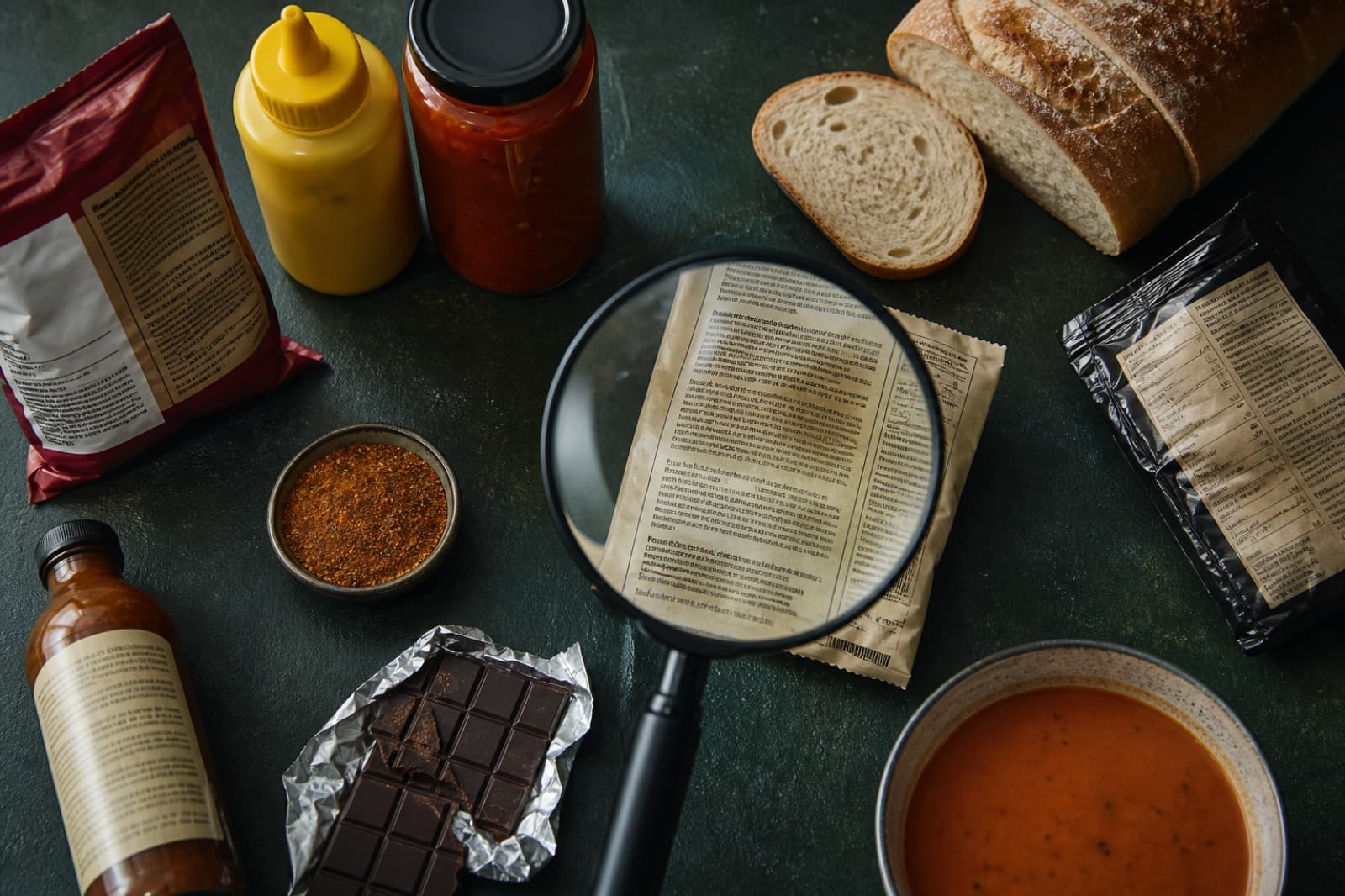
Navigating food allergies can feel like a constant detective game, especially when it comes to egg allergies. Eggs are a common ingredient, and unfortunately, they can sometimes hide in unexpected places. This post will help you uncover those hidden sources of egg and keep your family safe and healthy. We're here to support you every step of the way!
Decoding Ingredient Labels: Egg's Aliases
One of the most important skills for managing an egg allergy is understanding how to read ingredient labels. Manufacturers are required to list common allergens, but egg may appear under different names. Familiarize yourself with these terms:
* Albumin: This is the protein found in egg whites.
* Globulin: Another protein found in eggs.
* Lysozyme: An enzyme derived from egg whites, often used as a preservative.
* Ovalbumin: The main protein in egg white.
* Ovovitellin: A lipoprotein found in egg yolk.
* Simplesse: A fat substitute that can be egg-based.
Tip: Always read the entire ingredient list, even if you've purchased the product before. Ingredients can change!
Sometimes, labels might also use phrases like "egg solids," "dried egg," or "egg powder." If you're unsure about an ingredient, contact the manufacturer directly. It's always better to be safe than sorry.
Surprising Foods That May Contain Egg
Beyond the obvious culprits like omelets and scrambled eggs, many processed foods can contain egg. Here are some common examples:
* Baked Goods: Cakes, cookies, muffins, and pastries often contain egg as a binding agent. Be especially cautious with store-bought items.
* Breads: Some breads, particularly enriched breads like challah or brioche, may contain egg.
* Pasta: Fresh pasta often contains egg to give it a richer texture. Dried pasta is usually egg-free, but always check the label.
* Sauces and Dressings: Mayonnaise is a classic example, but hollandaise, béarnaise, and some salad dressings also contain egg.
* Processed Meats: Egg can be used as a binder in meatloaf, meatballs, and sausages.
* Ice Cream and Frozen Desserts: Some ice cream brands use egg yolks for richness.
* Meringue: This dessert is made from egg whites and sugar.
* Marshmallows: Some brands use egg whites.
* Snack Foods: Surprisingly, even some seemingly safe snacks like Animal Crackers, Pop-Tarts, or even certain flavors of Snickers can contain egg. Always check the label.
* Soups: Some soups, like Soto Ayam, may contain egg.
Warning: Cross-contamination is a serious concern. Be cautious when eating at restaurants or ordering takeout, as egg can easily transfer from one dish to another.
Eating Out Safely with an Egg Allergy
Eating out with an egg allergy requires careful planning and communication. Call the restaurant ahead of time to inquire about their allergy policies and menu options. When you arrive, speak directly with the chef or manager about your allergy. Ask specific questions about ingredients and preparation methods.
Here's a checklist to help you navigate dining out:
| Question | Action |
|---|---|
| Does this dish contain egg? | Confirm with the server and, if possible, the chef. |
| How is this dish prepared? | Ask about potential cross-contamination. |
| Are there egg-free alternatives available? | Explore menu options and substitutions. |
| Can you guarantee no cross-contamination? | Understand the restaurant's ability to accommodate your needs. If they can't guarantee it, choose wisely. |
Tip: Consider carrying an allergy chef card that clearly outlines your dietary restrictions. This can help ensure that your needs are understood.
Always be vigilant and trust your instincts. If you're not comfortable with the restaurant's response, it's best to err on the side of caution and choose another option.
Safe Swaps: Egg Substitutes for Baking and Cooking
Fortunately, there are many excellent egg substitutes available for baking and cooking. Experiment with different options to find what works best for your recipes. Here are a few popular choices:
* Applesauce: Use unsweetened applesauce to replace egg in cakes, muffins, and quick breads. Use ¼ cup of applesauce for each egg.
* Mashed Banana: Mashed banana adds moisture and sweetness to baked goods. Use ½ a mashed banana for each egg.
* Flaxseed Meal: Mix 1 tablespoon of flaxseed meal with 3 tablespoons of water and let it sit for 5 minutes to create a gel. This can be used as an egg substitute in many recipes.
* Chia Seeds: Similar to flaxseed, mix 1 tablespoon of chia seeds with 3 tablespoons of water and let it sit for 5 minutes.
* Commercial Egg Replacers: Several brands offer egg replacers that are specifically designed for baking. Follow the package instructions for best results.
Tip: When using egg substitutes, consider the overall flavor profile of the dish. Some substitutes may impart a slight flavor, so choose one that complements the other ingredients.
Navigating Everyday Life: Practical Tips for Egg Allergy Management
Managing an egg allergy is an ongoing process that requires attention to detail. Here are some practical tips to help you navigate everyday life:
* Read labels carefully: Always read the ingredient list before consuming any food product.
* Educate family and friends: Make sure your loved ones understand the importance of avoiding egg and the potential consequences of exposure.
* Inform school and daycare staff: Work closely with school and daycare staff to ensure that your child's allergy is properly managed.
* Carry epinephrine auto-injectors: Always carry epinephrine auto-injectors and know how to use them in case of an allergic reaction.
* Consider a medical ID bracelet: A medical ID bracelet can alert first responders to your allergy in case of an emergency.
* Join support groups: Connect with other families managing egg allergies for support and advice.
Remember to check out our Browse all Egg-free recipes for safe meal inspiration.
Ready to Simplify Allergy-Safe Cooking?
Safe Plated plans your meals, checks every ingredient, and makes sure nothing slips through. Every recipe is AI-generated with smart substitutions and independently audited.
Allergy Disclaimer — Safe Plated Pte. Ltd.
This content is AI-generated by Safe Plated for informational purposes only. AI can make errors, omit critical information, or produce inaccurate statements. Always verify allergen safety with physical product labels, medical professionals, and authoritative sources. This is not medical advice.
Put this advice against the label in front of you
Paste the ingredient text and choose what you avoid. Safe Plated highlights the exact recognised terms for a transparent second pass—free, private, and without an account.
Get one practical idea each week
Allergy-aware planning tips and free tools. No inflated promises, no spam.
One practical tip each week. Unsubscribe anytime. See our privacy policy.