Food Allergy Travel Checklist: Flying and Holidays
Flying with a food allergy? ✈️ Holiday checklist for safe travel! Includes tips for managing your peanut allergy. 🥜 Enjoy stress-free trips!
Food Allergy Travel Checklist: Flying and Holidays
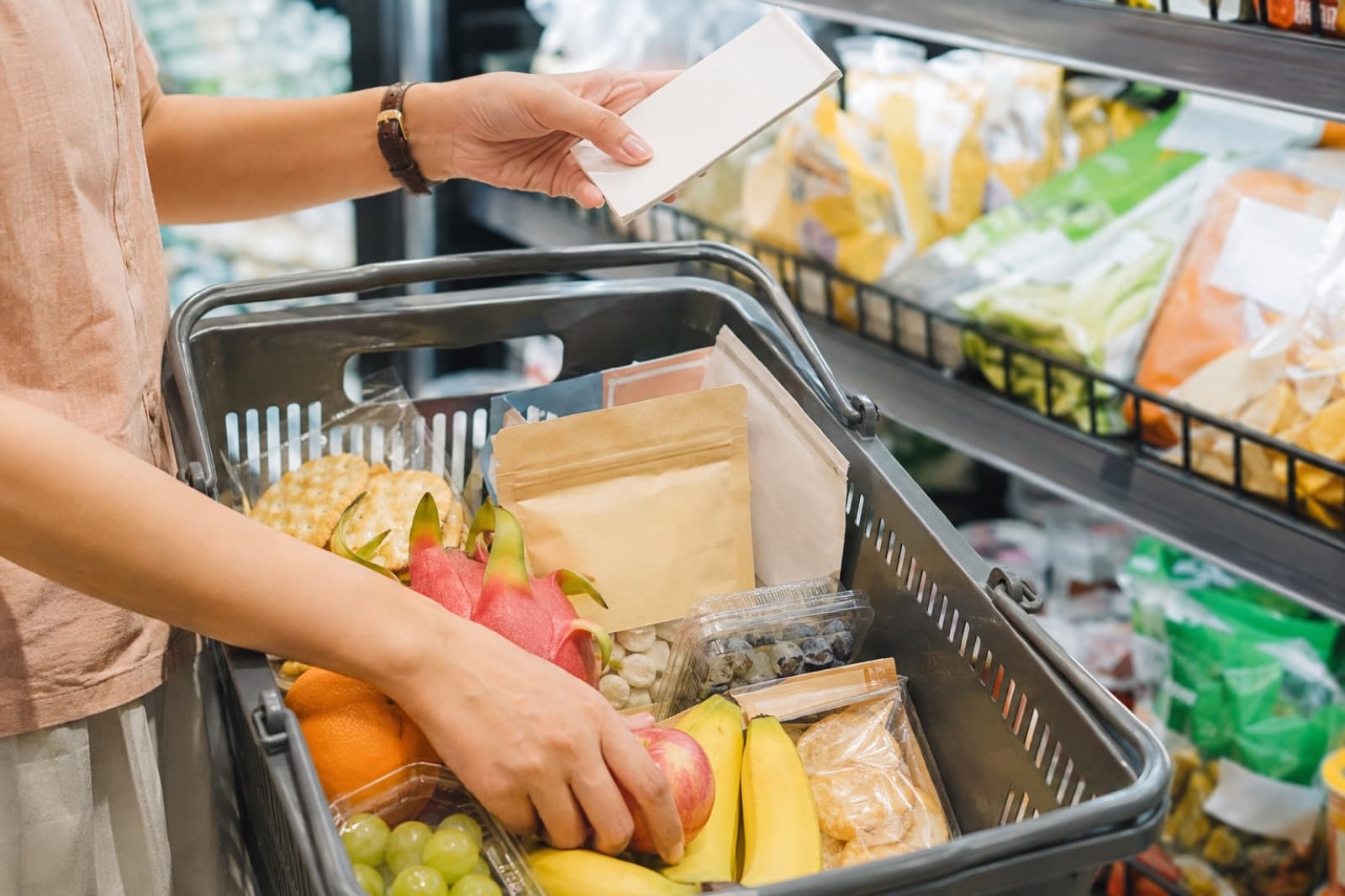
Traveling with food allergies can feel daunting, but with careful planning and preparation, you can ensure a safe and enjoyable trip for your family. This guide provides a comprehensive checklist to help you navigate flying and holidays with food allergies. We understand the stress of managing allergies on the go, and we're here to help you feel confident and prepared.
Pre-Trip Planning: Your Allergy Travel Foundation
The key to a successful allergy-safe trip lies in meticulous planning. Start well in advance to avoid last-minute stress.
* Consult your allergist: Schedule an appointment to discuss your travel plans. Obtain updated prescriptions for epinephrine auto-injectors and any other necessary medications. Ask for a travel letter outlining your child's allergies and required treatments.
* Research your destination: Investigate local grocery stores, restaurants, and healthcare facilities. Look for allergy-friendly options and identify potential risks. Consider cultural differences in food preparation and labeling.
* Accommodation considerations: When booking accommodations, inquire about kitchen facilities and the possibility of requesting allergy-friendly meal preparation. Communicate your allergy requirements clearly and in writing.
* Airline communication: Contact the airline well in advance to inform them about your allergies. Inquire about their allergy policies, including procedures for preventing cross-contamination. Ask if they can provide allergy-friendly meal options or allow you to bring your own food on board.
Tip: Create a laminated allergy card in the local language detailing your child's allergies and emergency contact information.
Packing Your Allergy-Safe Essentials
Packing the right supplies is crucial for managing allergies on the go. Don't leave home without these essentials:
* Medications: Pack epinephrine auto-injectors (at least two), antihistamines, and any other prescribed medications. Ensure they are easily accessible and not stored in checked baggage.
* Safe snacks and meals: Pack a generous supply of safe snacks and meals for the duration of your trip, including travel days. Consider shelf-stable options like granola bars, dried fruit, and nut-free spreads.
* Allergy-friendly wipes and hand sanitizer: Use these to clean surfaces and hands before eating.
* Reading glasses: Essential for reading labels when ingredients are difficult to see, or the ingredient list is in a small font.
* Medical alert bracelet or necklace: Ensure your child wears a medical alert identifying their allergies.
* Travel-sized cleaning supplies: Pack dish soap, sponges, and cleaning wipes to clean surfaces in your accommodation.
* Copies of prescriptions and allergy action plan: Keep copies of your prescriptions and allergy action plan in a separate location from your medications.
* Safe versions of common treats: Traveling during holidays? Pack safe alternatives to holiday treats. For example, if your child has a dairy allergy, consider bringing dairy-free alternatives to popular candies. It's always good to double-check if Is Snickers safe for dairy allergies?. Also, it can be helpful to know if Is M&Ms safe for soy allergies?.
Here's a simple packing checklist:
| Item | Quantity | Notes |
|---|---|---|
| Epinephrine auto-injectors | 2+ | Ensure they are not expired |
| Antihistamines | As prescribed by your doctor | |
| Safe snacks | Enough for travel and initial days | |
| Safe meals | Consider shelf-stable options | |
| Wipes/Hand sanitizer | For cleaning hands and surfaces | |
| Allergy card | In local language (if applicable) | |
| Medical alert ID | 1 | Bracelet or necklace |
| Cleaning supplies | Travel-sized dish soap, sponge, wipes | |
| Prescriptions copies | Paper and digital copies | |
| Allergy action plan | Paper and digital copies |
Navigating Air Travel with Food Allergies
Air travel presents unique challenges for individuals with food allergies. Here's how to minimize risks:
* Confirm airline policies: Reconfirm allergy policies with the airline before your flight. Request pre-boarding to wipe down your seating area.
* Communicate with flight attendants: Inform flight attendants about your allergies upon boarding. Request that they refrain from serving your allergen in the immediate vicinity.
* Wipe down surfaces: Thoroughly wipe down your seat, tray table, armrests, and any other surfaces your child may touch.
* Be prepared for emergencies: Ensure you have your epinephrine auto-injectors readily available and know how to administer them. Alert flight attendants immediately if your child experiences an allergic reaction.
* Consider packing your own food: Even if the airline offers allergy-friendly meals, it's always best to pack your own safe food to avoid potential cross-contamination.
Warning: Be aware that airlines cannot guarantee a completely allergen-free environment. Cross-contamination can occur despite their best efforts.
Eating Out Safely: A Strategic Approach
Dining out with food allergies requires careful planning and communication.
* Research restaurants in advance: Look for restaurants with allergy-friendly menus or those willing to accommodate dietary restrictions. Check online reviews for feedback from other allergy sufferers.
* Call ahead: Contact the restaurant to discuss your allergies and inquire about their food preparation practices. Ask if they can guarantee that your meal will be free from cross-contamination.
* Communicate clearly: When ordering, clearly communicate your allergies to the server. Emphasize the severity of the allergy and the importance of avoiding cross-contamination.
* Ask about ingredients: Don't hesitate to ask about specific ingredients and how the food is prepared. Be wary of sauces, marinades, and dressings, which may contain hidden allergens.
* Read labels carefully: If purchasing pre-packaged food items, carefully read the labels to ensure they are safe. Even familiar products can sometimes contain unexpected allergens. For example, it's wise to check if Is Nutella safe for peanut allergies?, Is Nutella safe for tree-nut allergies?, Is Nutella safe for dairy allergies?, and Is Nutella safe for soy allergies?, depending on your child's specific needs. Similarly, check if Is Oreos safe for wheat allergies?, Is Oreos safe for dairy allergies?, or Is Oreos safe for egg allergies?.
Tip: Consider using a restaurant allergy card to clearly communicate your dietary needs to the kitchen staff.
Enjoying Holidays Allergy-Consciously
Holidays can be particularly challenging due to the abundance of food and social gatherings.
* Host or co-host: Consider hosting or co-hosting holiday meals to have more control over the menu and food preparation.
* Communicate with hosts: If attending a holiday gathering, communicate your allergies to the host well in advance. Offer to bring a safe dish to share.
* Read labels carefully: Be vigilant about reading labels on holiday treats and snacks. Many holiday foods contain common allergens.
* Bring safe alternatives: Pack safe alternatives to popular holiday foods so your child doesn't feel left out.
* Educate family and friends: Educate family and friends about your child's allergies and the importance of avoiding cross-contamination.
Tip: Before traveling, browse Browse allergen-free recipes on Safe Plated to gather ideas for safe and delicious meals and snacks to bring with you. Also, it is a good idea to check if Is Cheerios safe for dairy allergies?.
Ready to Simplify Allergy-Safe Cooking?
Safe Plated plans your meals, checks every ingredient, and makes sure nothing slips through. Every recipe is AI-generated with smart substitutions and independently audited.
Allergy Disclaimer — Safe Plated Pte. Ltd.
This content is AI-generated by Safe Plated for informational purposes only. AI can make errors, omit critical information, or produce inaccurate statements. Always verify allergen safety with physical product labels, medical professionals, and authoritative sources. This is not medical advice.
Put this advice against the label in front of you
Paste the ingredient text and choose what you avoid. Safe Plated highlights the exact recognised terms for a transparent second pass—free, private, and without an account.
Get one practical idea each week
Allergy-aware planning tips and free tools. No inflated promises, no spam.
One practical tip each week. Unsubscribe anytime. See our privacy policy.