
Dining Out with a Wheat Allergy: Restaurant Safety Tips
Dining out with a **wheat** allergy? Navigate restaurants safely! Get essential tips for worry-free meals and allergen awareness.
Dining Out with a Wheat Allergy: Restaurant Safety Tips
Navigating the world of food allergies can feel overwhelming, especially when it comes to dining out. For families managing a wheat allergy, the challenges can seem even greater. Wheat is a common ingredient, hiding in unexpected places. This guide provides practical tips to help you confidently dine out while keeping your loved ones safe and healthy. Remember, careful planning and clear communication are your best allies!
Before You Go: Research and Preparation
The key to a successful and safe dining experience starts long before you walk through the restaurant doors. Thorough research and preparation can significantly reduce the risk of accidental exposure.
* Online Menu Review: Always check the restaurant's menu online beforehand. Look for dishes that seem naturally wheat-free or easily modifiable. Many restaurants now offer online allergen menus, which are incredibly helpful.
* Call Ahead: Contact the restaurant directly to discuss your wheat allergy concerns. Ask to speak with a manager or chef who can answer your questions about ingredients and preparation methods. Explain the severity of the allergy.
* Allergen Statement Awareness: Be wary of generic "may contain wheat" statements without further clarification. These are often blanket statements and don't necessarily mean the restaurant is unsafe, but it warrants further inquiry.
* Consider Cross-Contamination: Ask about cross-contamination procedures. Do they have separate cooking surfaces, utensils, and fryers for allergen-free meals? Cross-contamination can happen easily, so understanding their protocols is crucial.
* Backup Plan: Always have a backup plan in case the restaurant isn't as accommodating as you hoped. This could be a list of alternative restaurants or a safe snack to eat in a pinch.
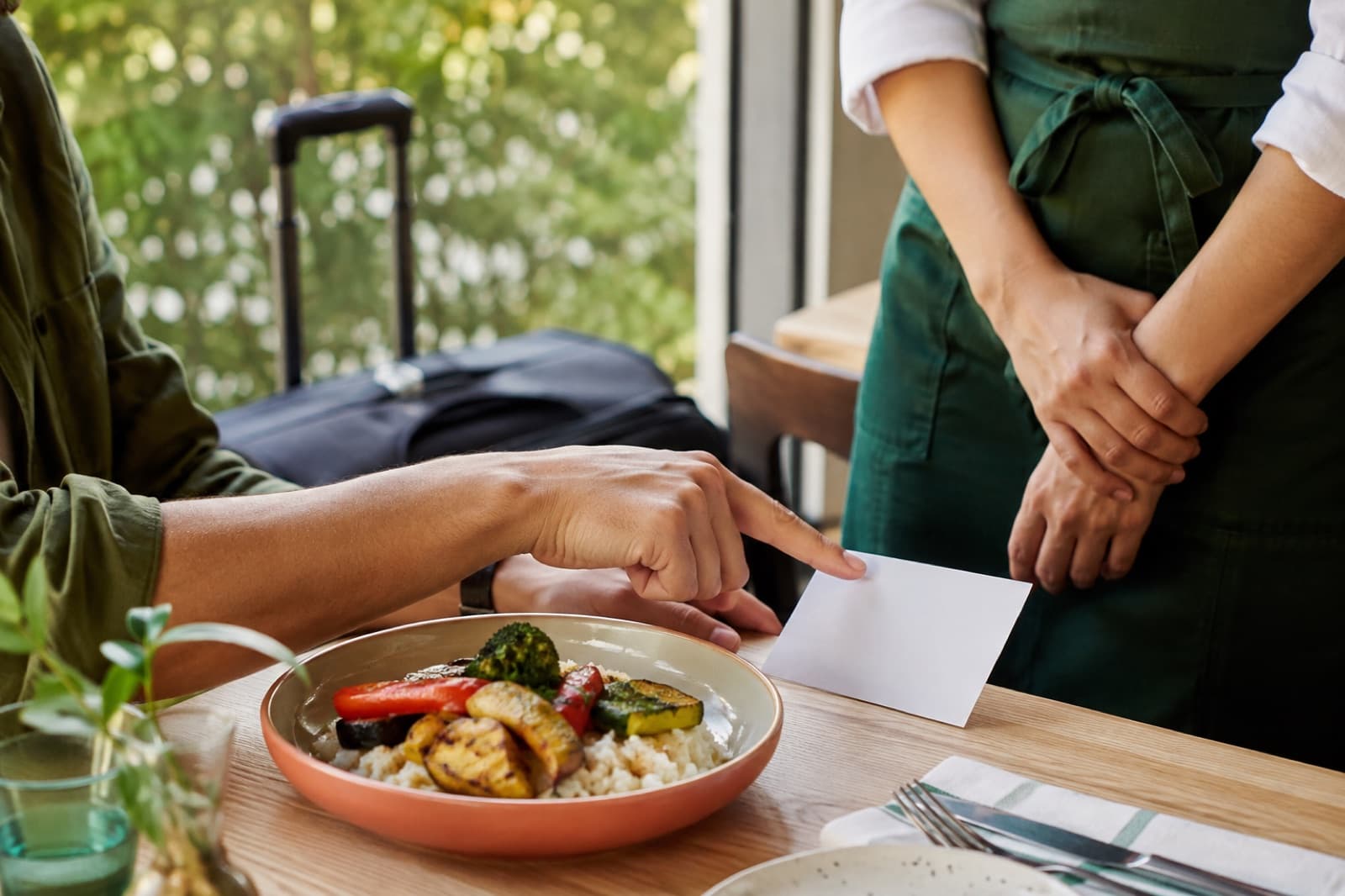
Tip: Create a restaurant allergy card to hand to your server. This card clearly outlines the wheat allergy and specific ingredients to avoid.
Communicating Clearly at the Restaurant
Once you arrive at the restaurant, clear and consistent communication with your server is paramount. Don't assume anything; always double-check.
* Reiterate the Allergy: Remind your server about the wheat allergy when you order. Be specific about the ingredients that need to be avoided.
* Ask Detailed Questions: Don't hesitate to ask detailed questions about how the food is prepared. For example, is the sauce thickened with flour? Are the fries cooked in a shared fryer?
* Confirm Allergen Information: Before your meal arrives, confirm with the server that the kitchen has taken the necessary precautions to prevent cross-contamination.
* Be Prepared to Modify: Be ready to modify your order to ensure it's safe. Simple substitutions, like ordering a burger without the bun, can make a big difference.
Warning: Never be afraid to send a dish back if you are unsure about its safety. It's always better to be cautious.
Navigating Tricky Menu Items
Wheat can hide in unexpected places, making it crucial to be aware of common culprits. Here are some menu items that often contain wheat:
* Sauces and Gravies: Many sauces and gravies are thickened with wheat flour. Always inquire about the ingredients.
* Soups: Some soups contain noodles or are thickened with flour.
* Fried Foods: Breading on fried foods almost always contains wheat. Also, shared fryers are a major source of cross-contamination. Even seemingly safe snacks like Is Doritos safe for wheat allergies? can be risky if they are cross-contaminated.
* Salad Dressings: Some salad dressings contain wheat-based thickeners or soy sauce, which can contain wheat.
* Soy Sauce: Traditional soy sauce contains wheat. Look for tamari, a wheat-free alternative.
* Processed Meats: Some processed meats, like sausages and deli meats, contain wheat as a filler.
* Desserts: Most desserts contain wheat. Look for naturally wheat-free options like fruit salad or sorbet. It's important to note that Is Oreos safe for wheat allergies? is a common question, and the answer depends on the specific variety and ingredients.
Restaurant Safety Checklist
This checklist can help you stay organized and ensure you cover all the important steps when dining out with a wheat allergy.
| Step | Action |
|---|---|
| Before You Go | |
| Research Restaurant | Check the menu online and look for allergen information. |
| Call Ahead | Discuss allergy concerns with the manager or chef. |
| Prepare Allergy Card | Create a card outlining the wheat allergy and ingredients to avoid. |
| At the Restaurant | |
| Inform Your Server | Clearly communicate the wheat allergy when ordering. |
| Ask Detailed Questions | Inquire about ingredients, preparation methods, and cross-contamination. |
| Confirm Allergen Info | Verify that the kitchen has taken necessary precautions before your meal arrives. |
| During the Meal | |
| Inspect Your Food | Visually inspect your food for any potential allergens. |
| Be Prepared to Send Back | Don't hesitate to send a dish back if you're unsure about its safety. |
Safe Food Choices and Alternatives
While navigating menus, focus on naturally wheat-free options. Many cuisines offer dishes that are inherently safe or easily adaptable.
* Naturally Wheat-Free Options: Grilled meats, steamed vegetables, salads (with safe dressing), and rice-based dishes are often good choices.
* Gluten-Free Menus: Many restaurants now offer dedicated gluten-free menus, which can be helpful. However, always double-check the ingredients and preparation methods to ensure they are also wheat-free. Remember that gluten-free doesn't always mean wheat-free, though it usually does.
* Consider Ethnic Cuisines: Some ethnic cuisines, such as Thai, Vietnamese, and Indian, often use rice noodles, rice paper, and other wheat-free ingredients. However, it's still important to inquire about sauces and potential cross-contamination. Be careful of products like Is Lays Chips safe for wheat allergies? as they can sometimes contain unexpected ingredients.
Tip: When in doubt, choose simple dishes with minimal ingredients. This reduces the risk of hidden wheat.
Empowering Your Child
If your child has a wheat allergy, it's essential to empower them to advocate for their own safety.
* Teach Them About Their Allergy: Explain what wheat is and why they need to avoid it.
* Role-Play Scenarios: Practice different scenarios, such as ordering at a restaurant or declining food offered by a friend.
* Encourage Them to Ask Questions: Encourage your child to ask questions about food ingredients and preparation.
* Provide Safe Alternatives: Always have safe snacks and meals available so your child doesn't feel deprived.
You can find tons of options on our site. Browse all Wheat-free recipes and get cooking!
Ready to Simplify Allergy-Safe Cooking?
Safe Plated plans your meals, checks every ingredient, and makes sure nothing slips through. Every recipe is AI-generated with smart substitutions and independently audited.
Allergy Disclaimer — Safe Plated Pte. Ltd.
This content is AI-generated by Safe Plated for informational purposes only. AI can make errors, omit critical information, or produce inaccurate statements. Always verify allergen safety with physical product labels, medical professionals, and authoritative sources. This is not medical advice.
Put this advice against the label in front of you
Paste the ingredient text and choose what you avoid. Safe Plated highlights the exact recognised terms for a transparent second pass—free, private, and without an account.
Get one practical idea each week
Allergy-aware planning tips and free tools. No inflated promises, no spam.
One practical tip each week. Unsubscribe anytime. See our privacy policy.