
Dining Out with a Fish Allergy: Restaurant Safety Tips
Dining out with a fish allergy? Stay safe! Get essential restaurant tips to avoid cross-contamination and enjoy allergy-friendly meals.
Dining Out with a Fish Allergy: Restaurant Safety Tips
Dining out with a fish allergy can feel daunting, but with careful planning and communication, you can navigate restaurant experiences safely and enjoyably. As parents of children with fish allergies ourselves, we at Safe Plated understand the anxieties involved. This guide provides practical tips to help you confidently manage dining out while keeping your loved ones safe.
Pre-Dining Preparations: Research and Communication
Before you even step foot in a restaurant, do your homework. This crucial step minimizes potential risks and ensures a more relaxed dining experience.
* Research Restaurants: Look for restaurants with allergy-friendly menus or those known for accommodating dietary restrictions. Online reviews and allergy-focused communities can provide valuable insights.
* Check the Menu Online: Scrutinize the menu for potential fish ingredients or cross-contamination risks. Be aware of dishes that commonly contain fish, such as seafood soups, sauces, or even seemingly unrelated items like certain stir-fries where fish sauce is used.
* Call Ahead: Contact the restaurant directly to discuss your allergy concerns. Speak to a manager or chef, if possible, and inquire about their allergy protocols. Ask about ingredient sourcing and cross-contamination prevention measures.
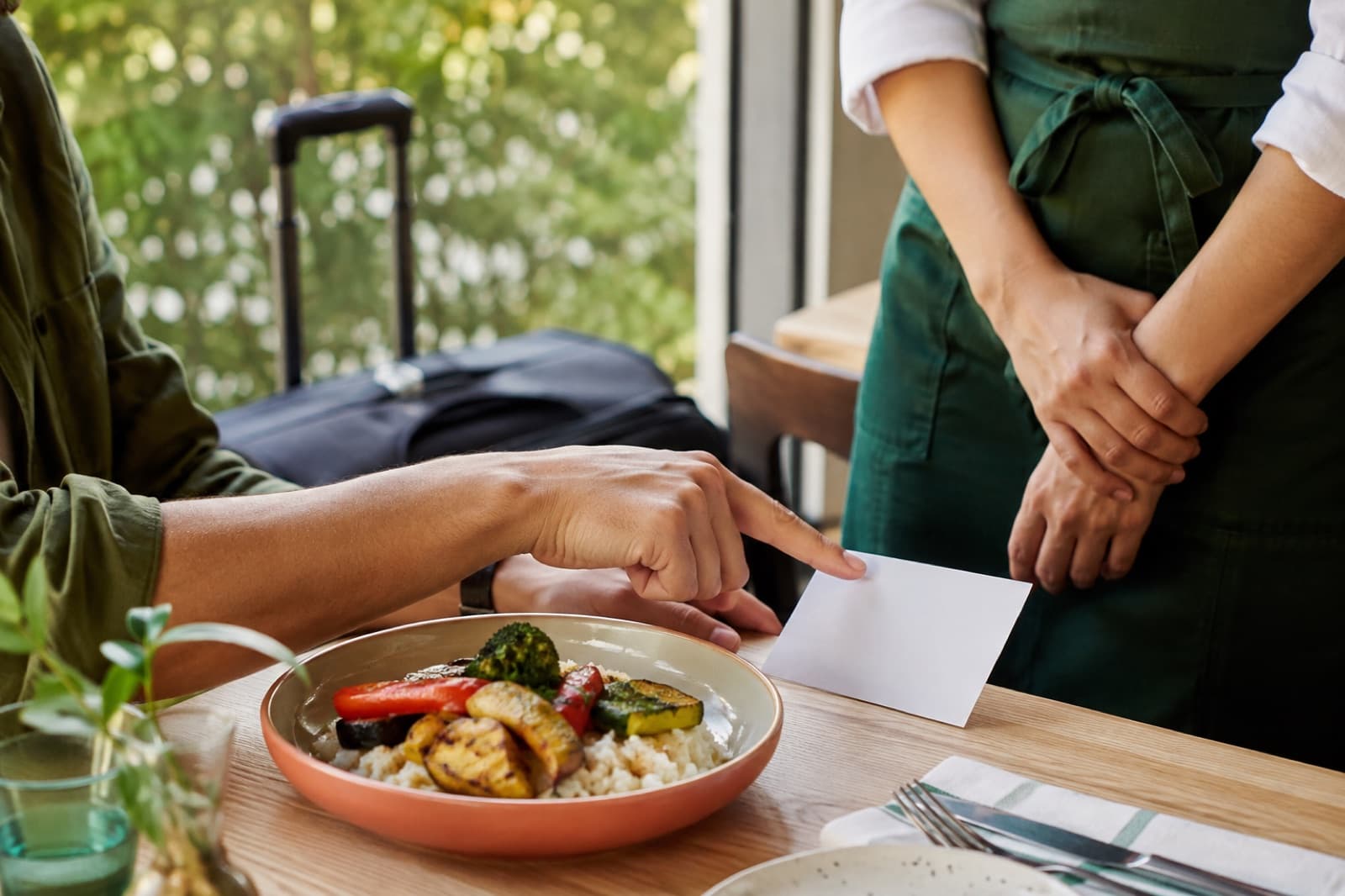
* Prepare an Allergy Card: A concise allergy card stating your specific allergy and any necessary precautions can be incredibly helpful for waitstaff and kitchen staff. You can find templates online or create your own.
* Consider Cuisine Types: Some cuisines are inherently riskier than others. For example, seafood restaurants or those specializing in Asian cuisine may require extra vigilance due to the frequent use of fish and fish-derived ingredients. Be especially cautious of dishes like Laksa or Prima Taste Laksa as these often contain hidden fish ingredients. Even seemingly safe options like Nasi Lemak might pose a risk.
Tip: Keep a list of "safe" restaurants that you've successfully dined at in the past.
At the Restaurant: Clear Communication is Key
Effective communication with restaurant staff is paramount. Don't assume anything; always double-check ingredients and preparation methods.
* Inform Your Server Immediately: Upon arrival, inform your server about the fish allergy. Emphasize the severity of the allergy and the need to avoid cross-contamination.
* Review the Menu with Your Server: Go through the menu together, pointing out potential concerns and asking specific questions about ingredients and preparation.
* Ask About Ingredient Sourcing: Inquire about the origin of ingredients, particularly sauces and broths. Fish sauce is a common hidden ingredient in many cuisines.
* Request Dedicated Utensils and Preparation Areas: Ask if the kitchen can use dedicated utensils and preparation areas to minimize the risk of cross-contamination.
* Confirm Before Ordering: Before placing your order, reiterate your allergy concerns and confirm that the chosen dishes are safe.
* Be Wary of Fried Foods: Deep-fried foods are often cooked in shared fryers, posing a significant cross-contamination risk. Avoid anything fried unless you can confirm it's cooked in a dedicated fryer. Even something like Old Chang Kee Sardine Puff can be a hidden danger.
* Educate Children: If your child is old enough, teach them to advocate for themselves and ask questions about their food.
Warning: Never hesitate to ask questions, even if you feel like you're being a nuisance. Your child's safety is the top priority.
Understanding Cross-Contamination Risks
Cross-contamination is a major concern for individuals with fish allergies. It occurs when a safe food comes into contact with a food containing fish, even in trace amounts.
* Shared Cooking Surfaces: Grills, cutting boards, and countertops can easily become contaminated with fish residue.
* Shared Utensils: Using the same utensils for fish and other foods can transfer allergens.
* Fryers: As mentioned earlier, shared fryers are a significant risk.
* Steamers: Steamers used for fish can also contaminate other foods cooked in the same steamer.
* Hand Contact: Kitchen staff handling fish and then touching other foods can transfer allergens.
* Airborne Particles: In rare cases, airborne fish particles from cooking can trigger reactions in highly sensitive individuals.
Tip: Request that your meal be prepared in a separate area of the kitchen and with clean utensils.
What to Do If a Reaction Occurs
Despite your best efforts, allergic reactions can still happen. Being prepared can make a critical difference.
* Carry an Epinephrine Auto-Injector: Always carry an epinephrine auto-injector (EpiPen) and know how to use it. Ensure it is readily accessible.
* Train Others: Educate family members, friends, and caregivers on how to administer epinephrine.
* Recognize Symptoms: Be familiar with the signs and symptoms of an allergic reaction, which can range from mild (hives, itching) to severe (difficulty breathing, wheezing, loss of consciousness).
* Act Quickly: If a reaction occurs, administer epinephrine immediately.
* Call Emergency Services: After administering epinephrine, call emergency services (911 in the US) and inform them of the allergic reaction.
* Inform Restaurant Staff: Notify the restaurant staff about the reaction so they can assist and provide any necessary information to emergency responders.
Allergen Awareness Checklist
Use this checklist to help you prepare for dining out with a fish allergy:
| Task | Completed | Notes |
|---|---|---|
| Research restaurant allergy policies | Yes / No | Check online reviews, allergy communities. |
| Review the menu online | Yes / No | Look for potential fish ingredients (fish sauce, etc.). |
| Call the restaurant ahead of time | Yes / No | Discuss allergy concerns with manager or chef. |
| Prepare an allergy card | Yes / No | Include specific allergy details and precautions. |
| Inform server upon arrival | Yes / No | Reiterate allergy and cross-contamination concerns. |
| Ask about ingredient sourcing | Yes / No | Especially for sauces and broths. |
| Request dedicated utensils/prep areas | Yes / No | To minimize cross-contamination. |
| Confirm order before eating | Yes / No | Double-check that the meal is safe. |
| Carry epinephrine auto-injector | Yes / No | Ensure it's readily accessible and not expired. |
| Know the symptoms of a reaction | Yes / No | Be prepared to act quickly. |
Tip: Don't be afraid to ask for modifications to dishes to make them safer. Many restaurants are willing to accommodate allergy requests.
Remember, managing a fish allergy requires constant vigilance. While dining out can present challenges, careful planning and open communication can help you and your family enjoy safe and pleasurable meals. Explore our website for more resources, including Browse all Fish-free recipes to help you plan meals at home! Also, be aware that seemingly safe foods like Sushi, Fish Ball Noodles, Onigiri, and Krupuk can contain fish ingredients.
Ready to Simplify Allergy-Safe Cooking?
Safe Plated plans your meals, checks every ingredient, and makes sure nothing slips through. Every recipe is AI-generated with smart substitutions and independently audited.
Allergy Disclaimer — Safe Plated Pte. Ltd.
This content is AI-generated by Safe Plated for informational purposes only. AI can make errors, omit critical information, or produce inaccurate statements. Always verify allergen safety with physical product labels, medical professionals, and authoritative sources. This is not medical advice.
Put this advice against the label in front of you
Paste the ingredient text and choose what you avoid. Safe Plated highlights the exact recognised terms for a transparent second pass—free, private, and without an account.
Get one practical idea each week
Allergy-aware planning tips and free tools. No inflated promises, no spam.
One practical tip each week. Unsubscribe anytime. See our privacy policy.