Allergy-Safe Baby Food: Starting Solids with Confidence
Allergy-safe baby food starts here! Introduce solids confidently. Recipes & tips. Learn to avoid introducing PEANUTS safely.
Allergy-Safe Baby Food: Starting Solids with Confidence
Starting solids is an exciting milestone, but if your little one has food allergies (or a family history of them), it can also feel daunting. Don't worry, you're not alone! We're here to guide you through introducing solids safely and confidently, ensuring your baby enjoys delicious and nutritious foods without triggering allergies.
When to Start Solids: Listen to Your Baby
The American Academy of Pediatrics recommends starting solids around 6 months of age. However, every baby develops at their own pace. Look for these signs of readiness:
* Can sit upright with good head control.
* Shows interest in food (watches you eat, reaches for your plate).
* Opens their mouth when a spoon approaches.
* Has lost the tongue-thrust reflex (doesn't automatically push food out of their mouth).
Tip: Talk to your pediatrician before starting solids, especially if your baby has known allergies or a family history of food allergies.
The Single-Ingredient Approach: Your Allergy-Testing Strategy
The key to introducing solids safely when allergies are a concern is the single-ingredient approach. This means introducing one new food at a time, allowing you to monitor for any adverse reactions.
Here's the process:
- 1Choose a single-ingredient food: Start with simple, easily digestible options like avocado, sweet potato, banana, or pureed carrots.
- 2Offer a small amount: Begin with a teaspoon or two of the new food.
- 3Wait 3-5 days: Observe your baby for any signs of an allergic reaction, such as rash, hives, vomiting, diarrhea, or difficulty breathing.
- 4If no reaction occurs: Gradually increase the amount of the food over the next few days. If there's no reaction, you can consider the food "safe" for your baby.
- 5Document everything: Keep a food journal to track what you introduce and any reactions. This will be invaluable for future reference.
Warning: Always have age-appropriate Benadryl on hand and know how to use it. Discuss emergency protocols with your pediatrician.
Top Allergen Introduction: Early and Often (With Caution)
For years, parents were advised to avoid introducing common allergens early. Current recommendations, however, suggest introducing these allergens early and often (between 4-6 months) under the guidance of your pediatrician. This may help reduce the risk of developing allergies. However, this should only be done if your pediatrician recommends it and knows your child's history.
The top allergens include:
* Cow's milk
* Eggs
* Peanuts
* Tree nuts
* Soy
* Wheat
* Fish
* Shellfish
* Sesame
Introducing these allergens one at a time, following the single-ingredient approach, is crucial. For example, if you're considering introducing peanuts, you might start with a small amount of peanut butter thinned with breast milk or formula. Always supervise your baby closely during and after introducing a potential allergen.
What about common snacks? It's important to be aware of the ingredients in processed foods. For example, if your child has a peanut allergy, you'll need to carefully review labels to ensure that products like Is Nutella safe for peanut allergies? are safe. The same goes for tree nut allergies: Is Nutella safe for tree-nut allergies?. And if dairy is a concern, you'll need to check for dairy in unexpected places; Is Nutella safe for dairy allergies? and Is Cheerios safe for dairy allergies? are good examples of products to double-check. Also, many parents wonder about soy content, so it's important to be aware of products that may contain soy like Is Nutella safe for soy allergies? and Is M&Ms safe for soy allergies?.
Allergy-Safe First Foods: Delicious and Nutritious Options
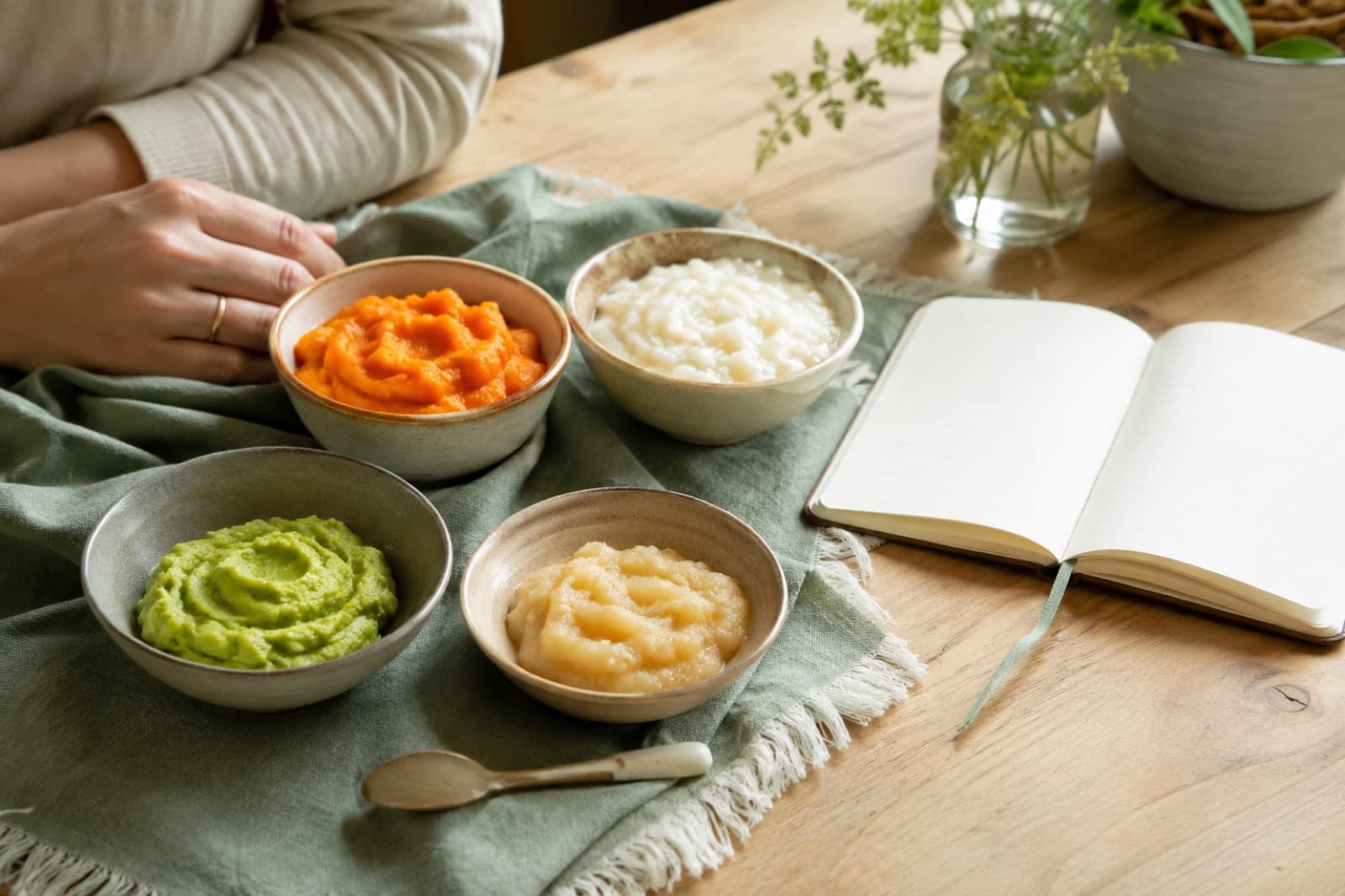
Here are some great allergy-safe first food options to get you started. Remember to always check labels for potential cross-contamination, even with seemingly simple foods.
| Food | Preparation | Notes |
|---|---|---|
| Avocado | Pureed or mashed | Rich in healthy fats and easy to digest. |
| Sweet Potato | Cooked and pureed | Naturally sweet and packed with vitamins. |
| Banana | Mashed | Soft, easy to eat, and a good source of potassium. |
| Butternut Squash | Cooked and pureed | Mild flavor and rich in vitamins A and C. |
| Carrots | Cooked and pureed | Sweet and a good source of beta-carotene. |
| Pears | Cooked and pureed | Gentle on the digestive system and a good source of fiber. |
| Apples | Cooked and pureed | Another good source of fiber and vitamins. |
| Oatmeal | Cooked with water or breast milk/formula | Choose plain, unflavored oatmeal and ensure it's gluten-free if necessary. |
| Iron-Fortified Rice Cereal | Mixed with water or breast milk/formula | Often recommended as a first food, but consider other options if you're concerned about arsenic levels. Opt for other single-grain cereals like oat or barley if tolerated. |
Reading Labels: Your Allergy Detective Work
Becoming a pro at reading food labels is essential when managing food allergies. Here's what to look for:
* Ingredient List: Carefully review the entire ingredient list.
* "Contains" Statement: U.S. law requires manufacturers to list the top allergens in a "Contains" statement if they are present in the product.
* "May Contain" Statement: Be cautious of "may contain" or "made in a facility that also processes" statements. These indicate a risk of cross-contamination.
* Hidden Allergens: Be aware of hidden sources of allergens. For example, casein is a milk protein, and whey is another. Lecithin can be derived from soy.
* Cross-Contamination: Always wash your hands, utensils, and surfaces thoroughly after preparing food. Use separate cutting boards and cookware for allergen-free meals.
Even seemingly "safe" products can be problematic. Many parents are surprised to learn that products like Are Oreos safe for wheat allergies?, Are Oreos safe for dairy allergies?, and Are Oreos safe for egg allergies? require careful label checks depending on your child's specific allergies. Similarly, Is Snickers safe for dairy allergies? is a common question for parents of dairy-allergic children.
Beyond Purees: Expanding Your Baby's Diet
As your baby gets older and more comfortable with solids, you can gradually introduce a wider variety of textures and flavors. Continue to follow the single-ingredient approach when introducing new foods.
Consider these options:
* Mashed Foods: Move from purees to mashed fruits, vegetables, and cooked meats.
* Soft Finger Foods: Offer soft, easy-to-grasp finger foods like steamed broccoli florets, cooked carrot sticks, or slices of avocado.
* Combination Foods: Once your baby has tolerated several single-ingredient foods, you can start combining them into simple meals. Browse allergen-free recipes for inspiration and ideas.
Tip: Always supervise your baby while they are eating, especially when introducing new textures and finger foods.
Ready to Simplify Allergy-Safe Cooking?
Safe Plated plans your meals, checks every ingredient, and makes sure nothing slips through. Every recipe is AI-generated with smart substitutions and independently audited.
Allergy Disclaimer — Safe Plated Pte. Ltd.
This content is AI-generated by Safe Plated for informational purposes only. AI can make errors, omit critical information, or produce inaccurate statements. Always verify allergen safety with physical product labels, medical professionals, and authoritative sources. This is not medical advice.
Put this advice against the label in front of you
Paste the ingredient text and choose what you avoid. Safe Plated highlights the exact recognised terms for a transparent second pass—free, private, and without an account.
Get one practical idea each week
Allergy-aware planning tips and free tools. No inflated promises, no spam.
One practical tip each week. Unsubscribe anytime. See our privacy policy.