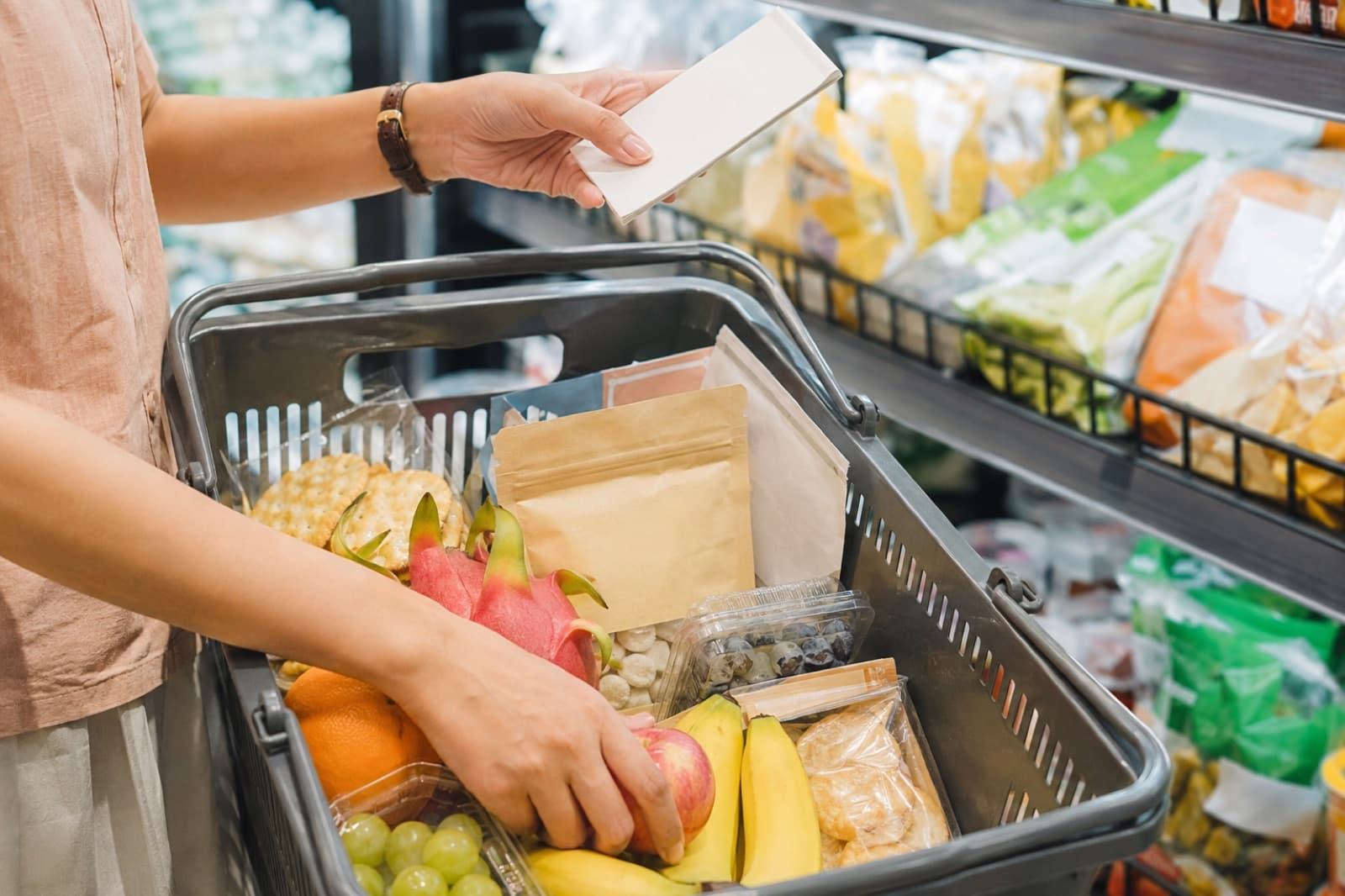
Shopping for snacks without egg? Use these ideas to narrow your search, then check the actual food and packaging before buying or serving it. This is not a list of approved products. Recipes, flavours, manufacturing practices and products sold in different countries can differ.
Start with the package in front of you
Read the ingredient list and allergen information every time, including products you have bought before. Check every allergen your household avoids, not only egg. Read precautionary statements too; their absence is not a guarantee against cross-contact. Follow the advice you have agreed with your allergy clinician. If the product information is unclear, ask the manufacturer before choosing it.
Ten snack ideas to compare
- •Whole fruit: choose fruit you can wash and prepare yourself; check any coating, dip or added topping separately.
- •Vegetable sticks: prepare them at home or check the full contents of a packaged snack pot, including its dip.
- •Plain popcorn: compare the specific pack, especially seasonings, coatings and any added ingredients.
- •Rice cakes: check the exact flavour and topping rather than relying on the plain variety's label.
- •Potato or corn chips: compare the full ingredient list and allergen information for the pack you intend to buy.
- •Crackers or pretzels: look for a suitable specific product; the category name alone does not tell you whether egg is used.
- •Oat or rice cereal: check the exact recipe and any clusters, filling or flavouring before using it as a snack.
- •Yogurt or a plant-based alternative: check added ingredients and your household's other allergens, including milk, soy and nuts where relevant.
- •Hummus with vegetables: check the dip separately, including sesame and any other ingredients your household avoids.
- •Cookies or biscuits made without egg: compare the actual ingredient list and allergen information; do not assume that every product from the same brand has the same recipe.
A quick routine for your next shop
- 1Pick the exact product, size and flavour you want to buy.
- 2Read its current ingredients and allergen information against your household's needs.
- 3Put unclear products aside until you have an answer from the manufacturer.
- 4Recheck the packaging when you prepare or serve the food, including anything added alongside it.
For a second reading, check a packaged ingredient list. Safe Plated highlights recognised terms in the text you provide. It cannot verify the product, missing text or preparation conditions, and is not a product-safety approval.
Prefer to make a snack?
Explore egg-free snack recipe ideas, then review each full ingredient list and the labels of the ingredients you use. Other allergens and preparation conditions still matter.
Keep the free seven-rule label checklist handy for your next shop. The optional form below explains the weekly tips and email confirmation before you subscribe.
Label-reading references
FARE: How to read a food label explains checking packaged-food labels each time and the limits of precautionary statements. FDA: Food allergies describes allergen information and cross-contact in the United States. Labelling rules vary by country; these references do not certify any of the products above.